Nana Banana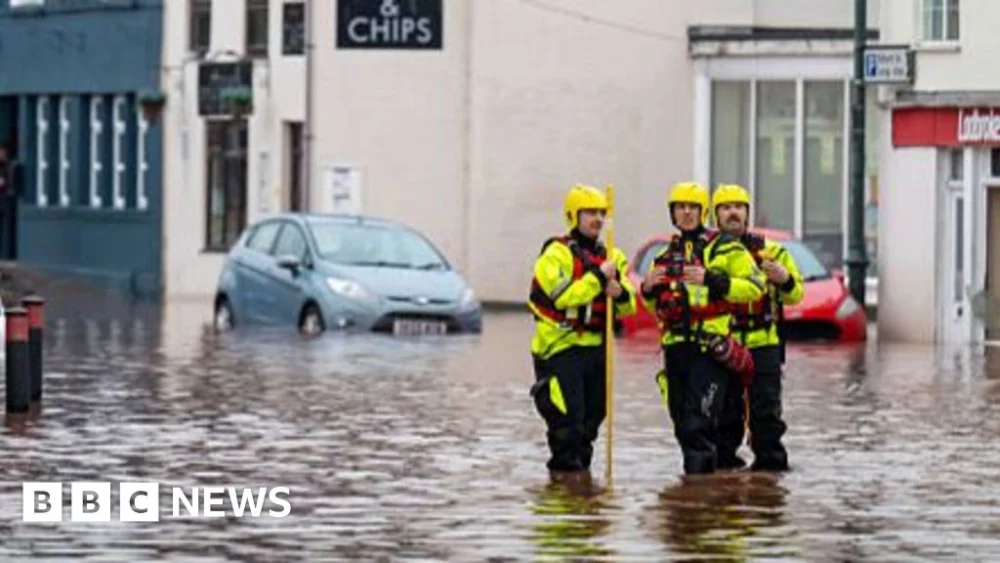
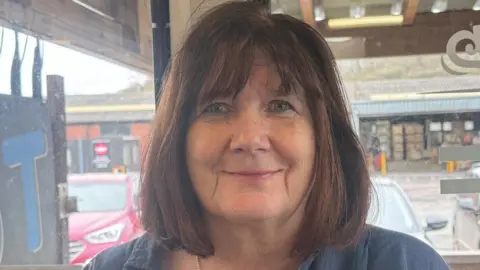
Among those still grappling with the harrowing aftermath is Gillian Haycock, the dedicated manager of Chippenham Court, a retirement living complex that bore the brunt of the storm’s ferocity. The night of the flood is etched into her memory, particularly the desperate rescue of a 102-year-old resident, still clad in their nightdress, who had to be carefully extricated from their waterlogged home by a raft boat. The image of such vulnerability amidst the chaos remains a stark reminder of the human cost of the disaster. Almost four months later, the scars on Chippenham Court are still raw. Many of its elderly residents remain displaced, "still homeless" as Gillian puts it, scattered across temporary accommodations. The future for these vulnerable individuals, and indeed for the complex itself, hangs precariously in the balance, with doubts casting a long shadow over whether they will ever be able to return to the place they once called home.
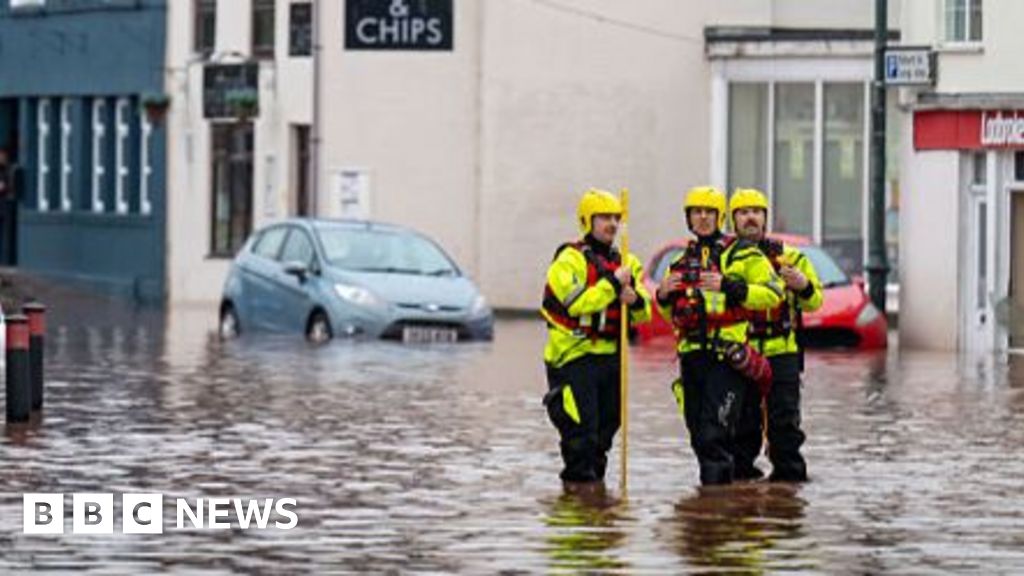
Historically, Monmouth’s residents and authorities had always kept a watchful eye on the mighty River Wye, which gracefully carves its path along the town’s eastern flank. It was the Wye that usually presented the perceived flood risk. However, Storm Claudia defied expectations, turning the spotlight onto its lesser-known tributary, the River Monnow. This unexpected surge from the Monnow proved to be the true culprit behind November’s catastrophic inundation, catching the community off guard despite existing river flood defences. The sheer scale of the destruction left the local community "shell-shocked," a collective disbelief at how quickly and thoroughly their lives had been upended.
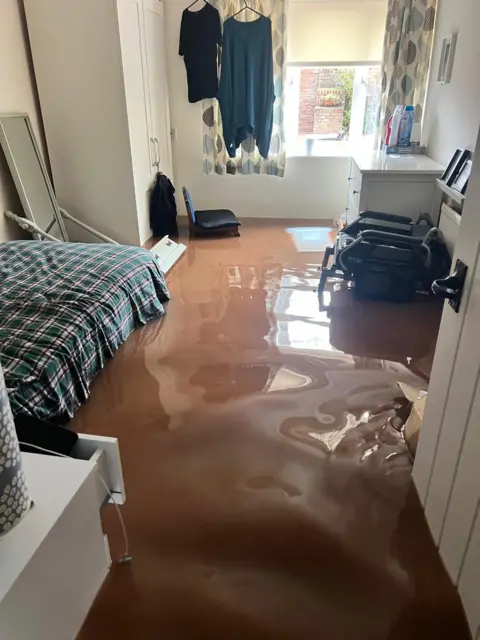
Gillian Haycock recounted the harrowing hours as "carnage" as she valiantly struggled to ensure the safety of her elderly residents. Her voice still carries the tremor of that night as she describes the surreal power of the water. "I would never believe that water could do that much damage, that it could take a kitchen off its wall," she stated, her words painting a vivid picture of the relentless force. "The severity of that water was so strong that day, and it kept flowing." The floodwaters, laden with debris and sediment, tore through homes, ripping apart fixtures and fittings with terrifying ease. Beyond the structural damage, the emotional toll on the residents of Chippenham Court has been immense. Many, including Gillian’s own 87-year-old father-in-law, who is battling terminal cancer, remain displaced, facing an uncertain future compounded by their already fragile health. "Even now, 11-12 weeks later, they’re all in not the best place," Gillian lamented. "Mentally, they’re distraught and I don’t know whether some will even come back." The cost of repairing Chippenham Court is staggering, estimated to exceed £750,000. This financial burden casts a dark cloud over the complex, with Gillian expressing a "pretty scary" fear that she may be forced to close Chippenham Court for good if she cannot afford to renew the building’s insurance policy at the end of March. The prospect of such a closure not only signifies the loss of a vital community resource but also the permanent displacement of its vulnerable residents.
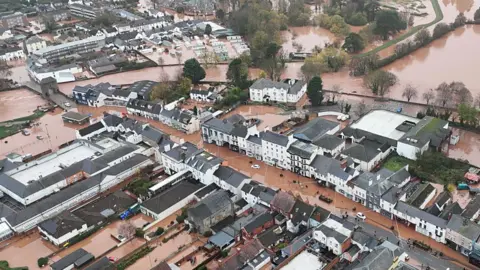
The flood’s destructive path also swept through the dreams of local entrepreneurs. Andrea Shull and her husband had poured their hearts and savings into opening their new restaurant, Bar 125, only eight days before the storm hit. They were still inside the building in the early hours of that Saturday morning when the street outside their establishment transformed into a "pouring river." With a mix of adrenaline and desperation, they sprang into action. "Because there was a lot of us still there, we started to lift furniture, fridges up into the kitchen area, thinking about the electricals," Shull recounted, describing their futile efforts. "Then before we knew it, it just all came through like a river and we were fighting a losing battle." The water surged in, carrying with it a sense of overwhelming power, engulfing their newly furnished space.
In a cruel twist of fate, Andrea admitted, "Very naively," she had failed to meticulously read the fine print of her insurance policy. This oversight meant that, in the wake of the disaster, she would receive absolutely nothing for the extensive losses incurred or any assistance towards the arduous task of re-opening her business. The financial blow was devastating. Shull estimated her losses to be in the region of £250,000, a figure that encompasses lost wages for staff, mountains of destroyed food stock, and a complete overhaul of ruined equipment. To keep her dream alive, Andrea was forced to take drastic measures, emptying her personal savings, cashing in her pension, and maxing out multiple credit cards to cover the immediate costs of recovery and repair. Despite the monumental setback, the indomitable spirit of the Monmouth community shone through. Neighbours, friends, and even strangers rallied around Bar 125, offering their time, skills, and resources. This outpouring of support allowed Andrea and her husband to perform a remarkable feat, getting Bar 125 back on its feet and re-opened just 10 days after the flood. Yet, the emotional scars run deep. "You kind of like feel that you’re in somebody else’s nightmare, that it’s not really happening to you," Shull confessed, articulating the profound sense of unreality that follows such a traumatic event.
Jeremy Parr, Head of Flood and Incident Risk Management at Natural Resources Wales, provided a stark technical perspective on the Monnow’s extraordinary surge. He confirmed that the river’s levels had indeed reached 18 times their normal capacity, a volume of water so immense it carried the equivalent weight of 371 average-sized cars. The event, he admitted, was "unexpected because it hasn’t happened for such a long time" in Monmouth. Parr’s assessment highlighted a critical lesson: "I think what it shows is that a lot of places are, like Monmouth, next to rivers with defences – those defences aren’t a guarantee that there will never be any flooding." This statement underscores the evolving nature of flood risk, particularly in the face of climate change and more extreme weather patterns. The psychological impact on affected communities is also a significant concern for NRW. "I’ve spoken to people who are scared every time it rains because of their memory of what happened last time," Parr revealed, emphasizing the lasting trauma experienced by residents. The broader picture for Wales is equally concerning, with one in seven homes currently at risk of flooding – a figure that Natural Resources Wales grimly estimates will increase by 28% over the next century, signalling a future where such "unexpected" events may become tragically more common.
In response to the widespread devastation and the critical lessons learned, Monmouthshire County Council has launched a comprehensive investigation into the causes and full impact of the flood. This inquiry aims to understand precisely what factors contributed to the Monnow’s unprecedented surge, assess the effectiveness of existing defences, and identify strategies for future mitigation and preparedness. A full report is anticipated this summer, with residents eagerly awaiting its findings and recommendations.
However, for residents like Andrea Shull, the damage has already been done, and the recovery process is far from over. Speaking earlier this month, she painted a picture of ongoing struggle for local businesses. "Yesterday, we didn’t even take enough money to cover our staff wages," she shared, highlighting the lingering economic impact. The reasons are multifaceted: "there’s still shops that are not open, parking charges are back in place, and it’s what happened in November, [everyone thinks] let’s move on." This sentiment captures the frustrating reality that while some may believe the crisis has passed, for those directly affected, the daily battle for survival continues. The psychological burden also persists, a constant, nagging anxiety. "You can imagine every time it rains, you just turn that key in the door and just hope that nothing’s gone in, but it is one of those uncontrollable things." The ‘carnage’ of Monmouth floods serves as a stark, enduring reminder of nature’s unpredictable power and the profound, long-lasting impact it can have on a community, leaving physical scars on the landscape and emotional wounds in the hearts of its people.


 George Anjay
 Ramos Leo
 Roy Suryo