Nana Banana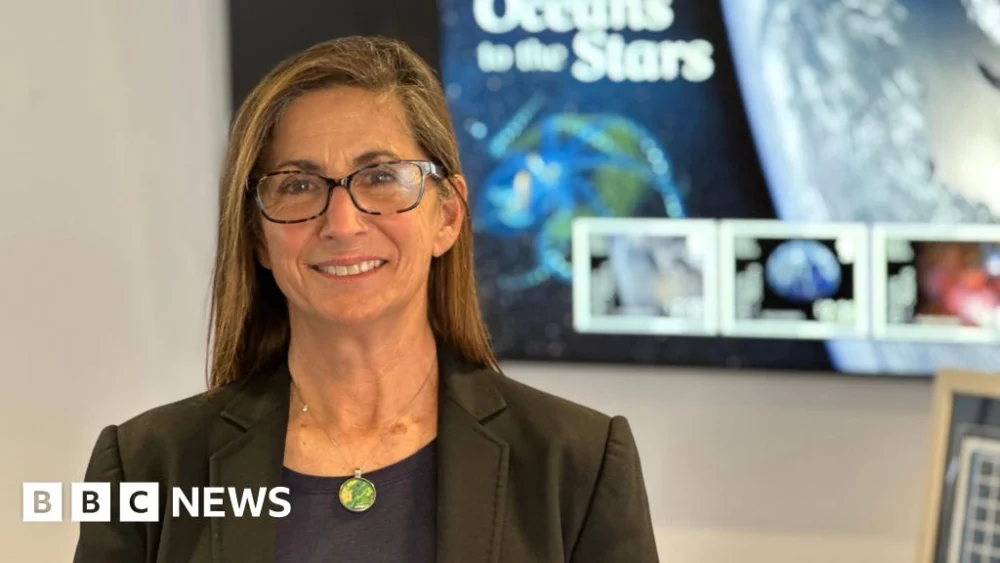
Retired NASA astronaut Nicole Stott, a veteran of two space missions and 104 days orbiting Earth, has profoundly articulated a philosophy born from her unique perspective: that all inhabitants of our planet are inherently crewmates, bound by a shared responsibility to protect their fragile home. Her extraordinary journey, which saw her perform a spacewalk, become the first person to speak the Manx language in space, and even paint a watercolour masterpiece while floating in microgravity, has instilled in her a deep sense of global stewardship.
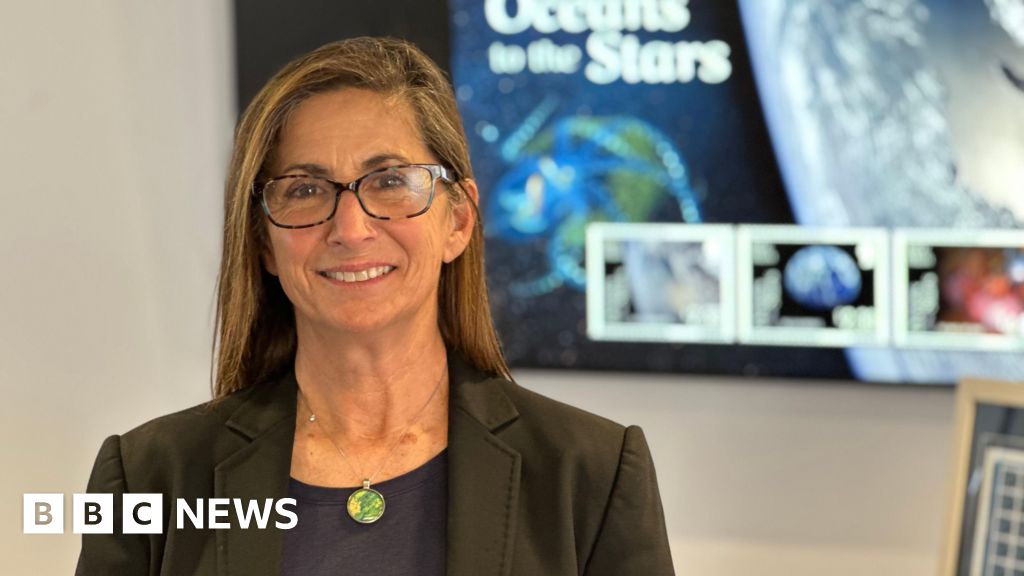
Stott’s career at NASA was marked by remarkable achievements and a commitment to pushing the boundaries of human exploration. Her first mission, STS-128 in 2009, saw her launch aboard Space Shuttle Discovery to the International Space Station (ISS), where she served as a flight engineer for Expeditions 20 and 21. During this time, she participated in a spacewalk, demonstrating the critical human element in maintaining and expanding our outpost in orbit. Two years later, she returned to space on STS-133, the final flight of Space Shuttle Discovery, further solidifying her place in space history. Beyond the vacuum of space, Stott also prepared for the challenges of long-duration missions by spending 18 days as an aquanaut, living in an undersea habitat as part of NASA’s Extreme Environment Mission Operations (NEEMO) program. These immersive experiences, both above and below the Earth’s surface, provided her with an unparalleled understanding of extreme environments and the crucial need for teamwork and resource management in isolated settings.
This duality of experience – living in the ultimate high ground of space and the isolating depths of the ocean – profoundly reshaped Stott’s perception of life on Earth. She notes that while she always held an appreciation for our planet, it was the stark reality of seeing Earth from orbit that solidified her understanding. "I don’t know that on a daily basis I was thinking about the fact that I live on a planet in space," Stott reflected, "and when I got to space, looking out the window, there’s no denying that, right? You’re like, holy moly, we live on a planet in space." This phenomenon, often described as the "Overview Effect" by other astronauts, is a cognitive shift in awareness reported by some space travelers, characterized by a sense of awe, a profound understanding of the interconnectedness of all life, and a renewed sense of responsibility for the planet’s well-being. For Stott, it was a "grounding" experience, forging an undeniable connection to our planetary home.
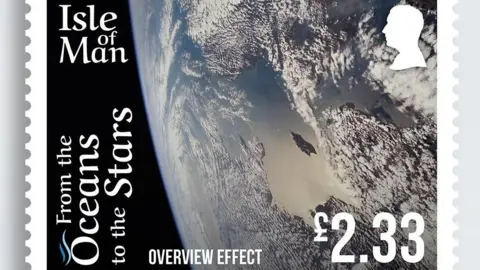
Stott’s unique perspective is now being shared with a wider audience through a special collection of stamps produced by the Isle of Man Post Office. Titled "From the Oceans to the Stars," this captivating series features images straddling both the cosmic and the abyssal, accompanied by a series of insightful essays penned by Stott herself. The collaboration stems from her personal connection to the island; American-born Stott is married to Chris Stott, a prominent Manxman and leader in the satellite industry, further cementing her "Manx-kind" association.
The "From the Oceans to the Stars" collection deliberately features images with a "very otherworldly feel," a choice Stott made to foster deeper connections. "I wanted to do that purposely because I think that helps us make connections to things we might not have raised our awareness to that are around us," she explained. The six stamps depict breathtaking views of Earth from space, including a striking image centered on the Isle of Man, alongside mesmerizing portrayals of deep-sea life such as a majestic humpback whale and an ethereal glass octopus. These visuals serve as powerful reminders of the incredible biodiversity and intricate ecosystems that exist both within and beyond our immediate sight, all part of the same interconnected planetary system.
Stott’s experiences working in the confined, life-sustaining environments of both a spacecraft and an undersea habitat underscored the absolute necessity of collaboration and mutual support. In space, survival depends on the flawless teamwork of a diverse crew, each member playing a vital role. Similarly, in the NEEMO habitat, a small team relies on one another for safety and success in an isolated, alien world. These parallels, she argues, are directly applicable to life on Earth. "I really feel like we need to remind ourselves of how important it is to be crewmates on our planetary spaceship too," she emphasized. "To take care of it, to understand our relationship with it, and yeah, to be crewmates not passengers." This powerful analogy serves as a call to action, urging humanity to adopt a collective mindset of responsibility and active participation in safeguarding our shared home, rather than passively consuming its resources.
Her groundbreaking act of speaking Manx in space, a language with a small but resilient community on the Isle of Man, was more than just a personal gesture. It symbolized the global diversity of human culture reaching out into the universe, a testament to the idea that even the smallest voices have a place in the grand tapestry of humanity’s cosmic endeavors. It also subtly reinforces the "Manx-kind" title, linking the island nation to the universal human experience of space exploration and environmental awareness. Furthermore, her act of painting a watercolour in space highlighted the unique intersection of art and science, demonstrating how creative expression can enrich the human experience even in the most extreme environments, and serve as a powerful medium for communicating complex scientific and environmental messages.
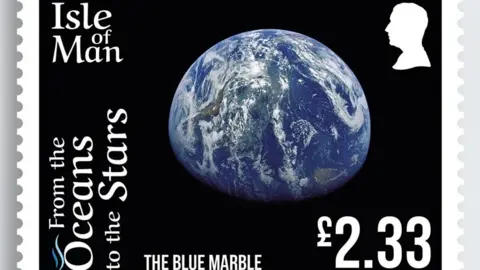
Ultimately, the collection is "really meant to get us thinking about our place on this ocean planet in space, and how everything is interconnected – from the deepest part of the ocean to the farthest reaches of our universe – it’s all connected in some way." Stott’s message transcends the extraordinary nature of her personal feats, aiming to inspire a universal sense of wonder and responsibility. She firmly believes that one doesn’t need to leave the planet to cultivate this appreciation. "What I like to think, though, is that you don’t need to leave the planet to appreciate it," she stated, using the Isle of Man as a poignant example. "We’re in this really beautiful place on the Isle of Man. Everywhere you look, in every direction, there’s something awesome and wonderful to take in."
The Isle of Man, with its dramatic coastline, rich biodiversity, and unique cultural heritage, serves as a microcosm of the planetary beauty Stott urges us to recognize and protect. Its vibrant marine life, picturesque landscapes, and a community deeply connected to its environment offer countless opportunities for individuals to connect with nature and appreciate the intricate balance of life. By fostering this local appreciation and understanding, Stott believes we can cultivate a broader, global consciousness. "I think if we open our hearts and our minds to that, it’ll ground us again, too, in this reality of living on a planet in space." Her journey from Earth to orbit and back, and her subsequent efforts to share her transformative insights, serve as a powerful reminder that while we may dream of the stars, our most crucial mission lies right here, among our fellow crewmates, on our shared blue planet.

 Roy Suryo
 George Anjay
 Ramos Leo
 atisusanti