Nana Banana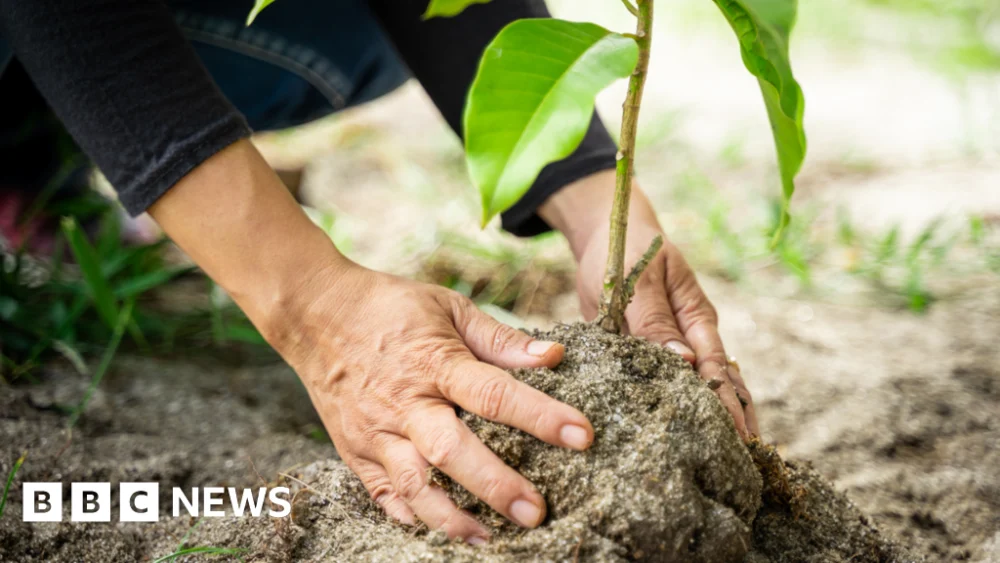
The upcoming application window for this crucial funding is set to open in April, providing local groups, charities, and community organizations with the opportunity to secure resources for their environmental aspirations. This allocation marks a continuation of the council’s proactive stance on climate action, building upon the successful foundation laid by its Community Climate Change Fund. Established in 2021, this fund has already demonstrated a significant impact, having disbursed grants to approximately 40 distinct groups across the district. These past recipients have undertaken a variety of projects, each contributing meaningfully to the local environment and community resilience.
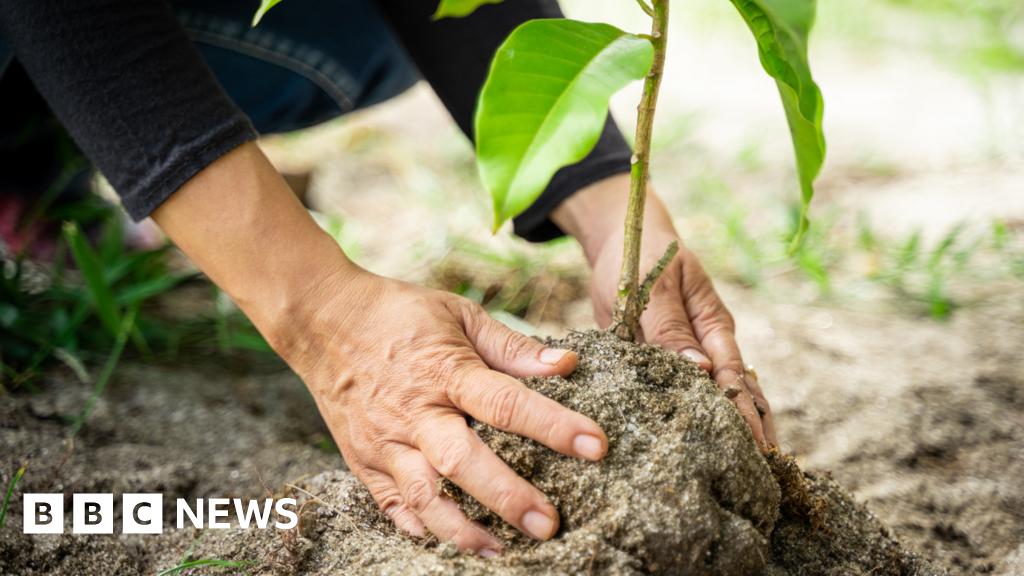
Among the notable beneficiaries of previous funding rounds, the Dane Valley Climate Action Group received support for its ambitious tree-planting scheme. This project exemplified the direct environmental benefits achievable through local action, contributing to carbon sequestration, enhancing local biodiversity, and improving the aesthetic appeal of public spaces. Tree planting is a cornerstone of many climate strategies, offering long-term ecological advantages, including improved air quality, habitat creation for wildlife, and natural flood management. The community engagement fostered by such initiatives also strengthens local bonds and educates residents on the importance of ecological restoration.
Another recipient, Moorlands Climate Action, utilized its grant to organize a vibrant green arts festival. This innovative approach demonstrated how cultural events can serve as powerful platforms for raising awareness about climate change and promoting sustainable living. Such festivals often feature workshops on eco-friendly practices, art installations made from recycled materials, and performances that explore environmental themes, engaging a broader audience than traditional educational campaigns might. By integrating environmental messages into cultural celebrations, these initiatives inspire creativity and collective responsibility towards a greener future.
The Longnor Action Group also benefited, using its funding to orchestrate a community weed and litter pick. While seemingly simple, such initiatives are vital for maintaining the health and beauty of local environments. Litter not only detracts from public spaces but can also harm wildlife and pollute water sources, while invasive weeds can outcompete native flora. These events foster community pride, encourage responsible waste disposal, and provide tangible improvements that residents can immediately appreciate, reinforcing the value of collective action for local environmental stewardship.
Councillor Nigel Yates, the council member with specific responsibility for the environment, articulated the profound significance of these grants. He emphasized, "By providing community-led schemes with these grants we’re making sure people can take action at a very local level." This statement underscores the council’s philosophy that effective climate action must be rooted in local communities, empowering residents and groups who possess intimate knowledge of their areas to devise and implement solutions tailored to specific local challenges and opportunities. This bottom-up approach ensures that initiatives are not only relevant but also garner strong community buy-in and sustained participation. Local action can often be more agile and responsive than larger-scale governmental programs, making it crucial for addressing diverse environmental issues efficiently.
The forthcoming round of funding will be open for applications from April 1st to May 31st, providing a two-month window for interested groups to develop and submit their proposals. Prospective applicants are encouraged to consider projects that offer clear, measurable outcomes and demonstrate a strong community benefit, aligning with the council’s broader environmental objectives. The council has also indicated its ongoing commitment by announcing that another round of funding is anticipated to open in the autumn, signaling a sustained, multi-year effort to support green initiatives across the Staffordshire Moorlands. This continuous funding stream allows for both immediate impact and longer-term planning for environmental projects, ensuring that community groups can pursue ambitious, multi-phase initiatives.
Beyond the specific examples of tree planting, green festivals, and clean-up operations, the council encourages a wide spectrum of project ideas. Eligible initiatives could include community energy projects, such as installing solar panels on community buildings or exploring micro-hydro schemes; educational programs focused on sustainable living, waste reduction, and biodiversity; local food growing initiatives, like community gardens and allotments that reduce food miles and promote healthy eating; and projects that enhance local biodiversity, such as creating pollinator-friendly habitats or restoring local waterways. The scope is broad, reflecting the multifaceted nature of climate change and the diverse ways communities can contribute to solutions.
The availability of these grants represents more than just financial aid; it is an investment in the social capital and environmental resilience of the Staffordshire Moorlands. By enabling communities to lead their own green transitions, the council helps to cultivate a sense of ownership and collective responsibility for the local environment. Such initiatives often lead to unforeseen benefits, including increased community cohesion, skill development among volunteers, and the emergence of local environmental champions. The ripple effect of these grants extends beyond the immediate project, fostering a culture of sustainability that can inspire further action and innovation.
For groups contemplating an application, it is advisable to visit the Staffordshire Moorlands District Council website for detailed guidelines, eligibility criteria, and application forms. The council typically provides resources and support to help applicants develop robust proposals that clearly articulate their project’s objectives, expected environmental and community benefits, and a realistic budget. Understanding the council’s strategic priorities, such as reducing carbon emissions, enhancing biodiversity, and promoting sustainable resource use, will be key to crafting a successful application. This transparent process ensures that funding is allocated to projects with the greatest potential for positive impact.
In conclusion, the Staffordshire Moorlands District Council’s ongoing commitment to funding green initiatives through its Community Climate Change Fund is a testament to the power of local action in addressing a global crisis. By empowering residents and community groups with the resources they need, the council is not only tackling climate change but also nurturing vibrant, resilient, and environmentally conscious communities ready to face the challenges of the future. This strategic investment in grassroots environmentalism is a vital step towards creating a more sustainable and thriving Staffordshire Moorlands for all.



 Roy Suryo
 George Anjay
 Ramos Leo
 atisusanti