
 atisusanti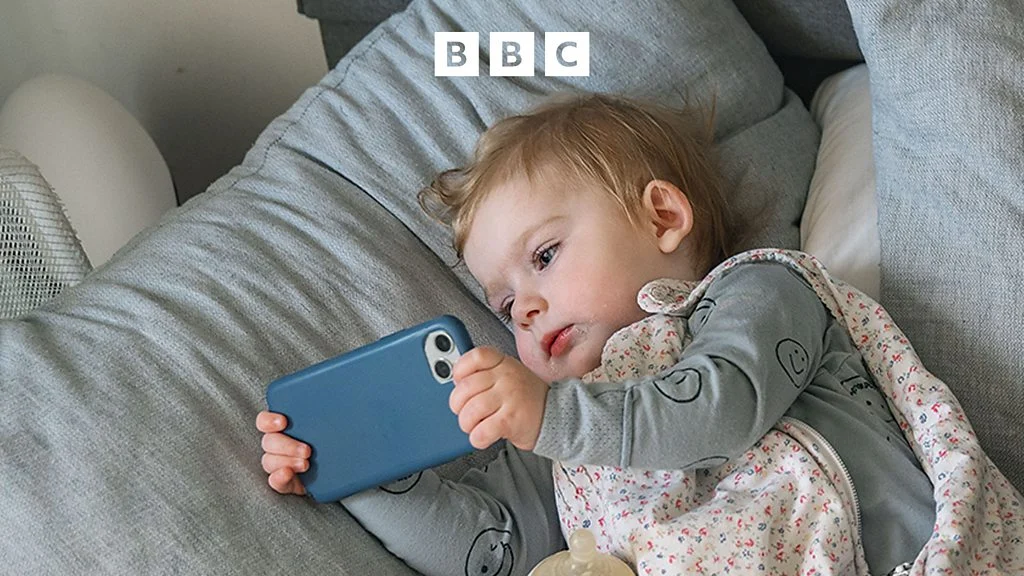
A groundbreaking episode of BBC Sounds’ "Tech Life" delves into the profound and potentially irreversible impact of screen time on the developing brains of babies and young children. This in-depth exploration, broadcast on March 17, 2026, by the World Service, challenges prevailing notions about digital consumption by presenting compelling evidence from parents and leading experts, revealing that excessive screen exposure may be actively "rewiring" the neural pathways of our youngest generation. The 26-minute episode, produced by Imran Rahman-Jones and Vuyelo Ndlovu and presented by Shiona McCallum, goes beyond mere observation, seeking to understand the mechanisms by which digital interfaces shape cognitive development, emotional regulation, and social interaction.
The investigation begins by examining the scientific literature on early childhood screen exposure, a topic that has long been a subject of debate and concern. The "Tech Life" team meticulously sifts through research, highlighting studies that indicate a correlation between high levels of screen time in infants and toddlers and potential delays in language acquisition, reduced attention spans, and difficulties with executive functions such as impulse control and problem-solving. The episode doesn’t shy away from the complexities, acknowledging that not all screen time is created equal. It differentiates between passive viewing and interactive, educational content, while still emphasizing the overarching concern that the sheer volume and constant stimulation of digital devices may be overwhelming developing brains, which are naturally wired for sensory exploration, social interaction, and physical play.
Parents featured in the episode share poignant anecdotes, illustrating the challenges of navigating a world saturated with technology while raising young children. Their personal accounts provide a human face to the statistics, depicting struggles with establishing healthy screen habits, managing tantrums when devices are removed, and the pervasive feeling of being constantly outpaced by the digital demands of modern life. These narratives underscore the real-world implications of the research, demonstrating how screen time can impact family dynamics and the parent-child relationship. Experts, including neuroscientists, developmental psychologists, and pediatricians, lend their authoritative voices to the discussion, explaining the biological underpinnings of brain development in early childhood and how it can be influenced by environmental factors, including digital stimuli. They elaborate on concepts such as synaptic pruning, the process by which the brain strengthens useful connections and eliminates weaker ones, and how consistent, varied real-world experiences are crucial for optimal development. The episode suggests that the rapid-fire, often superficial engagement with screens may be favouring certain neural pathways at the expense of others that are vital for deeper learning and complex cognitive processes.
A particularly moving segment of the episode highlights a listener’s personal story, inspired by a previous "Tech Life" report about a woman who regained her voice with the assistance of artificial intelligence. This listener shared a deeply emotional experience of hearing his father’s voice for the first time in fifty years, a testament to the profound and often unexpected ways technology can intersect with human lives and emotions. While this particular story is a powerful example of technology’s positive potential, it also serves as a poignant counterpoint to the episode’s primary focus on the potential downsides of screen time for developing minds, underscoring the dual nature of technological advancement.
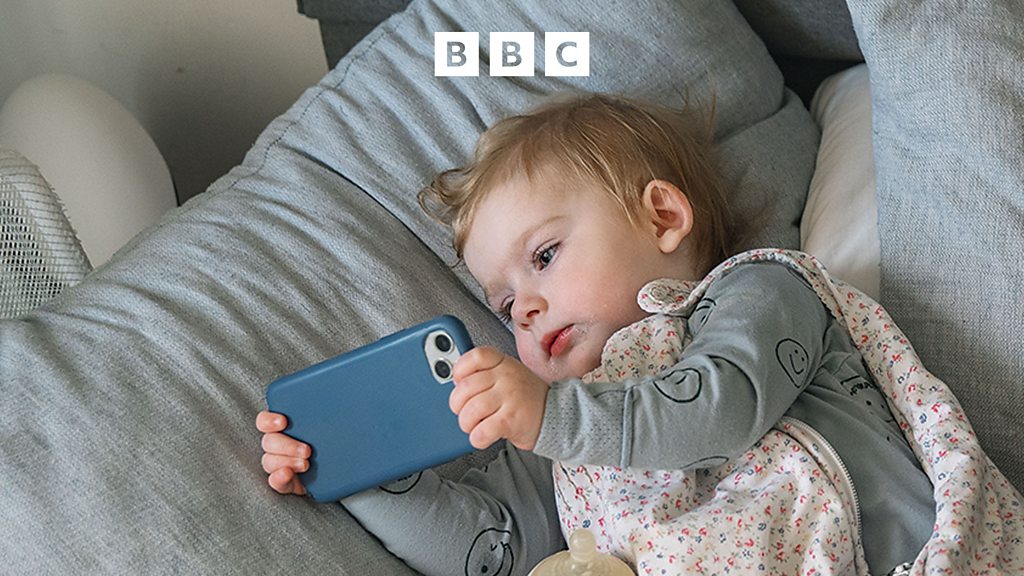
The episode’s imagery, featuring a baby engrossed in a smartphone while lying in bed, serves as a stark visual representation of the issue at hand. This image, credited to Getty Images, encapsulates the modern reality for many families, where digital devices have become ubiquitous, even in the most intimate moments of early childhood. The "Tech Life" team doesn’t offer simplistic solutions but rather encourages a mindful and evidence-based approach to technology integration in young lives. They advocate for setting clear boundaries, prioritizing face-to-face interactions, encouraging active play and exploration, and fostering a balanced digital diet. The overarching message is one of empowerment, urging parents and caregivers to be informed consumers of technology and active architects of their children’s developmental environments.
The availability of this episode for over a year on BBC Sounds signifies its enduring relevance and the ongoing societal conversation it aims to stimulate. The "Programme Website" link provides an avenue for listeners to delve deeper into related content and resources, further supporting the educational mission of "Tech Life." By presenting a comprehensive overview of the research, personal testimonies, and expert insights, this episode of "Tech Life" serves as a crucial call to action, prompting a critical re-evaluation of our relationship with screens and their potential long-term consequences for the cognitive and emotional well-being of the next generation. The episode’s exploration into how screen time might be "rewiring our brains" is not just a piece of journalism; it is a vital contribution to public discourse on one of the most pressing challenges of the digital age.




 George Anjay
 Nakalama John
 Ramos Leo
 Roy Suryo
 Nana Banana