Nana Banana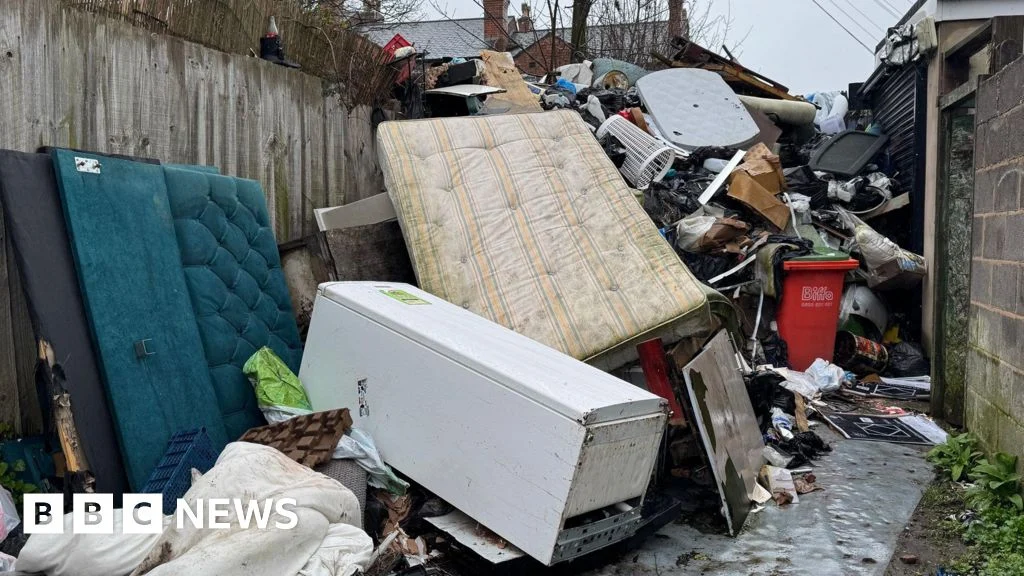
Under the proposed new framework, local councils will gain the ability to issue conditional cautions to fly-tipping offenders. These cautions could mandate up to 20 hours of community service, where the perpetrators would be required to physically clear up illegally dumped waste in public spaces like streets and parks. Additionally, offenders could face immediate fines of up to £300 for the offence. This approach aims to deliver swifter justice and a more visible deterrent, directly linking the punishment to the environmental damage caused. The underlying principle is to ensure that those who blight communities with their illegal actions are held directly accountable, both physically and financially, rather than burdening the taxpayer with the clean-up costs.
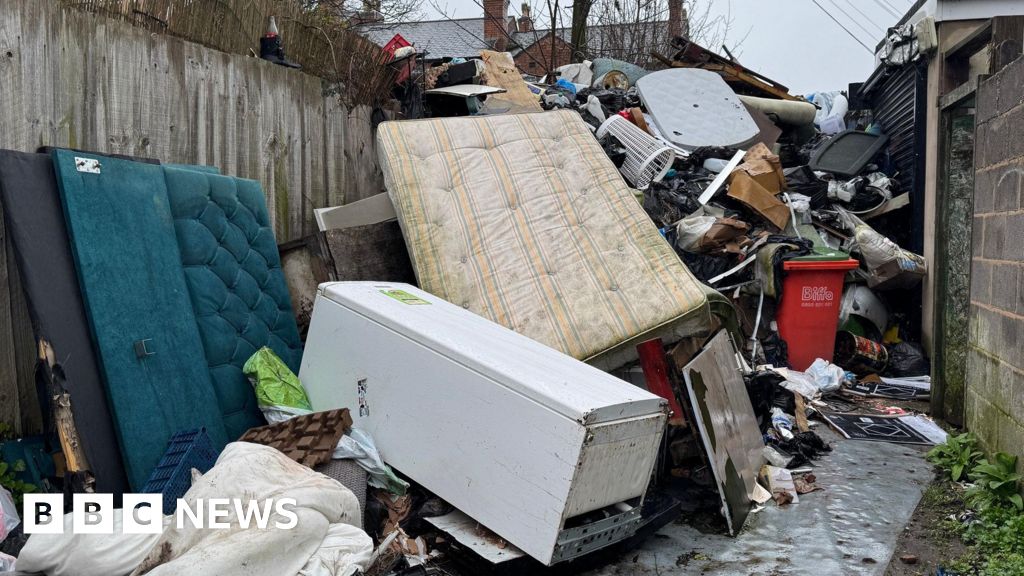
The need for such robust measures has become increasingly evident as waste crime escalates across the country. The Environment Agency (EA), the principal regulator for waste management in England, reported a staggering increase in illegal activity, identifying 749 new illegal waste sites during the 2024-2025 financial year alone. This figure represents a troubling doubling compared to the previous year, highlighting the growing audacity and prevalence of environmental offenders. These sites range from small piles of household refuse left in alleyways to vast, clandestine "super sites" containing tens of thousands of tonnes of commercial and industrial waste, posing severe environmental and public health risks.
Indeed, a BBC investigation in January brought to light the existence of at least 11 such "super sites," with one particularly egregious example in Gloucestershire where residents described up to 50 vehicles delivering rubbish daily at its peak. The sheer volume of waste at these large-scale operations often includes hazardous materials, construction debris, and large household items like mattresses, fridges, and sofas, making their clearance complex, costly, and dangerous. The Environmental Services Association (ESA) estimates the total economic cost of tackling waste crime in England to be around a staggering £1 billion annually, a burden ultimately borne by legitimate businesses and taxpayers.
Environment Secretary Emma Reynolds underscored the government’s resolute stance, stating, "If you dump rubbish on our streets, you will be joining a clean-up squad and picking up the bill, not the taxpayer." She further elaborated that the government is empowering both the Environment Agency and local authorities to significantly bolster waste crime enforcement, impose tougher sentences, and expedite the process of tackling illegal dumping. This comprehensive approach signals a definitive shift towards a zero-tolerance policy for environmental offenders.
The newly announced conditional caution powers for councils complement other recent government initiatives aimed at strengthening the fight against fly-tipping. Just last month, the government announced that drivers caught fly-tipping could face penalty points on their driving licences, a measure designed to target those who use vehicles for illegal waste disposal. Furthermore, the Environment Agency is set to gain unprecedented police-style powers, allowing its officers to search premises without a warrant and arrest individuals suspected of fly-tipping, marking a significant escalation in enforcement capabilities against larger-scale, organised waste crime. To support these enhanced powers, the annual budget for the Environment Agency’s Joint Unit for Waste Crime (JUWC) was doubled to £15.6 million for this year, specifically allocated to increase arrests and dismantle criminal networks.
The new conditional caution scheme, initially reported by the i newspaper, offers a streamlined enforcement pathway. By allowing councils to issue these cautions without immediate recourse to the courts, it is anticipated that enforcement actions will become faster and more efficient, reducing the administrative burden on the justice system. Should an offender breach the conditions of their caution – for instance, by failing to complete the mandated community service or pay the fine – councils would still retain the option to pursue a full conviction through the courts, ensuring that accountability remains paramount.
While councils currently possess the power to issue on-the-spot penalties of £150 for littering, the proposed uplift to £300 for fly-tipping and the inclusion of community service reflect a recognition of the greater severity of the latter offence. Mary Creagh, the nature minister, clarified that these new powers are primarily intended for tackling smaller, localised fly-tipping incidents that councils frequently encounter. Enforcement against the more complex and environmentally damaging "super sites," defined as those containing over 20,000 tonnes of waste, will remain the primary responsibility of the Environment Agency, leveraging its expanded investigative and arrest powers.
The government’s proposals have been met with a cautiously optimistic response from key stakeholders. The Local Government Association (LGA), which represents councils across England, welcomed the initiative. Arooj Shah, Chair of the LGA’s Neighbourhoods Committee, affirmed: "Councils want to work with government to tackle the scourge of fly tipping and protect our communities from environmental crime." According to government figures for 2024-2025, local authorities in England dealt with a staggering 1.26 million fly-tipping incidents, with household waste accounting for 62% of these cases. This highlights the pervasive nature of the problem at a local level.
However, the LGA also stressed a critical caveat: for these new powers to be truly effective, councils must be "properly resourced and supported" to implement the cautions, conduct the necessary enforcement, and manage the community service programmes. Ms. Shah further argued that existing court fines for fly-tipping need strengthening, stating, "Sentencing guidelines must be reviewed so punishments properly reflect the seriousness of the offence and the harm it causes to communities." This underscores the ongoing challenge of ensuring that the judicial system delivers penalties commensurate with the environmental and societal impact of waste crime.
The Liberal Democrat spokesperson for the environment, Tim Farron, also voiced support for the principle, asserting that "it’s only right that those who litter are made to pick up their waste." Yet, he emphasized the critical need to target the "professional gangs" orchestrating large-scale dumping, advocating for the National Crime Agency (NCA) to take a leading role in such investigations. Farron argued for "serious enforcement and a long term strategy – not just another quick fix," highlighting the distinction between opportunistic individual acts and organised criminal enterprises that profit from illegal waste disposal.
Farmers, whose land is disproportionately affected by fly-tipping, also cautiously welcomed the prospect of tougher powers. Robyn Munt, NFU vice-president, expressed hope that these measures could "act as a deterrent" to criminals. However, he pointed out a significant enforcement gap, noting that "only 1 in 1,000 fly-tipping incidents are prosecuted by the police." This statistic underscores the immense challenge of identifying and bringing offenders to justice. Mr. Munt stressed the vital need for "further measures… to catch waste criminals in the first instance, including a simpler mechanism to report fly tips," advocating for better intelligence gathering and reporting systems.
Indeed, the challenge of identifying and apprehending fly-tippers remains substantial. Local police and crime commissioners have previously highlighted the difficulties in catching waste criminals who often operate across county borders, making coordinated enforcement complex. Most large-scale illegal dumps occur in secluded countryside locations, frequently on agricultural land, where surveillance is difficult and access often goes unnoticed until the damage is done.
The government will be consulting with councils and other relevant bodies before formally introducing these changes, ensuring that the new powers are practical and implementable. The overarching goal is clear: to shift the responsibility for cleaning up illegal waste from the public purse to the perpetrators themselves, thereby creating a more robust deterrent and fostering cleaner, healthier communities across England. While these new powers represent a significant step forward, their ultimate success will hinge on adequate resourcing, effective implementation, and a sustained, coordinated effort across all levels of government and law enforcement to truly stamp out the scourge of fly-tipping.




 Roy Suryo
 George Anjay
 Ramos Leo
 atisusanti