Nana Banana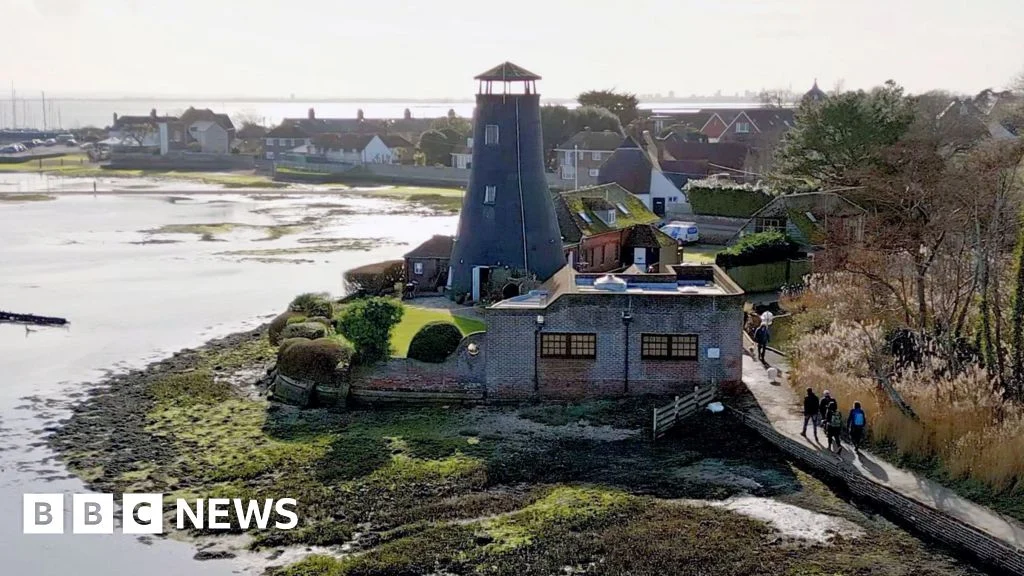
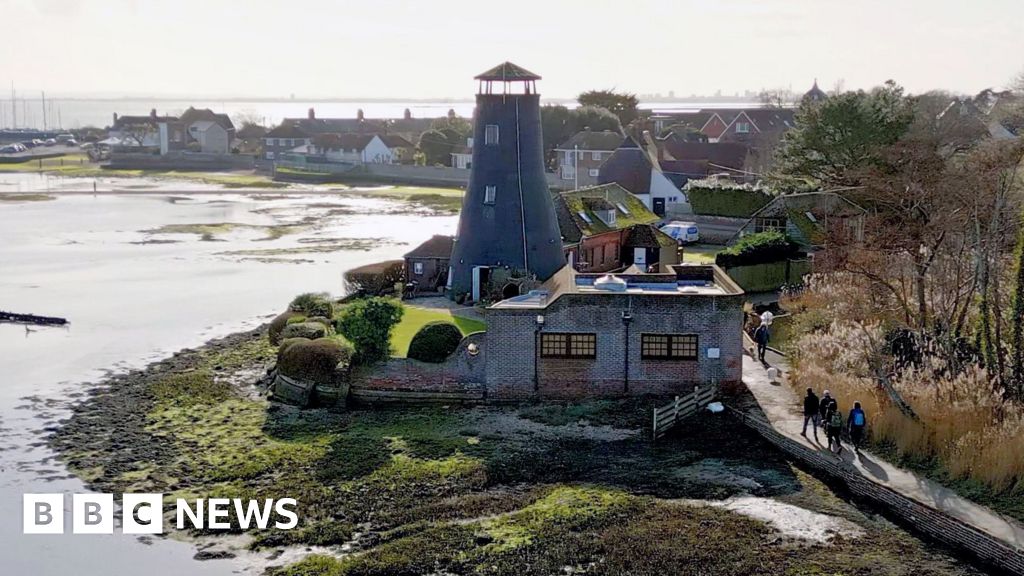
After eighteen years of meticulous planning, dedicated construction, and the tenure of seven prime ministers, England has officially inaugurated the King Charles III England Coast Path, a monumental achievement in public access and environmental conservation. Stretching an astounding 2,689 miles (4,328 kilometres) around the entire English coastline, this newly established route is not only the longest managed coastal walking path in the world but also a testament to a long-held national aspiration. For the first time, walkers can embark on a continuous journey, exploring England’s diverse and captivating shoreline step by step, from the rugged cliffs of Cornwall to the serene salt marshes of Norfolk, and the historic ports of the North East to the iconic chalk stacks of the South Coast.
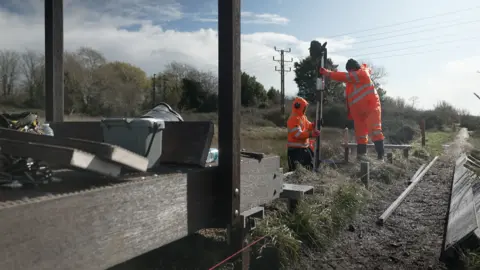
The project, spearheaded by Natural England, the government’s adviser for the natural environment, represents a colossal undertaking initiated during Gordon Brown’s premiership. Its completion marks a significant milestone, opening up unparalleled opportunities for recreation, tourism, and a deeper connection with the country’s natural heritage. While many sections of the route previously existed as local footpaths, over 1,000 miles of entirely new paths have been meticulously created, and countless others significantly upgraded. This extensive work involved far more than simply designating a line on a map; it encompassed considerable civil engineering, including resurfacing worn tracks, constructing durable boardwalks over marshy terrain, installing sturdy bridges across waterways, and strategically removing stiles to enhance accessibility for a wider range of users.
The path traverses a breathtaking array of landscapes, offering a constantly changing panorama of England’s natural beauty. Walkers will encounter everything from expansive, sandy beaches perfect for quiet contemplation or family outings, to dramatic, windswept cliffs that plunge into the churning sea. The route winds through tranquil salt marshes teeming with birdlife, skirts around ancient dunes shaped by centuries of wind and tide, and passes through charming historic coastal towns and bustling fishing villages, each with its own unique character and story. A particular highlight is the majestic chalk downland of the Seven Sisters in East Sussex, a globally recognised natural landmark. This iconic stretch, known for its undulating white cliffs and dramatic vistas, now also forms part of a newly designated National Nature Reserve, further cementing its importance for biodiversity and natural beauty, an announcement made concurrently with the path’s inauguration by Natural England.

Neil Constable, who led this ambitious project for Natural England, describes it as "the best thing I’ll do in my working life." For Constable, the sheer length of the path, while impressive, isn’t its sole defining feature. Its true genius, he argues, lies in the unprecedented freedom it grants: the ability to reach any point on the English coast, turn left or right, and follow the uninterrupted shoreline for as long as one desires. This seamless continuity transforms the coastal experience, removing previous barriers and fragmented sections that often forced walkers inland or onto less scenic routes. Crucially, the new rights of access extend beyond the immediate path, opening up land that was previously off-limits to the public, including pristine beaches, shifting dunes, and expansive cliff-tops located between the designated trail and the high water mark. This "band of access land," as Jack Cornish, director of England for the Ramblers charity, explains, means individuals can now freely leave the main trail to explore, picnic, and truly immerse themselves in the coastal environment, a freedom previously denied on much of the coastline.
Accessibility has been a core consideration in the path’s design. Efforts have been made to improve sections for those with reduced mobility, ensuring that more people can experience the health and well-being benefits of coastal walking. Gaps in the existing network of public footpaths have been systematically filled, with a strong focus on bringing the route closer to the water’s edge and connecting stretches of coastline that had never before been joined by a single, continuous walking trail.
However, the path also embraces the wild and untamed aspects of the coast, presenting unique challenges that add to its character. In a few specific locations, walkers must briefly diverge from a purely terrestrial route. For instance, in north-west England, navigating the path requires a scenic ferry crossing across the River Mersey, connecting two vital stretches of the coastline and offering a different perspective of the maritime landscape. One particularly memorable and challenging section lies in south Devon, at the River Erme. Here, the absence of a bridge or ferry, coupled with privately owned and inaccessible land further upstream, necessitates a tidal crossing. Adventurous walkers must time their journey precisely, rolling up their trousers and wading across the river within an hour either side of low tide. "It’s all part of the experience," remarks Neil Constable, highlighting the raw, immersive nature of such encounters.
A groundbreaking aspect of the King Charles III England Coast Path is its innovative approach to climate change. The path has been designed with the anticipated impacts of heavier rains and rising sea levels firmly in mind. For the first time in English law, there is explicit provision for the route to be moved inland – a process Natural England refers to as "rolling back" – if the coastline erodes, shifts, or becomes impassable due to climate-related changes. This adaptive mechanism is crucial for the long-term viability of the path, ensuring it can remain continuous and practical for generations to come, even as the dynamic coastal environment evolves. Lorna Sherriff, who leads the team managing the South West Coast Path, the longest and often hilliest section of the new trail, recounts a recent success story. After a significant cliff fall rendered a section impassable, the traditional diversion would have added an extra mile and a half and routed walkers along busy roads, potentially taking months to resolve. However, utilising the "roll-back" clause, Sherriff’s team quickly arranged a 15-meter inland adjustment with the landowner, and within weeks, the path was safely re-opened. "Without this roll-back provision in place that would have taken us months," she states, underscoring the efficiency and foresight of this new legal framework.
The opening of the England Coast Path represents the culmination of an extraordinary, multi-generational campaign. The Ramblers charity has been advocating for greater public access to England’s coastline since the end of World War II, tirelessly campaigning for over 80 years. Jack Cornish describes the new path as "transformational," not just for the miles of walking it provides, but for the fundamental shift in public access rights it enshrines. For an island nation, this path finally allows its citizens and visitors to truly embrace and enjoy its precious coastline in a way never before possible.
The establishment of the King Charles III England Coast Path also opens up tantalising possibilities for a continuous coastal walk around the entire island of Great Britain. This new English route seamlessly links with the existing Wales Coast Path, an 870-mile (1,400-kilometre) trail that encircles the Welsh coastline. Completed in 2012, the Wales Coast Path was itself a pioneering achievement, being the first path in the world to follow an entire national coastline. When combined, these two magnificent routes form a substantial portion of a potential full Great Britain circumnavigation. Including the existing and developing coastal paths in Scotland, a continuous coastal walk around the entirety of Britain could potentially total an astonishing 9,000 miles (approximately 14,500 kilometres). At a steady average of 15 miles (24 kilometres) per day, such an epic journey would take almost two years to complete, assuming no rest days – an incredible odyssey for the most dedicated long-distance walkers.
Beyond the immediate recreational benefits, the King Charles III England Coast Path is expected to bring significant economic advantages to coastal communities, boosting local tourism, supporting businesses, and creating jobs. It also serves as a powerful tool for environmental education and conservation, encouraging people to connect with nature, appreciate the delicate ecosystems of the coast, and become advocates for their protection. This colossal undertaking is more than just a path; it is a legacy, a living infrastructure project designed to endure and adapt, ensuring that the beauty and accessibility of England’s coast remain a cherished resource for future generations.



 Ramos Leo
 atisusanti
 Roy Suryo
 George Anjay