Nakalama John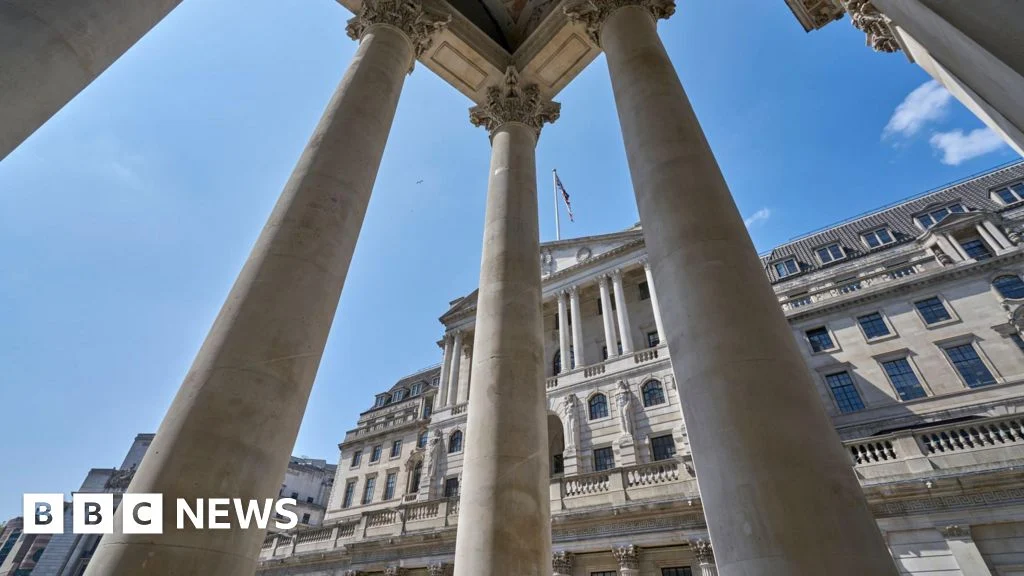
Before the outbreak of hostilities, economic analysts and commentators were increasingly confident that the Bank rate would see a reduction at this meeting. Their optimism was fueled by a series of positive indicators, most notably a consistent downward trend in inflation, which had successfully dropped to 3% in January. This marked a substantial decline from its peak and brought it closer to the Bank’s target of 2%. Furthermore, other economic data, including a softening labour market and signs of a slowing economy, suggested that the aggressive monetary tightening cycle of previous years might be easing, creating headroom for a rate cut to stimulate growth. Indeed, the Bank rate was already at its lowest level since February 2023, reflecting a gradual easing from the highs of 5.25% seen in August 2023.
However, the geopolitical landscape dramatically shifted following the US-Israeli strikes on Iran and the subsequent regional instability. This conflict has had immediate and profound repercussions across global markets, effectively derailing the earlier predictions for a rate cut. The most visible and economically impactful consequence has been a surge in global oil prices. Iran, a major oil producer, sits strategically on the Strait of Hormuz, a critical chokepoint for a significant portion of the world’s oil supply. Any disruption or perceived threat to shipping through this strait immediately triggers a geopolitical risk premium on oil, sending prices upwards. This translates directly into higher costs for consumers and businesses alike, affecting everything from petrol prices at the pumps to domestic energy bills and the cost of transporting goods.
Beyond oil, the broader market upheaval reflects a general flight to safety among investors. Increased volatility in equity markets, a strengthening of safe-haven assets like government bonds, and fluctuations in currency values all signal a nervous global financial environment. This uncertainty complicates economic forecasting and central bank decision-making, as the duration and intensity of the conflict, and thus its economic fallout, remain unpredictable. The Bank’s Monetary Policy Committee, tasked with maintaining price stability and supporting the government’s economic policy, now faces a delicate balancing act. Their primary tool to combat inflation is the interest rate, and with renewed inflationary pressures looming, they are compelled to hold their stance rather than ease it.
The MPC’s latest decision, expected to be published at 12:00 GMT, will be closely scrutinized. Only at the start of February, the Bank’s rate-setters had opted to hold the benchmark rate in what was described as a knife-edge vote, indicating a divided committee even then. At that time, Bank governor Andrew Bailey had offered a glimmer of hope for borrowers, telling the BBC that there was likely to be "some further reduction" in rates later in the year. His comments reflected the prevailing optimism that inflation was under control and the economy needed a boost. However, the unforeseen conflict in Iran has fundamentally altered this trajectory, pushing potential rate cuts further into the future, and even raising the specter of a rate increase should the war become protracted and the economic shock more severe and persistent.
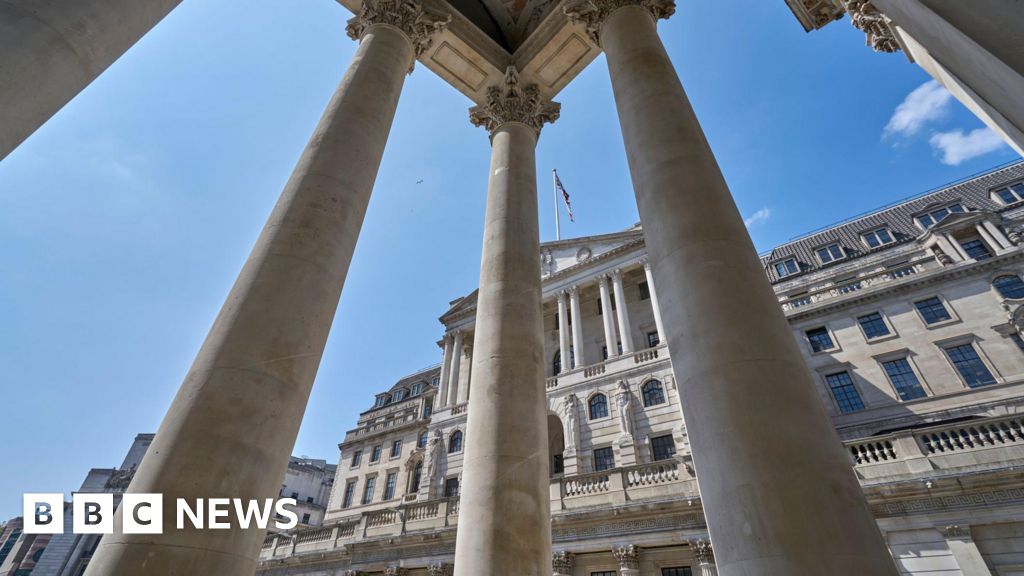
Economists had initially pencilled in an interest rate cut after the rate of inflation dropped to 3% in January. This progress was the result of a concerted effort by the Bank to tame persistent inflation, primarily through a series of aggressive rate hikes throughout 2022 and 2023. The falling inflation rate was a welcome sign, suggesting that the tightening measures were working and that the cost of living crisis might finally be abating. However, the new geopolitical reality has thrown these expectations into disarray. Official forecasters now warn that the surge in oil prices and disruption to crucial trade routes, particularly the Strait of Hormuz, are likely to put significant upward pressure on the rate of inflation, threatening to reverse the hard-won progress towards the 2% target.
Interest rates are the primary tool available to the Bank to hit that inflation target rate. By raising or holding rates, the Bank aims to dampen demand in the economy, making borrowing more expensive and encouraging saving, thereby cooling price pressures. Conversely, cutting rates stimulates demand. Given the current situation, economists now widely expect the MPC to stand back from any changes to the rate, choosing instead to gauge the duration and severity of the price shock before making any moves. This cautious approach is prudent in a highly volatile environment where policy mistakes could have significant long-term consequences.
Mortgage rates on the rise
The Bank of England’s base rate is the fundamental cost of borrowing for commercial banks and building societies. This rate directly influences the interest rates they, in turn, offer to their customers for various financial products, including mortgages and savings accounts. The expectation of an interest rate hold by the Bank of England, coupled with the wider economic uncertainty triggered by the Iran conflict, has already sent ripples through the mortgage market.
Markets and lenders have swiftly priced in the anticipated interest rate hold. However, they have also reacted to the broader uncertainty by withdrawing some existing deals and, more notably, raising rates on new fixed-term mortgage products. This move by lenders reflects their increased cost of funding in a volatile market and their anticipation of continued economic instability. The impact on prospective homeowners and those looking to remortgage has been immediate and tangible. The average rate on a new two-year fixed deal has jumped significantly, rising from 4.83% at the beginning of March to 5.32% currently. This represents its highest level since last February, placing additional financial strain on borrowers. Similarly, for those seeking more long-term stability with a five-year fixed deal, the average rate has climbed from 4.95% to 5.37% over the same period, reaching its highest point since August 2024. These increases mean higher monthly payments for thousands of households, reducing their disposable income and potentially impacting consumer spending.
Beyond mortgages, wider borrowing costs are also likely to be affected. This includes the rates on credit cards, personal loans, and business loans, all of which tend to move in tandem with the base rate and market expectations. For businesses, higher borrowing costs can deter investment and expansion, potentially slowing economic growth.
Tamsin Powell, a consumer finance commentator at Creditspring, highlighted the particular challenges this scenario presents. "This will be particularly challenging for lower-income households, many of whom were hoping that falling rates would ease pressure on already stretched budgets," she stated. "Instead, they are now facing a prolonged period where the cost of credit remains high, while essentials like food, utilities, and transport continue to take up a greater share of income. This leaves far less flexibility to absorb financial shocks or unexpected expenses." Her comments underscore the disproportionate impact on vulnerable segments of society, who are more reliant on credit and have less financial resilience to absorb rising costs. The hope for relief from the cost of living crisis, which had been building due to falling inflation, has now been dimmed by these new geopolitical realities.
Conversely, a fall in interest rates is typically unwelcome news for savers, as it translates to lower returns on their deposits. Therefore, an interest rate hold, while not an increase, should offer "some short respite," according to Rachel Springall of Moneyfacts. This means that savers might see their existing rates maintained, or even modest increases in some competitive accounts, rather than the widespread cuts that would accompany a base rate reduction. Springall observed that "over the past couple of weeks, there have been more savings rate increases than reductions, most notably on one-year fixed rates, but the true benefit rests in the margins, so average rates are not moving much." This nuance suggests that while some banks might offer slightly better deals to attract deposits, the overall landscape for savers remains challenging.
She further pointed out a concerning statistic: about two-thirds (60%) of UK savings accounts currently fail to beat the Bank rate of 3.75%. This indicates that many savers are still not receiving competitive returns, often due to inertia or choosing easy-access accounts with lower rates. For savers to genuinely benefit and build a robust "nest egg," as Springall suggests, "The market needs stability and savers need to feel encouraged." The current environment of uncertainty, however, makes both stability and encouragement difficult to achieve.
The Bank of England’s decision today is more than just a technical adjustment; it’s a reflection of the intricate connection between global geopolitics and domestic economic well-being. The conflict in Iran, even if geographically distant, has a tangible impact on the daily lives of individuals and the operational costs of businesses in the UK. The MPC’s choice to hold rates signals a cautious stance in the face of renewed inflationary threats, prioritizing price stability over immediate economic stimulus. While this might offer some temporary relief for savers, it presents significant challenges for borrowers and those navigating the ongoing cost of living crisis, extending the period of high credit costs and economic uncertainty for the foreseeable future. The path ahead remains fraught with geopolitical risk, making the future trajectory of interest rates and the broader economy exceptionally difficult to predict.




 Roy Suryo
 George Anjay
 Ramos Leo