
 Nakalama John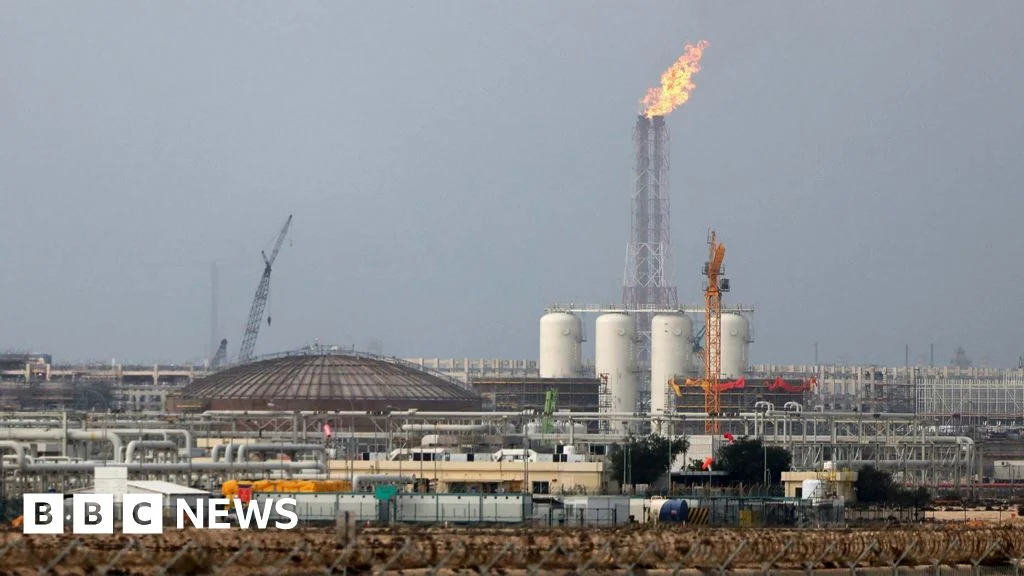
A series of devastating missile attacks on Qatar’s crucial Ras Laffan industrial hub has sent shockwaves through global energy markets, causing gas prices to soar and raising significant concerns about future supply stability. The assaults, which Qatar’s state-run energy firm QatarEnergy confirmed resulted in "extensive damage" to key facilities, mark a perilous escalation in the broader regional conflict following reports that Israel targeted a petrochemical complex in Iran. This tit-for-tat aggression threatens to fundamentally reshape the global energy landscape, with far-reaching implications for consumers and economies worldwide.
What is Ras Laffan and what does it do?
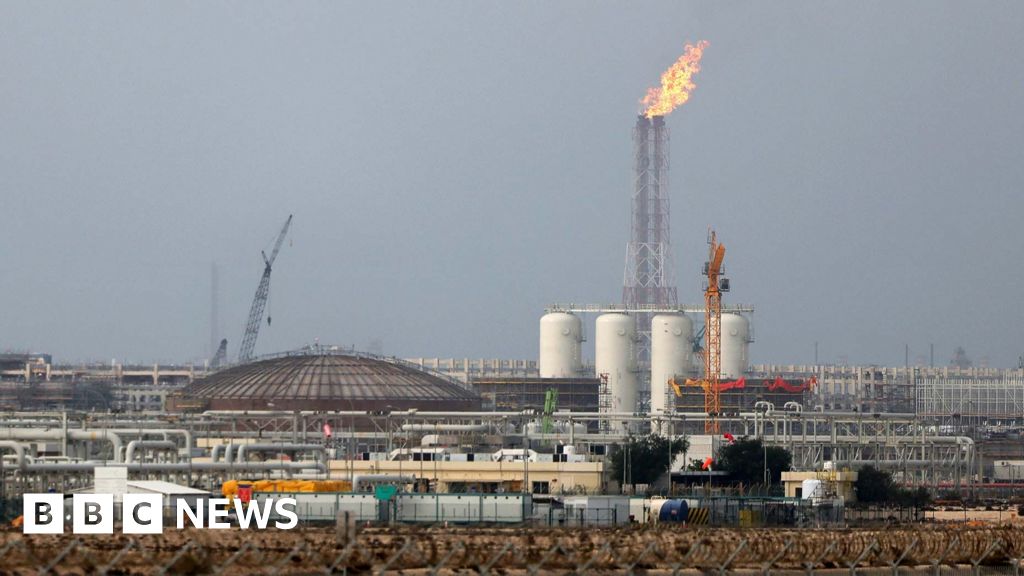
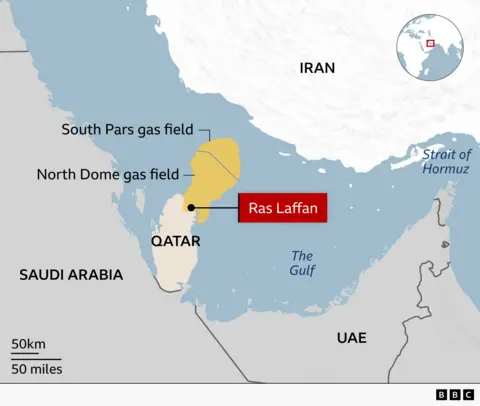
Ras Laffan Industrial City is not merely an energy facility; it is a linchpin of the global liquefied natural gas (LNG) supply chain. Located approximately 80 kilometres (50 miles) north-east of Qatar’s capital, Doha, it stands as the nation’s primary hub for producing LNG, a super-chilled natural gas that is transported by ship and used extensively across the globe for cooking, heating homes, and generating electricity. Its strategic importance is underscored by its output: Ras Laffan typically accounts for about a fifth of the world’s total LNG supply.
The industrial city is a sprawling complex encompassing more than just LNG production. Its sophisticated infrastructure includes a state-of-the-art gas-to-liquids (GTL) plant, massive LNG storage tanks, and a critical oil refinery. The GTL plant, notably Shell’s Pearl facility, converts natural gas into high-quality liquid fuels and lubricants, diversifying Qatar’s energy exports. These facilities are integral to Qatar’s position as a dominant force in the global energy market.
Adding to its strategic significance, Ras Laffan is situated in close proximity to the world’s largest gas field, which Qatar shares with Iran. The Iranian portion is known as South Pars, while Qatar’s side is referred to as North Dome, covering an immense area of over 6,000 square kilometres (2,315 square miles). This shared natural resource has historically been a source of both cooperation and tension between the two nations, and its vulnerability to regional instability amplifies the current crisis.
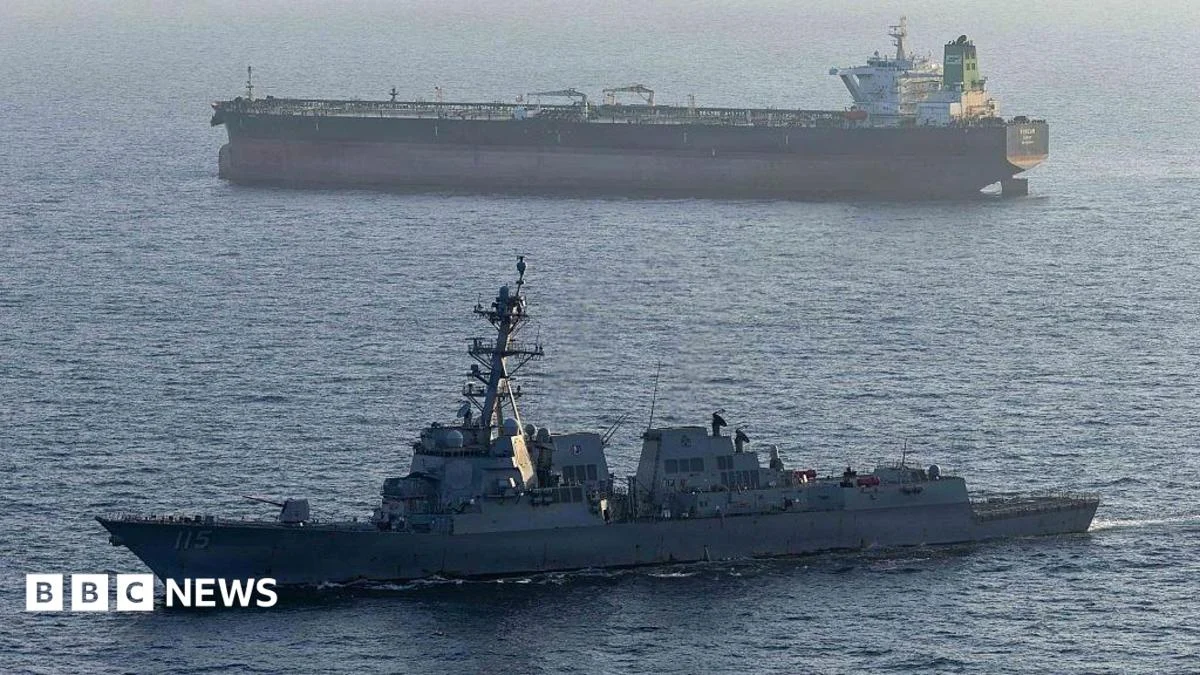
The operations at Ras Laffan are managed by the state energy company QatarEnergy, but it also hosts significant operations from several major international energy firms. These include US giants ExxonMobil and Chevron, as well as the UK’s Shell, whose Pearl GTL facility sustained direct damage in the recent attacks. The involvement of these multinational corporations highlights the global investment and reliance on Ras Laffan’s continuous operation. Production at the site has reportedly been shut down since early March, shortly after the initial outbreak of what appears to be a broader, escalating conflict in the region. The prolonged shutdown and extensive damage suggest that the impact will be felt for an extended period, far beyond immediate market fluctuations.
What is happening to gas prices?
The attacks on Ras Laffan triggered an immediate and dramatic response in energy markets. QatarEnergy confirmed overnight that the industrial city had been subjected to two distinct missile attacks. One strike resulted in "extensive damage" to Shell’s Pearl gas-to-liquids facility, a crucial component of the complex. A second, equally devastating attack caused "sizeable fires and extensive further damage" to several of its vital LNG facilities. This double blow to such a critical energy hub inevitably sent gas prices, which had already been on an upward trend since the start of the broader regional conflict, surging even higher.
When trading commenced on Thursday morning, the impact was stark. UK gas prices briefly surged by over 30%, settling at an approximate 22% increase, reaching 170p per therm. European gas prices mirrored this trend, climbing by 20% on the same day. These figures, while not reaching the unprecedented peaks seen in the aftermath of Russia’s invasion of Ukraine in late 2022 (when prices soared to an astounding 640p per therm), are nonetheless described as "huge" by experts such as Matthieu Favas, commodities editor at The Economist. The rapid escalation underscores the market’s sensitivity to supply disruptions and geopolitical instability in key energy-producing regions.
Analysts are expressing deep concern that the latest missile attacks signify a dangerous escalation in the underlying conflict between Iran and Israel. The fear is that the current disruption to global gas supply could continue for a significantly longer period than initially anticipated, driving market speculation and sustained price volatility. The interconnectedness of global energy markets means that a major blow to a producer like Qatar reverberates across continents, impacting even countries that source little direct supply from the affected region.
What will happen now?
The consensus among energy experts is that the attacks on Ras Laffan represent a pivotal moment for the global LNG market. Energy research and consultancy firm Wood Mackenzie articulated this stark reality, stating that the attacks "fundamentally reshape [the] global LNG outlook" and that the timeline for recovery was "likely significantly extended." This assessment contrasts sharply with earlier market expectations, which had optimistically projected a short disruption, with a controlled restart restoring supply to pre-conflict levels by mid-2026. "That outlook now appears increasingly unlikely," confirmed Kristy Kramer, head of LNG strategy and market development at Wood Mackenzie, underscoring the severity of the damage and the heightened geopolitical risk.
Nick Butler, a former head of strategy at BP and an ex-adviser to Gordon Brown, echoed this sentiment, emphasizing that the market is now bracing for a prolonged period of uncertainty and higher prices. "This will almost certainly cut off a level of supply of LNG to the world market," Butler stated. "The price of gas in the world market will therefore inevitably rise, because that gas can’t be substituted very quickly at all, and maybe not for a very long time." The complexity of LNG production facilities and the extensive damage mean that repairs will be costly, time-consuming, and potentially fraught with risk given the ongoing regional tensions. Building new LNG infrastructure to compensate for such a significant loss of capacity would take years, offering no immediate relief.
While Matthieu Favas noted that current prices are still a considerable distance from the peaks observed after Russia’s invasion of Ukraine, the recent surge is nonetheless substantial and indicative of deep market anxiety. The fear is not just about the immediate loss of Qatari supply, but also the potential for further escalation in the Middle East, which could disrupt other crucial energy pathways, such as shipping routes through the Strait of Hormuz, or impact other major producers. This uncertainty makes long-term energy planning incredibly challenging for governments and energy companies alike.
Where does the UK get its gas from?
Despite the global nature of the crisis, it’s important to understand the UK’s specific energy mix. The vast majority of the UK’s gas supply originates from Norway and the United States. In 2024, Norway accounted for a significant three-quarters of the UK’s gas imports, solidifying its position as Britain’s primary energy partner. The US followed, supplying 17% of the UK’s gas needs, primarily in the form of LNG.
While Qatar is a major global LNG exporter, its direct contribution to the UK’s gas supply has been relatively small, making up just under 2% of total imports in the most recent figures. On the surface, this might suggest a limited direct impact from the Ras Laffan attacks on UK households and businesses. However, such a simplistic view overlooks the intricate and interconnected nature of the global LNG market.
How does this affect people in the UK?
The seemingly small direct reliance on Qatari LNG does not insulate the UK from the consequences of this crisis. The global LNG market operates on a highly integrated spot and futures trading system. When a significant supply source like Ras Laffan is disrupted, it creates a global shortage, increasing competition for available LNG cargoes and driving up prices across the board. Countries that are more heavily reliant on Qatari LNG, particularly in Asia and Europe, will now bid higher for alternative supplies, inevitably pushing up the global benchmark price for gas. This upward pressure on global prices will quickly translate to higher costs for all importers, including the UK, regardless of their direct purchasing agreements with Qatar.
Furthermore, even for those in the UK who use alternative energy sources like solar or nuclear power, the rising gas prices will have a substantial impact. This is due to a fundamental mechanism in the UK’s energy market: the energy regulator, Ofgem, uses gas as "the marginal source of power." This means that the price of wholesale electricity in the UK is largely set by the cost of generating the last unit of electricity required to meet demand, which, more often than not, comes from gas-fired power plants. Consequently, when gas prices climb, they exert a powerful upward pull on electricity prices across the entire system.
The immediate and most direct impact on individuals and businesses will be felt in their energy bills. Higher wholesale gas and electricity prices will eventually be passed on to consumers, leading to increased costs for heating, cooking, and powering homes and workplaces. This comes at a time when many households are already grappling with a cost-of-living crisis.
Beyond direct energy bills, the ripple effects will spread throughout the economy. Higher energy costs for businesses, particularly in energy-intensive sectors like manufacturing, agriculture, and transportation, will translate into increased production costs. These costs are then often passed on to consumers in the form of higher prices for goods and services, exacerbating inflationary pressures. This could further squeeze household budgets, potentially leading to reduced consumer spending and a slowdown in economic growth.
The crisis also reignites critical discussions about energy security. Nick Butler highlighted the urgent need for government intervention: "In the short term, someone is going to have to pay more and we need to be planning for that." He further emphasized, "I think now we’ve come to a stage where the government will have to come in with a plan for energy security and a plan for protecting people who are going to pay these higher prices in two or three months’ time as the market works through." Such plans could involve a range of measures, including targeted subsidies for vulnerable households, price caps, accelerated investment in domestic renewable energy sources, and enhanced energy efficiency programmes to reduce overall demand.
In essence, while the missile attacks occurred thousands of miles away, their impact is global. The interconnectedness of energy markets ensures that a significant disruption in a key producing region like Qatar creates a cascade of economic consequences, directly and indirectly affecting the pockets of people across the UK and beyond. The ongoing geopolitical instability in the Middle East serves as a stark reminder of the fragile balance of global energy supply and the imperative for nations to diversify their energy sources and bolster their resilience against external shocks.



 George Anjay
 Ramos Leo
 Roy Suryo
 atisusanti