atisusanti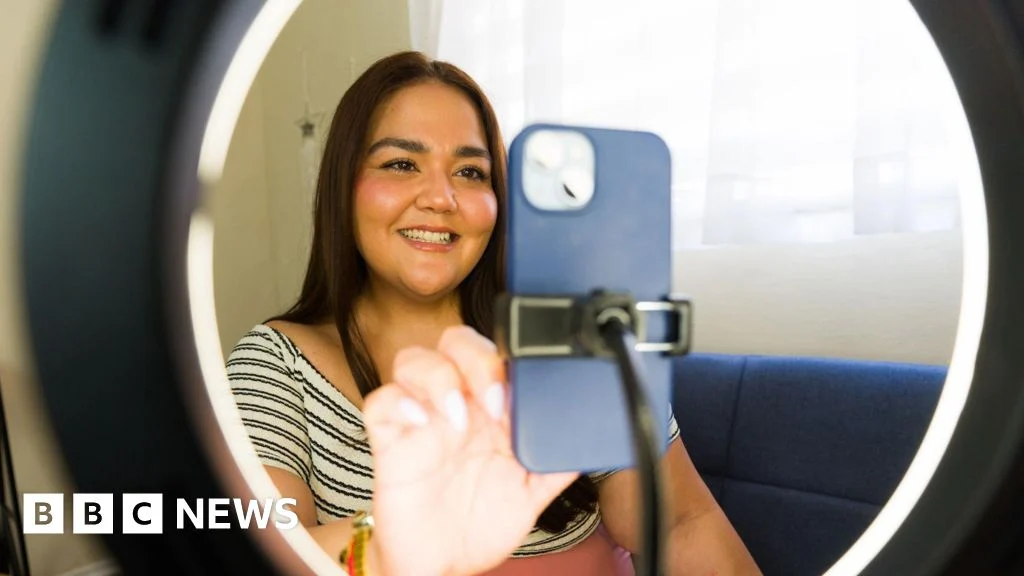
The Creator Fast Track program is specifically designed for "established creators who are new to or rediscovering Facebook," according to a statement released by Meta. To qualify for the highest payout of $3,000 per month, creators must demonstrate a significant existing audience, boasting over one million followers on platforms such as Instagram, TikTok, or YouTube. The program requires these eligible creators to produce a minimum of 15 Reels per month. For creators with a substantial following but fewer than a million followers on other platforms, Facebook is offering an alternative incentive of up to $1,000 per month. This tiered approach aims to attract a broad spectrum of creators, from mega-influencers to emerging talents, all while encouraging them to diversify their content distribution.
Meta has been heavily investing in creator monetization, reporting that it paid out nearly $3 billion to creators in 2023 through various monetization programs. This new initiative signifies a more direct and aggressive approach to acquiring popular talent, particularly in the short-form video arena. The program, however, is currently limited in its geographical reach, being available only to creators based in the United States and Canada. Furthermore, the financial incentives are capped at a maximum of three months, suggesting a trial period or an initial push to seed the platform with engaging content.
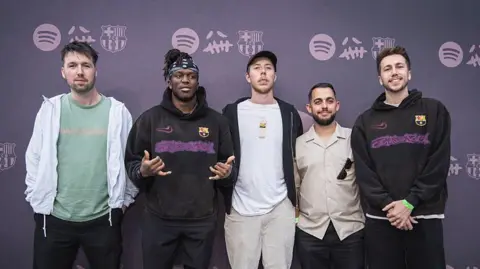
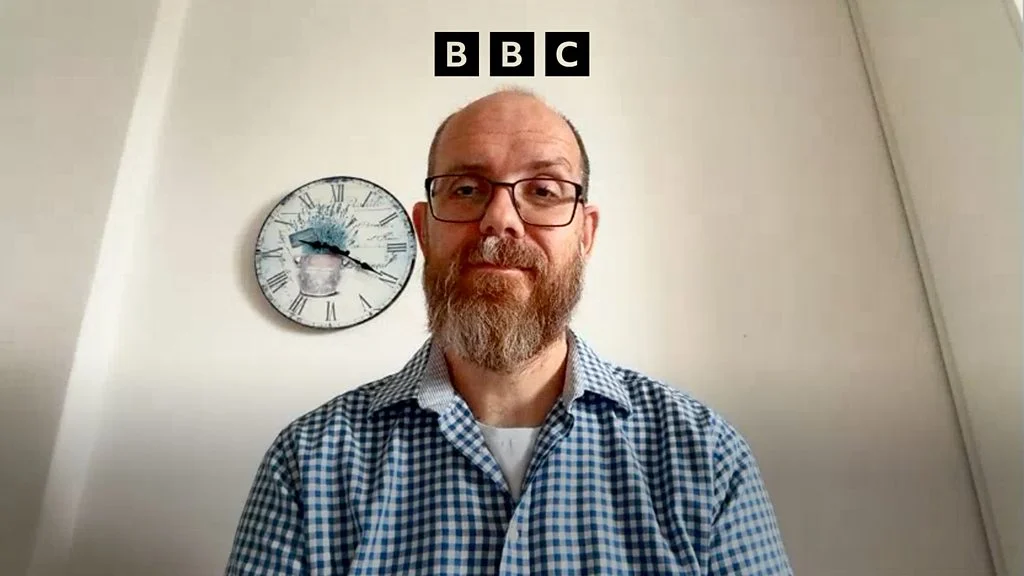
Despite the attractive financial offer, the program has been met with a degree of skepticism from industry professionals. Jordan Schwarzenberger, manager of content creators and founder of management company Arcade, expressed his views to BBC News, stating, "You’re always following audiences as a creator and so this doesn’t fix it. I love Facebook and I love Meta and what they do, but this feels like a bit of a desperate move." Schwarzenberger’s sentiment highlights a prevailing concern among creators and managers: the challenge of shifting audience attention and loyalty to a platform that, in his opinion, has not been a primary focus for many creators for a considerable period.
He further elaborated on the dynamic of audience migration, explaining, "The reality is people go on the platforms before they go for the creators." This implies that even if creators are incentivized to post on Facebook, their existing fan bases might not necessarily follow them there, especially if those fans are already deeply engaged with content on platforms like TikTok and YouTube. Schwarzenberger pointed out that audiences are likely to find the same content on other platforms where they already spend their time, diminishing the unique draw of Facebook for these users. "They’ll probably also get that same content on TikTok, on Instagram, on the other platforms that they’re actually spending time on," he added, emphasizing the competitive landscape.
The financial aspect of the program also drew criticism. Schwarzenberger argued that the offered amounts are "definitely not enough" for established creators with a million or more followers. He reasoned that these creators typically command significantly higher earnings through brand deals or direct revenue streams from platforms like YouTube or through membership programs. The $3,000 per month for 15 Reels translates to approximately $200 per video, a figure that Schwarzenberger believes "doesn’t even cover production costs for some creators." This makes the proposition financially unviable for many, questioning the long-term sustainability of such an arrangement for high-earning influencers.
Beyond the direct payment, creators participating in the program will also gain access to Facebook’s broader monetization tools, which pay based on metrics like view count and watch time. However, Schwarzenberger is of the view that these additional benefits will primarily attract smaller creators, whose participation would have "no real impact and won’t really bring any audiences." His assessment suggests that the program, while financially appealing on the surface, may not be effective in fundamentally shifting the creator ecosystem or significantly boosting Facebook’s short-form video engagement with a highly influential audience.
The strategy reflects a broader trend in the digital content landscape, where platforms are increasingly vying for creator attention and the lucrative short-form video market. Meta’s substantial investment in this program underscores its commitment to diversifying its content offerings and challenging the dominance of its rivals. However, the success of the Creator Fast Track program will ultimately depend on its ability to not only attract creators but also to foster genuine audience engagement and retention on the Facebook platform itself. The long-term implications for Meta’s short-form video strategy and its ability to capture a larger share of the creator economy remain to be seen, with industry observers closely watching how this initiative unfolds and whether it can overcome the inherent challenges of audience loyalty and platform prioritization. The move by Facebook is a clear indication of the intense competition in the digital content space, where financial incentives are a key weapon in the ongoing battle for eyeballs and influence.

 George Anjay
 Nakalama John
 Ramos Leo
 Nana Banana