Nana Banana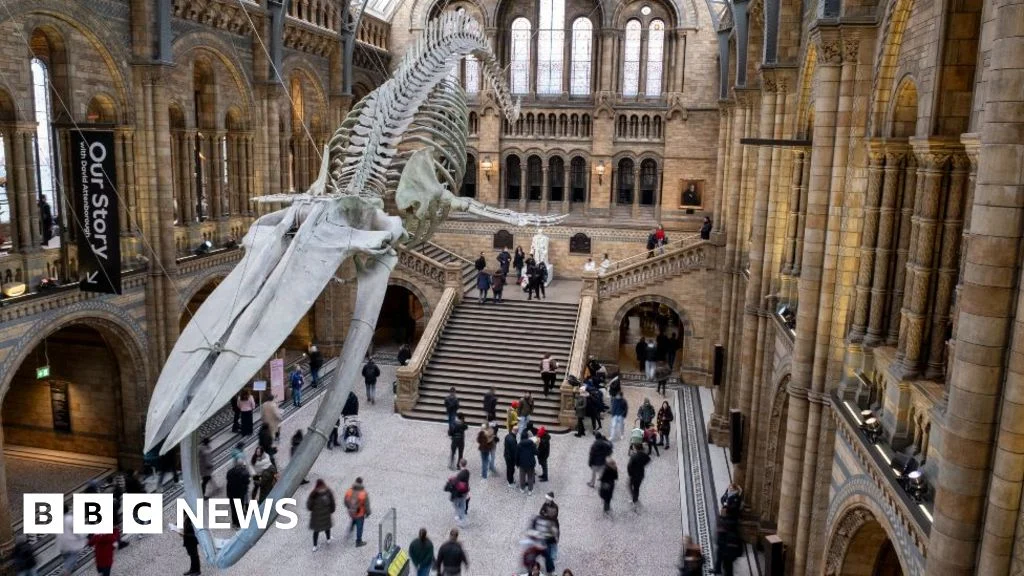
The Natural History Museum in London has officially claimed the prestigious title of the UK’s most popular tourist attraction for 2025, marking a historic achievement by breaking the record for the highest number of visitors to any museum or gallery in a single year. This monumental success saw the iconic South Kensington institution welcome an astonishing 7.1 million visitors over the twelve-month period, representing a significant 13% increase compared to its 2024 figures. This surge in popularity propelled the Natural History Museum to the top of the annual chart compiled by the Association of Leading Visitor Attractions (Alva), a position it has secured for the very first time.
The museum’s triumph unseats the British Museum, which had held the coveted top spot for the preceding two years, demonstrating a notable shift in the landscape of UK cultural tourism. While the British Museum, Windsor Great Park (The Crown Estate), Tate Modern, and the National Gallery still rounded out the top five most visited sites, the Natural History Museum’s record-breaking performance underscored a burgeoning public appetite for engaging with the wonders of the natural world.
According to Alva, the umbrella body representing 409 of the UK’s premier visitor attractions, total visits across its network continued to rise in 2025. However, despite this positive trend, overall visitor numbers remained just below pre-Covid levels, indicating an ongoing, albeit steady, recovery for the sector. Bernard Donoghue OBE, Director of Alva, offered insightful commentary on the current economic climate’s influence on leisure choices. He highlighted that "Visitor attractions are the places that people prize most and provide the experiences that people, even in a cost-of-living crisis, are most loathe to give up." This sentiment suggests a resilient demand for cultural and recreational outings, even as households navigate financial constraints.
Donoghue further elaborated on consumer behaviour, stating, "In a time of unpredictable futures, uncertain economics, global insecurities, economic challenges, and an ongoing cost-of-living crisis, the UK public are more tactical than ever in deciding how they spend their leisure pounds and their leisure hours." This strategic approach by the public means attractions must continually innovate and offer compelling value to capture and retain visitors. The Natural History Museum’s success is a testament to its ability to meet this challenge head-on.
The museum’s allure is multifaceted, stemming from its awe-inspiring architecture, world-class scientific collections, and engaging public programming. Its grand Hintze Hall, dominated by the colossal 25.2-metre-long skeleton of a blue whale named "Hope," has become an iconic draw since its installation in 2017, replacing the beloved dinosaur, Dippy. This majestic centrepiece, alongside its renowned dinosaur gallery featuring the animatronic T-Rex, countless geological specimens, and the fascinating Darwin Centre, offers a captivating journey through Earth’s history and biodiversity. The museum’s dedication to education, research, and conservation resonates deeply with visitors of all ages, fostering a sense of wonder and encouraging a greater understanding of the planet.
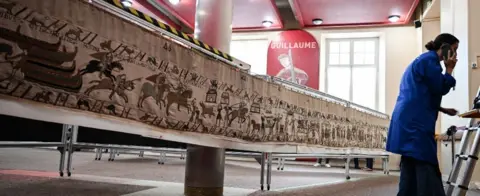
While the Natural History Museum celebrated its unprecedented success, the British Museum, a long-standing titan of cultural heritage, prepares for what is anticipated to be a particularly strong year ahead. The highly anticipated arrival of the Bayeux Tapestry, set to go on display from September 2026, is expected to generate immense interest and draw significant crowds. This historic textile, depicting the events leading up to the Norman Conquest of England, represents a monumental cultural loan and will undoubtedly reaffirm the British Museum’s position as a global leader in showcasing human history and artistic achievement. The contrast between the two institutions’ primary focuses – the natural world versus human civilization – highlights the diverse and rich tapestry of cultural offerings available in the UK.
Dr. Doug Gurr, the director of the Natural History Museum, expressed immense pride and gratitude for the achievement. "We are thrilled to have topped the chart and to have welcomed a record-breaking number of visitors," he stated. "These exceptional results reflect our unwavering focus on delivering a fantastic day out for every visitor, as well as the dedication of our colleagues who work tirelessly to create unforgettable experiences and world-class exhibitions." Dr. Gurr emphasized the broader significance of these figures, adding, "We should all take heart from these figures. Welcoming 7.1 million visitors demonstrates the enormous public appetite to engage with the wonders of the natural world and UK cultural attractions." This underscores the museum’s role not just as an attraction, but as a vital hub for scientific literacy and public engagement.
Alva’s comprehensive data revealed that the total number of visits across its 409 member sites reached 165 million in 2025. While this marked a healthy 2% increase compared to the previous year, it still fell short of the 170 million visits recorded in 2019, prior to the disruptive impact of the Covid-19 pandemic. This suggests that while domestic tourism and cultural engagement are on an upward trajectory, a full return to pre-pandemic levels, particularly concerning international visitor numbers, is still underway.
Beyond the top two, other major attractions also demonstrated significant pulling power. Royal Museums Greenwich, with its iconic Cutty Sark, National Maritime Museum, and Royal Observatory, along with the National Museum of Scotland, Royal Botanic Gardens Kew, the Royal Shakespeare Company London, Edinburgh Castle, and National Galleries Scotland, all successfully attracted more than 2 million visitors each. These diverse venues, ranging from historical landmarks to world-renowned botanical gardens and theatrical institutions, highlight the breadth of experiences available across the UK. Further down the list, but still boasting impressive figures, the Royal Albert Hall, Westminster Abbey, Barbican Centre, and the National Portrait Gallery each welcomed over 1.5 million people, cementing their status as cultural cornerstones.
Several specific events and strategic initiatives contributed to notable increases at particular attractions throughout the year. The eagerly anticipated re-opening of the Sainsbury Wing at the National Gallery, following extensive refurbishment, drew art enthusiasts back in droves. Seasonal events, particularly around Halloween and Christmas, proved to be powerful drivers for venues such as Chatsworth, Kenwood House, and Blenheim Palace, transforming these historic estates into festive destinations and extending their visitor season.
The Houses of Parliament experienced a remarkable 47% increase in visitors, reaching 823,000, a surge likely attributed to enhanced public access tours and educational programmes that allow greater insight into the UK’s democratic processes. Similarly, the Royal Academy of Arts celebrated its most successful Summer Exhibition since the pandemic, resulting in a 20% increase to 740,000 visitors, showcasing the enduring appeal of contemporary art.
Innovation in the museum sector also saw new entrants making an impact. The V&A East Storehouse, a pioneering new cultural quarter in East London, debuted impressively in 107th place. Attracting 416,000 visitors in less than seven months, it significantly exceeded its initial visitor targets for its inaugural year. This success points to a growing demand for accessible cultural storage facilities that offer unique behind-the-scenes experiences and engagement with vast collections.
Regionally, visitor numbers also saw encouraging growth outside of the capital. Scotland reported a 2.6% increase in visits to its attractions, while Wales saw a 0.9% rise. In England, outside London, the North West region recorded the biggest year-on-year growth, up by an impressive 11.3%, indicating a robust recovery and strong appeal for its diverse offerings, from cultural institutions to natural landscapes. The East Midlands also performed well, showing a 7.5% increase. These regional successes are crucial for distributing the economic benefits of tourism more widely across the country.
The Natural History Museum’s stellar performance in 2025 is more than just a win for one institution; it’s a beacon of hope for the entire UK tourism sector. It demonstrates that strategic investment in visitor experience, compelling exhibitions, and a deep understanding of public interest can yield extraordinary results, even in challenging economic times. As the sector continues its journey towards full recovery, the lessons learned from the Natural History Museum’s triumph, coupled with the anticipation surrounding future attractions like the Bayeux Tapestry, set a positive precedent for the dynamism and resilience of the UK’s cultural landscape.



 George Anjay
 Nakalama John
 atisusanti
 Ramos Leo