George Anjay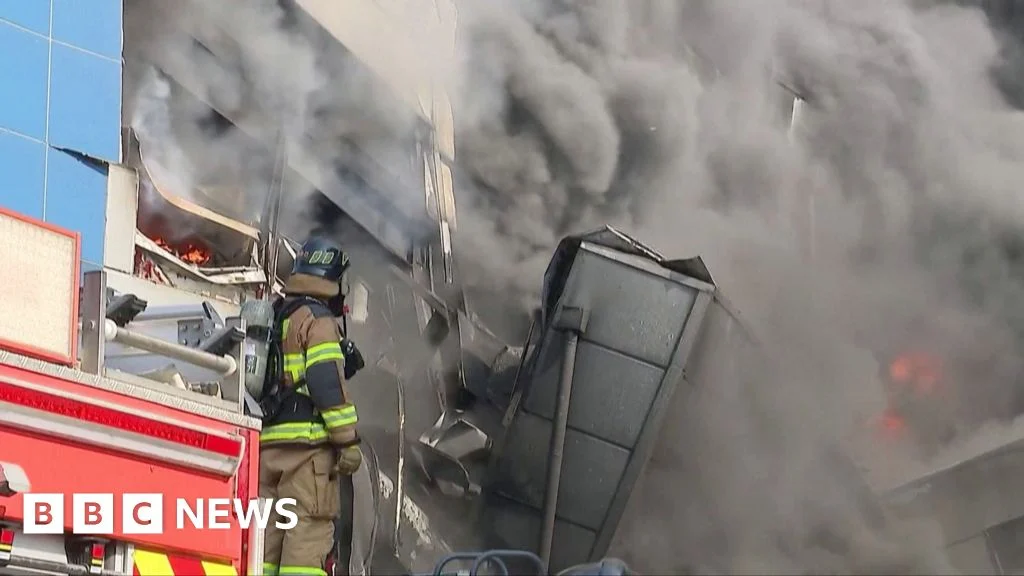
At the time of the incident, a total of 170 workers were present inside the sprawling facility, a number that underscores the potential for a catastrophic loss of life. Initial attempts by firefighters to breach the building were met with insurmountable obstacles. Concerns for the structural integrity of the plant loomed large, with the ever-present threat of a catastrophic collapse posing an immediate and severe danger to any rescue personnel. Compounding these risks was the volatile presence of sodium stored within the facility, a highly reactive substance that could have exacerbated the inferno exponentially, creating an even more perilous environment. The decision to delay entry, while agonizing, was a necessary measure to prioritize the safety of the brave men and women battling the blaze.
As the relentless flames continued their destructive path, a somber overnight search commenced for the missing individuals, a desperate endeavor undertaken only after the building was assessed and deemed stable enough for limited entry. The meticulous and perilous operation involved specialized teams navigating the charred remains, meticulously sifting through debris in the faint hope of finding survivors or recovering the deceased. The emotional toll on the families of those missing and injured was immeasurable, as they waited anxiously for any news, their hopes dwindling with each passing hour.
The precise cause of the catastrophic blaze remained an enigma in the immediate aftermath, with authorities launching a comprehensive investigation to unravel the sequence of events that led to such widespread destruction. However, preliminary observations indicated that the fire spread with alarming rapidity, suggesting the presence of highly flammable materials or an ignition source that facilitated its swift and uncontainable expansion. The plant, a critical component of the automotive supply chain, manufactured a range of essential car parts, and the loss of its operational capacity, coupled with the human cost, is expected to have significant repercussions for the industry.
The investigation is expected to delve into various potential contributing factors, including the possibility of an electrical fault, a malfunction in machinery, or even human error. The sheer scale of the fire suggests that multiple factors may have converged to create the perfect storm for such a devastating event. Investigators will be meticulously examining the plant’s safety protocols, maintenance records, and the storage of any hazardous materials to determine if negligence played a role. The presence of sodium, in particular, will be a focal point of the inquiry, as its storage and handling procedures will be scrutinized to ensure compliance with stringent safety regulations.
The economic impact of the fire is also a significant concern. The plant, a substantial employer in the region, provided livelihoods for hundreds of workers, and its destruction will undoubtedly lead to job losses and economic hardship for the local community. The disruption to the automotive supply chain could also have wider implications, potentially leading to production delays for car manufacturers reliant on the plant’s output. Recovery and rebuilding efforts are anticipated to be lengthy and costly, requiring substantial investment and strategic planning.
In the wake of such a tragedy, questions about workplace safety regulations and their enforcement are inevitably raised. While South Korea has robust industrial safety standards, this incident serves as a grim reminder that vigilance and continuous improvement are paramount. Authorities are expected to review and potentially enhance existing regulations to prevent similar disasters from occurring in the future. The human element of workplace safety, encompassing training, awareness, and a culture that prioritizes well-being, will be a crucial area of focus.
The stories of survival and heroism are also beginning to emerge from the ashes. Accounts from workers who managed to escape the inferno paint a harrowing picture of the chaos and desperation that ensued. Many recounted moments of sheer panic, the struggle to navigate through thick smoke, and the selfless acts of colleagues who aided one another in their desperate bid for survival. The bravery of the firefighters, who risked their lives to combat the blaze and conduct rescue operations, has been widely lauded. Their unwavering dedication in the face of extreme danger is a testament to their commitment to public service.
The psychological toll on the survivors, rescuers, and the wider community is likely to be profound. The trauma of witnessing such destruction and the loss of life can leave lasting scars. Support services, including counseling and mental health assistance, will be crucial in helping those affected to cope with their experiences and begin the process of healing. The collective grief and shock will undoubtedly ripple through the community for some time to come.
The international community has also expressed its condolences and offered support to South Korea during this difficult time. Such tragedies transcend national borders, reminding us of our shared humanity and the importance of mutual assistance in times of crisis. The rebuilding process will likely involve collaboration and shared expertise, with lessons learned from this incident being disseminated to prevent similar occurrences globally.
As the investigation progresses, the focus will remain on providing support to the victims and their families, ensuring a thorough and transparent inquiry, and implementing measures to prevent future tragedies. The charred remains of the car parts plant stand as a somber monument to the devastating consequences of such an event, a stark reminder of the fragility of life and the importance of safety, preparedness, and community resilience. The thick smoke that once billowed from the plant has now dissipated, leaving behind a void filled with sorrow, unanswered questions, and a collective resolve to learn from this tragic incident. The path forward will be one of remembrance, recovery, and a renewed commitment to ensuring the safety and well-being of all.


 Nakalama John
 Ramos Leo
 Nana Banana