George Anjay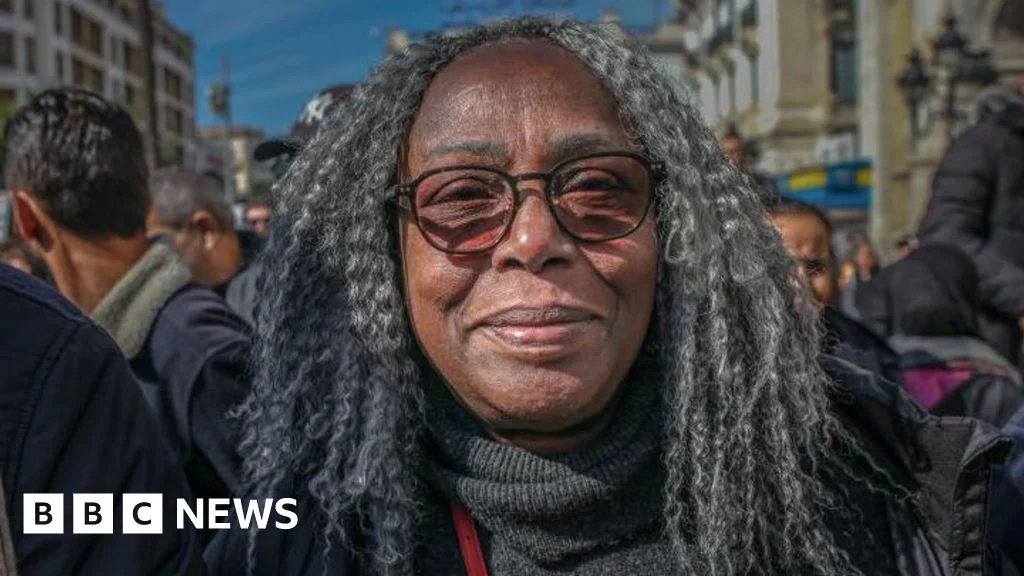
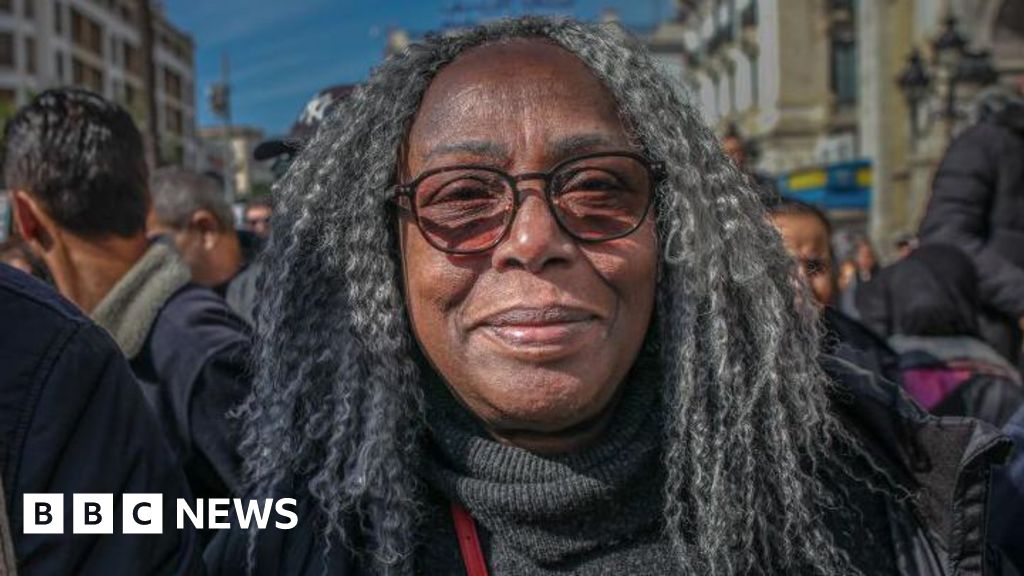
The sentencing of Saadia Mosbah, the leader of the anti-racism organization Mnëmtý, arrives at a critical juncture for Tunisia, a nation grappling with an escalating crackdown on dissent and a deteriorating human rights landscape. Mosbah has been a tireless champion for the rights of sub-Saharan African migrants, a group that has faced increased scrutiny and hostility in Tunisia, particularly following a controversial speech by President Kais Saied in 2023. In that address, the president characterized "hordes of illegal migrants" as a demographic threat, a rhetoric that many human rights organizations and activists believe has emboldened xenophobia and discrimination.
Mosbah’s activism has placed her at the forefront of defending vulnerable communities against such harmful narratives and discriminatory practices. Her organization, Mnëmtý, has been instrumental in providing support, legal aid, and advocacy for migrants facing precarious living conditions and systemic prejudice. The charges brought against her, including money laundering and illicit enrichment, are viewed by her supporters and legal representatives as baseless and a deliberate attempt to silence a critical voice.
Hela Ben Salem, Mosbah’s lawyer, expressed profound dismay at the verdict, describing it as a "major shock" and a clear indication of a broader strategy "to dismantle civil society groups and shift responsibility for the state’s failure to address the migrant issue onto these groups." This sentiment is echoed by numerous national and international human rights organizations, who have decried the ruling as a severe blow to freedom of expression and association in Tunisia.
The trial, which concluded with Thursday’s sentencing, also saw other activists facing charges. Mosbah’s son was sentenced to three years in prison, and another campaigner received a two-year term, according to reports from AFP. The legal proceedings have been closely monitored, with lawyers for the defendants arguing for their clients’ innocence throughout the process. The defense has highlighted the lack of concrete evidence to support the money laundering and illicit enrichment claims, suggesting that the charges are politically motivated.
The timing of the verdict is particularly concerning, coming just a day after two influential human rights bodies, the Observatory for the Protection of Human Rights Defenders and the World Organisation Against Torture, issued a joint appeal for Mosbah’s immediate release. Citing her advanced age and reported health concerns, these organizations urged Tunisian authorities to reconsider her detention. Their statement underscored that Mosbah’s prosecution is "part of a broader pattern of intensifying repression of civil society in Tunisia." They pointed to a disturbing trend that includes legal actions against other human rights defenders, orchestrated media smear campaigns aimed at discrediting activists, and the imposition of new restrictions on non-governmental organizations (NGOs) engaged in migration-related work.
Since President Saied dissolved the parliament in 2021 and assumed broad executive powers, opposition figures and rights groups have consistently warned of a significant erosion of democratic norms and fundamental freedoms in the North African nation. The legal actions against activists like Mosbah are seen as further evidence of this trend, with critics arguing that the government is using the justice system to suppress any form of opposition or critical voice.
The international community and human rights advocates are increasingly concerned that this intensified crackdown will not only stifle independent advocacy but also severely hinder vital humanitarian work within the country. The space for independent organizations to operate and provide essential services, particularly to vulnerable populations like migrants, is rapidly shrinking. This creates a dangerous vacuum, potentially leaving many in need of protection and support without recourse.
The case of Saadia Mosbah serves as a critical indicator of the challenges facing civil society in Tunisia. Her conviction and lengthy prison sentence are likely to have a chilling effect on other activists and organizations working on sensitive issues. The international community continues to call for a reversal of this trend, urging the Tunisian government to uphold its commitments to human rights and to create an environment where civil society can operate freely and without fear of reprisal. The hope is that dialogue and international pressure can lead to a re-evaluation of these policies and a restoration of fundamental freedoms for all Tunisians and those seeking refuge within its borders. The focus remains on the potential for further restrictions on humanitarian efforts and a significant narrowing of the avenues for independent advocacy, particularly concerning the rights and well-being of migrants.


 Nakalama John
 Ramos Leo
 Nana Banana