
 Ramos Leo
A palpable sense of anxiety permeates Westminster. As one minister confided, there’s a profound concern about the public’s dwindling faith in their leaders’ capacity to effectively prioritize and protect the nation. This apprehension is heightened by the International Energy Agency’s stark warning of what could become "the greatest global energy security threat in history," a crisis with far-reaching implications for the UK’s economy and its citizens. Furthermore, the government’s recent decision to permit the United States to launch strikes on Iranian sites targeting the vital Strait of Hormuz from British bases has sparked considerable debate. Doubts linger over whether this increased involvement in the conflict enjoys widespread public support, a crucial factor as the nation braces for potential repercussions.
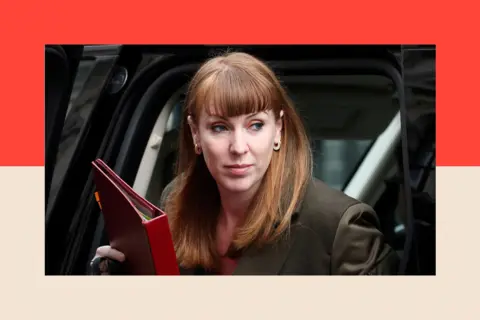
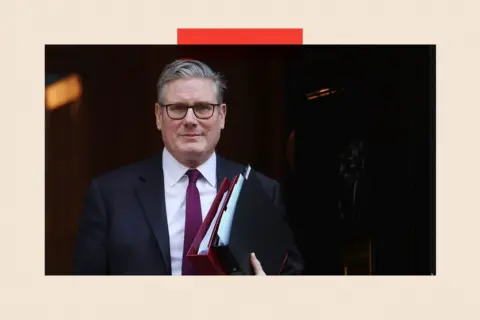
The looming local elections, just weeks away, offer millions of voters a critical opportunity to cast their verdict on the political establishment. Early polls suggest a fragmented and unpredictable outcome, far from the neat and ordered mandates politicians might hope for. While the Prime Minister is consumed by an international conflict he neither initiated nor possesses the sole power to resolve, elements within his own party appear determined to exacerbate his challenges. Foremost among these is his former deputy, Angela Rayner, whose recent, highly public re-emergence has sent ripples through Labour ranks.
Rayner has positioned herself at the forefront of a group of Labour MPs vehemently opposing Home Secretary Shabana Mahmood’s proposed immigration reforms. The contentious package includes a plan to extend the waiting period for most migrants to gain permanent residency in the UK from five to ten years. This group is reportedly considering forcing a vote in the Commons unless Mahmood significantly alters her proposals. Sources close to the Home Secretary, however, remain steadfast, convinced that a stricter stance on immigration aligns with public sentiment. They argue that voters are more likely to shift allegiance to Reform UK due to perceived leniency on immigration than to the Green Party over harshness, asserting that "Once again we have people out of step with the country."

Mindful of the significant parliamentary resistance encountered during previous attempts at welfare reform, which hit a "brick wall," the Home Secretary is reportedly planning a more gradual implementation of her desired changes, introducing them incrementally rather than in one grand legislative showdown. This strategic approach aims to diffuse potential opposition and prevent a consolidated "bust-up" in Parliament. Nonetheless, senior ministers are acutely aware of the risks inherent in such internal squabbles, particularly amidst the escalating crisis in Iran. One official cautioned colleagues against divisive infighting, stressing that "Anyone thinking about it should take a deep breath and focus on the reward we could get with unanimity." Another frustrated voice lamented the timing, describing it as "classic fighting amongst ourselves when we should be focusing on the world and trying to govern."
The internal dispute escalated dramatically with Angela Rayner’s intervention. Beyond merely debating technicalities in the Commons, Rayner delivered a powerful speech in London, where she lambasted the government’s immigration proposals as "un-British." In a pointed remark that resonated widely, she also declared that "the survival of the Labour Party is at stake" and that it was "running out of time." Her comments have drawn a mixed reaction. Some colleagues have grumbled privately, questioning the appropriateness of someone currently under investigation for tax matters "lecturing Keir on British values." Others interpret her recent public profile, including various speaking engagements in the City, as a clear indication that she is positioning herself for a leadership challenge, particularly if Labour suffers significant losses in the upcoming May elections.
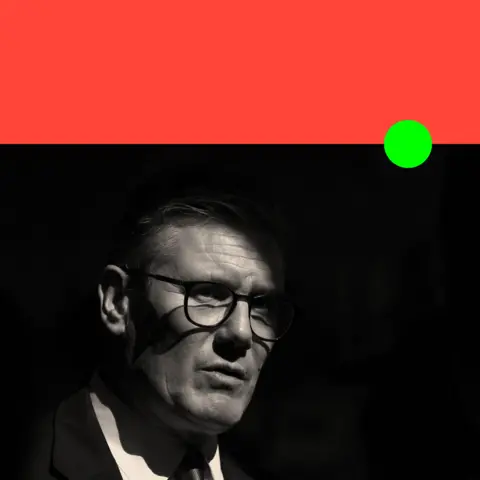
To many, the very discussion of leadership contests feels self-indulgent and ill-timed, given the gravity of the situation in the Middle East. Indeed, the international crisis had temporarily pushed Labour’s internal divisions off the front pages and fostered a sense among some MPs that this was not the moment for a challenge. Yet, Rayner’s recent foray into the public discourse underscores that while concerns about the government’s direction may have receded from immediate view, they are far from forgotten. Starmer cannot take his party’s unwavering support for granted, especially on controversial policies like immigration. The underlying leadership angst persists and could well resurface with renewed vigour after May.
Wise heads within the party also point to a significant shift in Labour’s power structures anticipated later in the year. Over the summer, elections for the National Executive Committee (NEC) are scheduled. Historically, Starmer has relied on the NEC to consolidate his authority, as demonstrated when he secured their backing to prevent Andy Burnham from running as an MP. A change in the NEC’s composition by the end of summer could significantly alter this dynamic, potentially rendering Starmer’s position more precarious.
In the immediate term, however, the focus for the government remains on demonstrating competence amidst chaos. As one government source put it, "The world is on fire and we are doing what we can to protect people, but we also have to show we can chew gum and walk forward." This narrative is crucial for Labour in the run-up to the May elections, where they are attempting to project an image of practical governance. Their campaign, themed "Pride in Britain," will highlight plans to inject cash into local communities for high street revitalization, playgrounds, community pubs, and other grassroots projects. Given the government’s current standing in the polls, it is fair to question whether such promises alone will be sufficient to sway public opinion. Communities Secretary Steve Reed is expected to elaborate on these initiatives. The hope within government circles is that tangible, localized change, flowing directly from Whitehall to community projects, can create a palpable political impact, despite the constant global turmoil. The government source articulated this aspiration: "We are trying to do very visible change so people say ‘Ah OK, there is a government out there that actually has its hands on the wheel, despite almost perma-crisis around the world’."
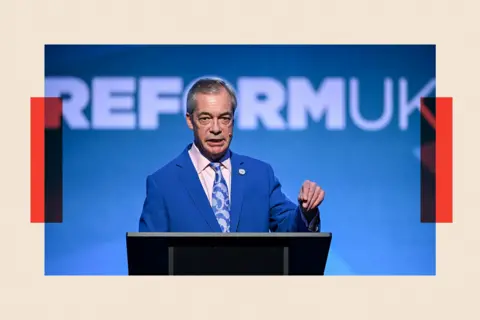
The May elections are not merely a proving ground for Starmer and an opportunity for his internal critics; they represent a significant moment for other political parties to gain traction. In 2026, the political landscape is crowded with challengers eager to capitalize on public dissatisfaction. One of the most prominent is Reform UK. While there’s a consensus in both senior Labour and Tory circles that Reform’s rapid ascent has plateaued, and their polling dominance has waned compared to last year, they remain a potent force. Their leader, Nigel Farage, recently faced embarrassment after a newspaper investigation revealed he had recorded clips on the video message platform Cameo supporting a man convicted of violent disorder and promoting an event by a neo-Nazi group. Reform defended Farage, stating he had ceased using the account for security reasons and had operated the platform in good faith. This incident highlights Reform’s entry into a new phase, one marked by increased scrutiny, as explored in the documentary "Reform: Ready to Rule?"
Adding another layer to the right-wing challenge is Restore UK, a new party founded by Rupert Lowe, a former Reform MP who had a highly publicized split with his previous party. Restore UK is actively building an online following and has officially registered as a political entity. Intriguingly, it claims to have surpassed the Conservative Party in membership numbers, though such figures are often closely guarded. They aspire to secure seats in Great Yarmouth in May, with party sources asserting their growth stems from "saying things that people want to hear, not the woke stuff that is being peddled." However, in national polls, Restore UK has yet to make a meaningful impact, leaving Reform as the primary challenger to both Starmer and Kemi Badenoch.
Badenoch’s position within her own party has solidified considerably since the early days of her leadership, yet the Conservatives are still bracing for a challenging night in May. Regardless of the specific election outcomes, the broader political picture, as consistently reflected in "poll of polls" surveys, shows a fragmented and unpredictable landscape. Labour, the Conservatives, and the Greens often cluster around modest poll levels in the high teens, with the Liberal Democrats consistently in fourth place, and Reform frequently topping the charts. When factoring in strong showings for Plaid Cymru in Wales, the SNP in Scotland, and the complex, distinct political dynamics of Northern Ireland, a deeply fractured and unstable national picture emerges.
The very fabric of British politics is in flux, with traditional expectations of stability increasingly fraying. This profound instability coincides with a period where the weight of decisions facing politicians grows daily: navigating the path between war and peace, confronting a potentially severe economic shock, and ensuring the nation’s fundamental energy security. The question, "Is there ‘a lot of anxiety around’?" posed by the minister, is met with an emphatic affirmation. The current political climate is one of deep uncertainty, both at home and abroad.




 Roy Suryo

 Nakalama John
 atisusanti
