Nakalama John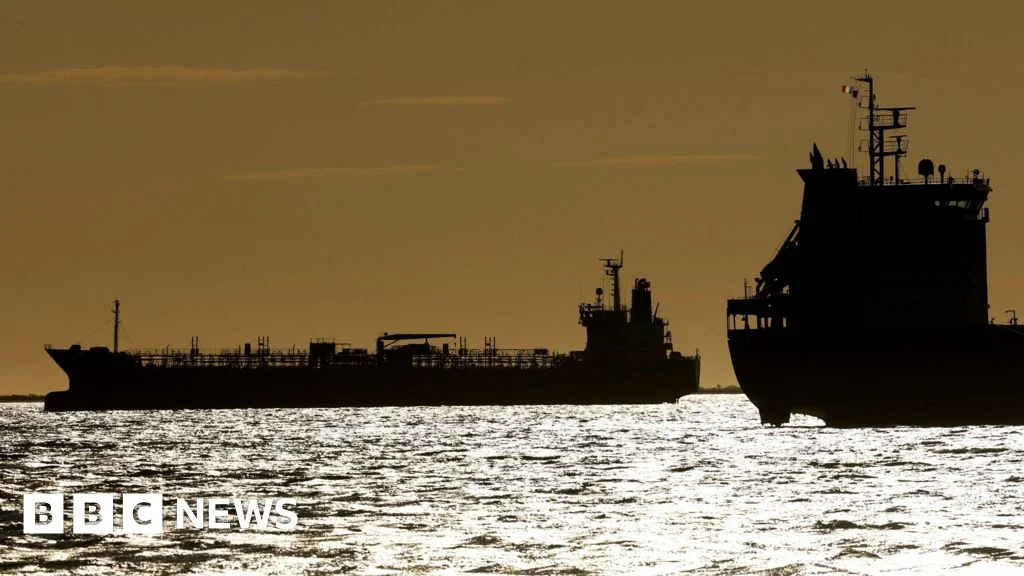
In a significant policy pivot, the United States has announced the temporary lifting of sanctions on a specific tranche of Iranian oil, a move designed to alleviate mounting pressure on global energy markets. The decision, revealed amidst soaring energy prices and widespread geopolitical instability, marks a striking departure from years of stringent American policy aimed at isolating Iran’s oil sector. Treasury Secretary Scott Bessent confirmed the issuance of a narrowly tailored, short-term authorization, permitting the sale of Iranian crude oil and petroleum products currently languishing at sea.
This authorization, effective until April 19, allows for the immediate sale and delivery of approximately 140 million barrels of Iranian oil that have been stranded on tankers due to existing sanctions. Secretary Bessent highlighted that the primary objective is to swiftly inject this substantial volume of crude into the global supply chain, thereby addressing the severe supply shock impacting international markets. The US administration finds itself in an "every-barrel-counts" situation, desperately seeking to bolster supply wherever possible to curb escalating fuel costs that are burdening consumers and industries worldwide.
For years, US sanctions had severely curtailed Iran’s ability to export its oil, a cornerstone of its economy. Prior to the recent global energy crisis, China had emerged as the principal, albeit clandestine, buyer of Iranian crude, often acquiring barrels at steep discounts given the risks associated with violating US sanctions. The "maximum pressure" campaign, initiated under previous administrations, had sought to choke off Iran’s revenue streams, particularly those derived from oil exports, to compel changes in its nuclear program and regional activities. The current reversal underscores the unprecedented economic pressures confronting the US and its allies, forcing a re-evaluation of long-held foreign policy strategies.
Secretary Bessent articulated a strategic rationale behind the temporary waiver during an interview with Fox Business, suggesting that easing sales restrictions could redirect Iranian supplies to other oil-hungry nations like India, Japan, and Malaysia. This, he argued, would simultaneously compel China to pay "market price" for its oil imports, indirectly benefiting other economies by diversifying supply. Bessent further asserted on social media platform X that Iran would face significant hurdles in accessing any revenue generated from these oil sales, reiterating the US commitment to "continue to maintain maximum pressure on Iran" despite the temporary reprieve. This delicate balancing act aims to stabilize global energy prices without inadvertently enriching the Iranian regime, a complex challenge given the fungible nature of funds.
However, the policy shift has been met with skepticism and criticism from various quarters. David Tannenbaum, director of Blackstone Compliance Services, a consultancy specializing in maritime sanctions, dismissed the idea as "bananas." He voiced concerns that allowing Iran to sell its oil, even under restrictive conditions, could inadvertently provide the regime with much-needed funds, potentially bolstering its resources at a time when the US remains fundamentally opposed to its actions and policies. The notion that the US can effectively prevent the Iranian government from benefiting from these sales, he implied, might be overly optimistic.
Rachel Ziemba, an adjunct senior fellow at the Center for a New American Security, a prominent think tank, echoed these reservations. She cautioned that the authorization was unlikely to be a "game changer" for global prices and raised "a whole lot of questions" regarding its practical implementation. Ziemba highlighted the inherent difficulty in ensuring that proceeds from oil sales do not ultimately find their way into the coffers of the Iranian government, regardless of the stated intentions of the US Treasury. The temporary nature of the authorization, coupled with potential logistical hurdles in arranging sales and shipments, further limits its potential long-term impact on global supply and pricing dynamics.
Despite these criticisms, some financial experts have offered a more positive assessment of the Trump administration’s tactical move. David Malpass, the former president of the World Bank, described it as a "narrow action that should cause downward pressure on oil prices outside China." He also posited that the measure "should also reduce Iran’s oil revenue and undercut its military" – an interpretation that suggests the US is carefully orchestrating the sales to limit Iran’s financial gains while maximizing market impact. Malpass further praised the decision on X, aligning it with a series of recent US initiatives designed to enhance energy supplies, including waivers on the Jones Act (which mandates US-flagged ships for domestic maritime transport), efforts to open pipelines, and plans for building new refineries. These actions collectively reflect a comprehensive strategy to combat the energy crisis.
The current authorization to release Iranian oil is not an isolated incident but rather part of a broader, multi-pronged effort by the US to mitigate the global energy crunch. The administration has already tapped into its Strategic Petroleum Reserve, releasing millions of barrels of oil to supplement market supply. Furthermore, the US had previously suspended some sanctions on Russian oil, a decision that triggered significant blowback from European leaders. Critics argued that easing pressure on Russian energy exports would only serve to strengthen President Vladimir Putin’s regime and prolong the war in Ukraine, highlighting the delicate and often contradictory choices policymakers face when balancing economic stability with geopolitical objectives.
The underlying cause of the severe supply shock is deeply rooted in ongoing global conflicts and geopolitical tensions. Approximately one-fifth of the world’s daily oil consumption, totaling around 100 million barrels, typically transits through the Strait of Hormuz, a crucial choke point along Iran’s coast. However, since the onset of the war in Ukraine at the end of February, shipping in this vital channel has experienced significant disruptions. While some oil shipments have been successfully re-routed, experts estimate that the broader geopolitical instability, including the war in Ukraine and its ripple effects, has effectively removed about a tenth of the world’s total oil supply from the market.
Adding to these concerns are reports of damaging tit-for-tat attacks on a key gas field jointly operated by Iran and Qatar. Such incidents escalate the risk that global capacity for providing fossil fuels could be constrained for years, even if the primary conflicts are resolved relatively quickly. The interconnectedness of energy markets and geopolitical stability means that regional flare-ups can have far-reaching and long-lasting consequences for global supply and prices.
In essence, the US decision to temporarily lift sanctions on some Iranian oil reflects a pragmatic, albeit controversial, response to an urgent economic imperative. It underscores the immense pressure on the administration to stabilize energy prices, even if it means navigating a complex ethical and political landscape that involves engaging, however indirectly, with a long-standing adversary. The effectiveness of this limited authorization in significantly impacting global prices and its implications for US-Iran relations remain highly uncertain, highlighting the intricate balancing act between economic necessity and geopolitical strategy in a volatile world.



 George Anjay
 atisusanti
 Ramos Leo
 Nana Banana