Ramos Leo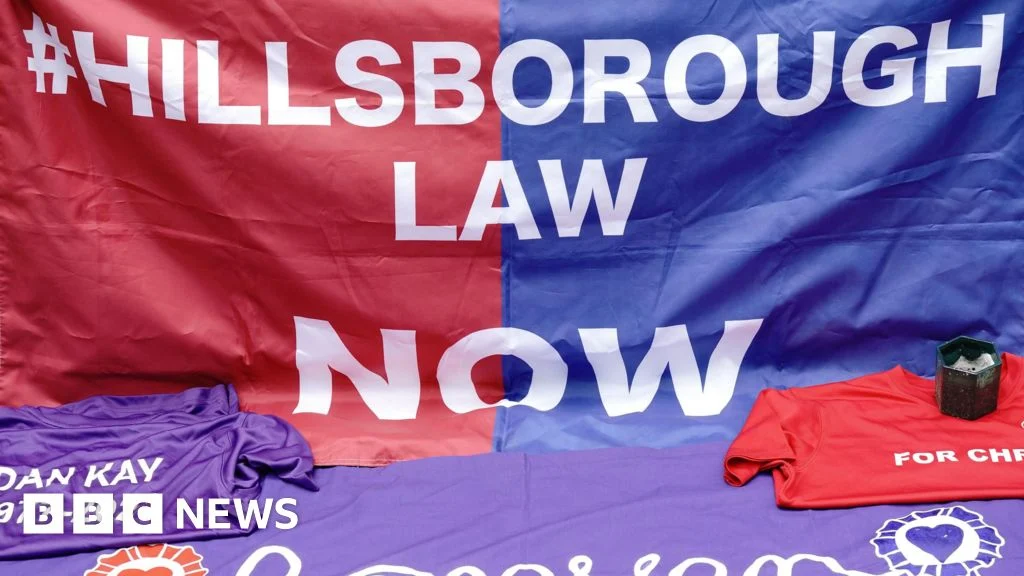
The Hillsborough Law, often referred to as a "Duty of Candour" bill, seeks to impose a legal obligation on public bodies and officials to cooperate fully and truthfully with official inquiries and investigations. Its genesis lies in the catastrophic events of April 15, 1989, at Hillsborough Stadium in Sheffield, where 97 Liverpool FC fans lost their lives in a crush during an FA Cup semi-final match. In the aftermath, police leaders were found to have orchestrated a deliberate campaign of misinformation, disseminating false narratives that unjustly blamed Liverpool supporters for the tragedy, while simultaneously suppressing evidence of their own gross failings in crowd management and emergency response. The proposed law aims to prevent such institutional dishonesty and obfuscation from ever recurring, ensuring that truth and accountability are prioritised in future public tragedies.
Despite the Prime Minister’s previous commitment to pass the legislation by next April, signalling a hopeful resolution to years of advocacy, the government now acknowledges that the bill will need to be carried over into the next parliamentary session. Ministers have expressed their commitment to this continuation, with campaigners holding out hope that it could finally be passed in the autumn. However, Labour MPs, many of whom have been at the forefront of the campaign for justice, are now acknowledging the inevitable delay until the new session but are strenuously pressing the government for a concrete and specific timetable. This demand for clarity comes amidst a backdrop of ministerial reluctance to set firm deadlines, a caution born from numerous previously missed targets that have only served to deepen the frustration of those affected.
The delay is not merely a bureaucratic hurdle; it represents a significant blow to the families who have endured decades of struggle for truth and justice. Their legal team, representing the Hillsborough Law campaign, is scheduled to visit Parliament next week in a determined effort to break the legislative deadlock and galvanise renewed support among parliamentarians. The core tenet of the proposed law, the "duty of candour," is a direct response to the institutional cover-up that followed the Hillsborough disaster, a scandal that profoundly eroded public trust in key state institutions, most notably the police. The law would legally compel public authorities to be open, honest, and proactive in providing information during inquiries, a stark contrast to the defensive and obstructive behaviour witnessed after 1989.
A critical sticking point that emerged in January this year has been a proposed government amendment concerning the intelligence services. This amendment would have granted the heads of intelligence agencies the discretionary power to decide whether to cooperate with public inquiries, citing potential risks to national security. This provision immediately drew fierce criticism from campaigners and family members, who argued it created an overly broad "opt-out" clause that risked fundamentally undermining the spirit and effectiveness of the entire legislation. They pointed to unsettling parallels, such as the allegations that MI5 misled the inquiry into the Manchester Arena bombing, as evidence of the dangers inherent in granting such wide-ranging exemptions.
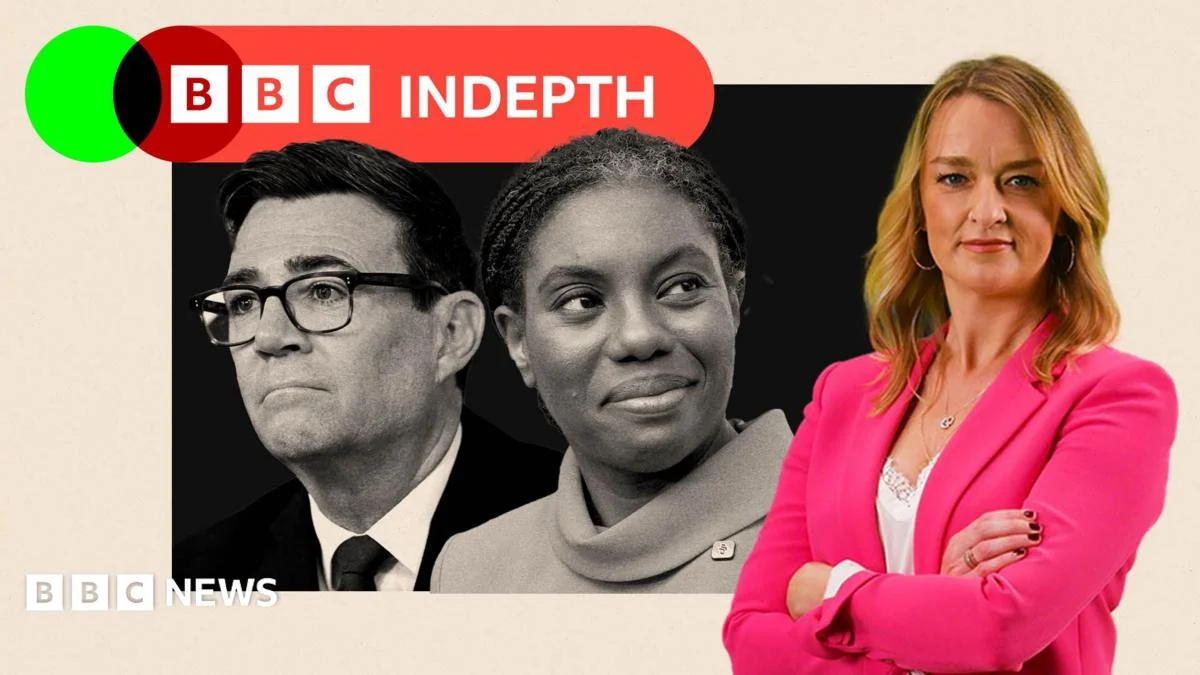
The opposition to this amendment was swift and unified. Greater Manchester Mayor Andy Burnham and Liverpool City Region Mayor Steve Rotheram issued a joint statement, articulating their profound concerns that the proposed change could compromise the integrity of the law. They, along with numerous campaigners, affected families, and Merseyside MPs, firmly believed that such an exemption would defeat the purpose of ensuring full transparency and accountability from all state bodies. The ensuing intense engagement between ministers, government officials, and representatives from both the Hillsborough and Manchester families failed to yield a mutually agreed position on the contentious amendment. Consequently, the legislation was paused, unable to progress without consensus.
Government sources, speaking at the time, conveyed genuine fears that proceeding with the bill without the backing of the bereaved families could ignite a significant political crisis for the government. There was concern that it could lead to widespread criticism of Sir Keir Starmer’s leadership, potentially even posing a serious threat to his position if a prospective leadership candidate were to publicly denounce the plans. The complexity of the negotiation process surrounding this particular amendment is reportedly immense. Insiders reveal that every single adjustment or "tweak" to the proposed intelligence services clause requires clearance from a multitude of government departments, various intelligence agencies, and crucially, the affected families themselves. This intricate web of approvals has made rapid progress exceedingly difficult. There is now a clear recognition that this laborious process cannot be concluded before the King’s Speech, typically expected in May, which formally marks the beginning of a new parliamentary session. Any bills that have not received Royal Assent by this point will "fall," meaning they effectively expire, though they can be reintroduced in the subsequent session.
Ian Byrne, the Labour MP for Liverpool West Derby, who was present at Hillsborough in 1989 and has maintained close, regular contact with the bereaved families, has been a vocal proponent of the law. He had put forward an alternative amendment specifically designed to prevent security services from misleading public inquiries, but this has not been adopted by the government. Expressing his frustration, Mr Byrne told BBC Radio Merseyside that ministers had not provided him with a clear explanation as to why his proposed amendment was deemed unsuitable, and reiterated his willingness to engage in further negotiation. He described meetings since the pausing of the legislation in January as "sporadic" and emphatically stated that he could not "countenance" the legislation being delayed beyond Labour’s annual conference in the autumn, which is coincidentally scheduled to be held in Liverpool, a city still deeply scarred by the Hillsborough tragedy.
Mr Byrne’s impassioned plea underscores the urgency felt by those at the heart of the campaign. He stated: "What we now need is the prime minister to enact the legislation. It has to be the Hillsborough law, no compromise. The government need to get their fingers out. Every single second of delay hurts the families. This is their legacy for those that they lost. It’s so important." His words resonate with the decades-long struggle for justice, which began in the immediate aftermath of the disaster when authorities initially sought to deflect blame onto the victims. The subsequent campaigns led by the families, characterised by their unwavering determination, eventually led to the overturning of original inquest verdicts and the establishment of the Hillsborough Independent Panel in 2012, which exposed the full extent of the institutional cover-up. The 2016 inquests ultimately concluded that the 96 victims were unlawfully killed, and a 97th victim, Andrew Devine, died in 2021 as a result of his injuries, bringing the total to 97.
The proposed Hillsborough Law is viewed not just as a specific measure for this one disaster, but as a universal principle that would safeguard victims and families of future public tragedies, ensuring they are never subjected to the same level of institutional gaslighting and obstruction. It would fundamentally alter the relationship between the state and its citizens during times of crisis, fostering a culture of openness rather than secrecy. The current delay, therefore, is not merely a procedural issue; it is a profound political and moral failing that prolongs the anguish of those who have already suffered immeasurably. The political ramifications for the government are considerable, particularly as they seek to project an image of competence and a commitment to public accountability. For the Labour Party, which has strong historical ties to the Hillsborough campaign, the continued delay represents a significant challenge to their promises and their ability to deliver on a key pledge. The eyes of the nation, and particularly the communities directly affected by Hillsborough and other public disasters, will be closely watching whether the government can finally overcome these hurdles and deliver on a promise that is long overdue.


 Roy Suryo
 Nakalama John
 atisusanti