
 Roy Suryo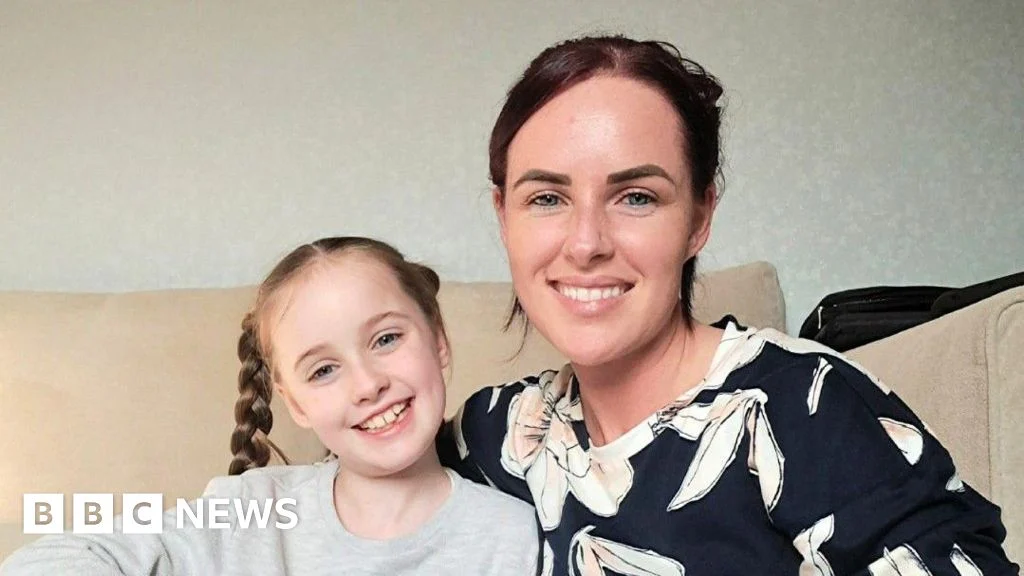
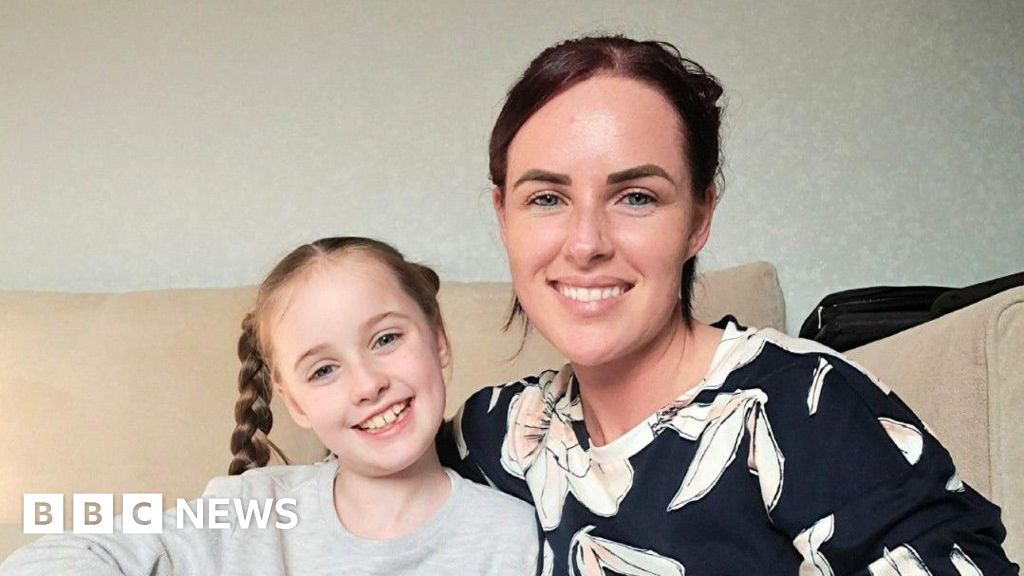
At nine years old, Eliza, like many of her classmates, relishes the joy of birthday parties. However, for Eliza, a slice of the celebratory cake is a rare indulgence. Her diagnosis of coeliac disease four years ago necessitates a strict gluten-free diet, meaning she must meticulously avoid all foods containing gluten – a protein found in wheat, barley, and rye. Her mother, Selina, from Blackburn, Lancashire, poignantly describes it as "all these really delicious foods she can no longer have." Despite this dietary restriction, Eliza’s classmates have demonstrated remarkable kindness and understanding. "I think it’s pretty nice because, especially when it’s someone’s birthday and they’re giving out cakes, they wouldn’t just leave me out," Eliza shared. "They’re good friends and they give me a full packet of Haribo." This unremittingly positive young girl recounted her pre-diagnosis symptoms as "belly aches and everything, and I felt sick but other than that, I just felt like a normal person."
Selina, a devoted mother, had grown increasingly concerned about her daughter’s well-being and proactively requested a blood test, especially after medical professionals initially suspected irritable bowel syndrome. Therefore, Eliza’s eventual diagnosis of coeliac disease, a condition affecting approximately one in 100 adults and children, brought a profound sense of relief. "As soon as you are diagnosed with coeliac disease, you can start a strict gluten-free lifestyle, and that allowed Eliza to be herself and live," Selina explained, highlighting the empowering nature of understanding and managing the condition.
However, the initial period following Eliza’s diagnosis was tinged with anxiety and a sense of irrational guilt for Selina. "You find yourself asking, ‘did I eat the wrong things when I was pregnant?’" she confessed. This introspection soon broadened into worries about Eliza’s future: "You start worrying then, you know, ‘are there foods out there that she’s going to enjoy? Are there going to be foods out there that we can afford?’" The fear of social exclusion loomed large: "’Is she going to be isolated? Are her friends at school not going to invite her to birthday parties because they’re scared that they’re going to give gluten to her?’" Yet, these anxieties gradually gave way to a more optimistic perspective. Selina discovered that "people do want to help and they will help, and they do go out of the way to adjust things to keep her included." She offered sage advice to other parents facing similar situations: "It’s okay to have your doubts on how your life’s going to change, but it isn’t as bad as what you might initially think." Crucially, Selina emphasized the vital support networks available: "There is support out there. There is the charity Coeliac UK that has loads of different information and advice available for parents – they’ve been our Bible."
What is Coeliac Disease?
According to the NHS, coeliac disease is an autoimmune condition where the body’s immune system mistakenly attacks its own tissues in response to gluten consumption. This immune response leads to damage in the small intestine, impairing the body’s ability to absorb essential nutrients. Ingesting foods containing gluten can manifest in a variety of gastrointestinal symptoms, including diarrhoea, stomach aches, bloating, flatulence, indigestion, and constipation. Beyond these digestive issues, coeliac disease can also present with a range of more general symptoms.
Selina believes that greater public awareness of coeliac disease in children is crucial. "We need to educate schools more," she urged. "We need to educate, you know, childcare provisions from nurseries to childminders to even children’s centres where these children go." This educational mission is something she actively practices within her own family. Eliza’s elder brother, now 16, and her younger sister, who was born after Eliza’s diagnosis, have both embraced the family’s gluten-free lifestyle. "We figured that there’s quite a few foods that are naturally gluten free. So we’ve got fruit, vegetables, rice, potatoes, so we do tend to make home-cooked meals so we know what’s safe for us all to eat," Selina explained, highlighting the abundance of naturally gluten-free options.
This inclusive approach has fostered a strong sense of understanding and support within the family. Selina proudly shared how Eliza’s brother has become a knowledgeable advocate for his sister: "Her brother knows a lot and is very protective over her so if Eliza is going to a friend’s house, for example, he’ll quiz her to make sure she understands what she can and can’t have." This proactive engagement from her sibling underscores the importance of familial support in navigating the complexities of coeliac disease.
Selina is acutely aware of the long-term implications of managing coeliac disease effectively. "This is going to last her a lifetime and if it’s not well managed, she can have long lasting adverse effects from infertility to other diseases, such as higher risk of cancer," she stated, underscoring the seriousness of the condition and the necessity of vigilant management.
Despite the challenges, Eliza approaches her life with remarkable maturity and a positive outlook. "I’ve got a normal life, just like a normal person, just with a tiny, tiny little twist," she declared, encapsulating her perspective with refreshing simplicity. Her advice to other children facing a similar life-altering diagnosis is equally wise and reassuring: "A friend would be scared that they’re not allowed to eat their favourite food and all, but they can always find better food." This sentiment reflects not only Eliza’s resilience but also the potential for discovering new and enjoyable culinary experiences within a gluten-free framework, proving that a diagnosis does not define limitations but rather opens avenues for adaptation and discovery. The journey with coeliac disease, as demonstrated by Eliza and her family, is one of resilience, education, and the profound strength found in community and understanding, ultimately proving that a "tiny twist" can be navigated with grace and optimism.




 Nakalama John
 atisusanti
 Ramos Leo
