
 Roy Suryo
Two individuals have tragically succumbed to meningitis in Kent, with an additional 18 confirmed cases arising from what has been described as an "unprecedented" outbreak that is now believed to have passed its peak. Investigations are ongoing into three further suspected cases. In a proactive measure, thousands of individuals potentially exposed to the disease, including university students and school pupils in the affected region, have been offered a course of antibiotics and the Meningitis B (MenB) vaccine. Health authorities have identified certain mutations within the strain of Meningitis B bacteria responsible for this widespread outbreak, although the precise impact of these changes on the transmission and severity of cases is still under evaluation.
Meningitis is a serious infection that inflames the protective membranes, known as the meninges, which surround the brain and spinal cord. While it can affect individuals of any age, it disproportionately impacts babies, young children, teenagers, and young adults. Prompt diagnosis and treatment are crucial, as the condition can rapidly become life-threatening. The specific cause of meningitis, whether bacterial or viral, is determined through diagnostic tests. Bacterial meningitis, though less common than its viral counterpart, is considerably more severe and carries a significant risk of leading to blood poisoning, also known as sepsis, and can cause lasting damage to the brain. This acute and severe form of the infection, where the pathogens invade the bloodstream or the meninges, is termed invasive meningitis.
Meningococcal disease, a serious illness caused by the Neisseria meningitidis bacteria, can manifest as meningitis or septicaemia. Meningitis B (MenB) is the predominant strain responsible for the majority of meningococcal disease cases in the United Kingdom, and it is implicated in nine of the confirmed cases within the current Kent outbreak. Official data indicates that in the most recent full year, 2024-2025, there were 378 recorded cases of invasive meningococcal disease across England. In response to the escalating situation in Kent, doctors throughout England have been alerted to the specific signs and symptoms of meningitis, and the National Health Service (NHS) has implemented a coordinated national response, deploying additional medical staff, vital antibiotics, and crucial vaccines to bolster efforts in combating the outbreak.
What meningitis vaccines are available, and who can get them?
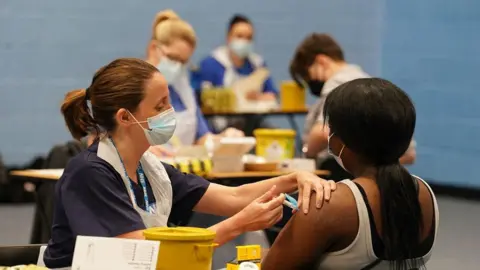
Two primary vaccines are available to protect against the most common causes of meningitis and septicaemia. The MenACWY vaccine provides comprehensive protection against four strains of meningococcal bacteria – groups A, C, W, and Y – which can all lead to meningitis. This vaccine is routinely offered to teenagers at 14 years of age as part of the national immunisation programme. Individuals who may have missed this vaccination can still receive it free of charge on the NHS until their 25th birthday.
The MenB vaccine is specifically designed to protect against meningococcal group B bacteria, a leading cause of invasive meningococcal disease in the UK. This vaccine is recommended for babies, with the primary course typically administered at eight weeks and again at 12 weeks of age, followed by a booster dose at one year. It is important to note that these vaccines are inactivated and do not contain any live bacteria, meaning they cannot cause meningitis.
Furthermore, several other vaccinations can indirectly contribute to protecting individuals from meningitis, as it can sometimes arise as a complication of other infections. The six-in-one vaccine, administered to young children, offers protection against diphtheria, tetanus, whooping cough, hepatitis B, polio, and Haemophilus influenzae type b (Hib). The pneumococcal vaccine provides babies with crucial protection against serious infections caused by pneumococcal bacteria, including meningitis. The MMRV vaccine, which superseded the MMR vaccine in January 2026, offers infants protection against measles, mumps, rubella, and chickenpox. The MMR vaccine remains available free of charge on the NHS for anyone who may have missed it during childhood, regardless of their current age. Generally, it takes approximately two weeks for full immunity to develop after vaccination, and some vaccines require booster doses to maintain optimal protection.
Why aren’t teenagers vaccinated against MenB?
The MenB vaccine was incorporated into the UK NHS childhood immunisation programme for babies born on or after July 1, 2015. Consequently, teenagers and young adults who are currently over the age of 11 have not received this specific jab as part of their routine childhood vaccinations. The rationale behind prioritising young babies for the MenB vaccine stems from their heightened susceptibility to invasive infections and their bodies’ less robust ability to combat them compared to older age groups.
However, scientific research has indicated that the MenB vaccine’s effectiveness in preventing the transmission of the infection from person to person is not absolute. Additionally, it does not target all the diverse strains of MenB bacteria, nor does it provide very long-term immunity. Based on these findings, UK vaccine experts have concluded that offering the MenB vaccine to adolescents is not cost-effective, and therefore, the NHS does not currently provide a universal catch-up programme for this age group. In light of the recent outbreak, Health Secretary Wes Streeting has formally requested that the government’s vaccination advisers re-evaluate this decision and consider whether the policy should be revised.
Who can get the meningitis vaccine in Kent?
In response to the escalating severity of the situation in Kent, the UK Health Security Agency (UKHSA) has expanded its vaccination programme, which initially focused on specific groups within the University of Kent student population. As of March 23rd, a significant number of individuals, exceeding 10,600, have received the Meningitis B vaccine, and over 13,300 doses of antibiotics have been administered to those potentially exposed. Health officials have confirmed that laboratory tests indicate the vaccine currently being deployed is effective against the specific strain of meningitis circulating in the region.
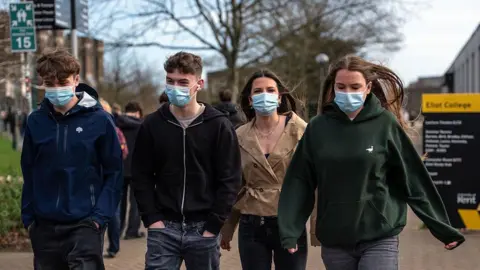
Individuals who visited Club Chemistry, the Canterbury nightclub identified as a focal point of the outbreak, from March 5th onwards were strongly advised to seek both antibiotic prophylaxis and the MenB vaccine. Furthermore, other individuals who were previously offered antibiotics are now also eligible to receive the MenB vaccine. This includes a broader cohort of students from the University of Kent and Canterbury Christ Church University, as well as sixth-form students from the four schools where confirmed or suspected cases have been identified. To enhance protection and minimise disruption, particularly during critical school examination periods, pupils in year 11 at these schools are also now being offered the vaccine. Some parents, concerned about the outbreak, have opted for private vaccination for their teenagers. High street pharmacies are offering a complete course of two MenB vaccine doses for approximately £220. In response to the heightened demand for these private vaccinations, major pharmacy chains such as Boots have implemented a queuing system, while Superdrug has established a waiting list. Health Secretary Wes Streeting acknowledged that while private vaccination is understandable given the circumstances, he stressed that it is "not necessary" due to the availability of free vaccinations through the NHS.
What meningitis signs should you look out for?
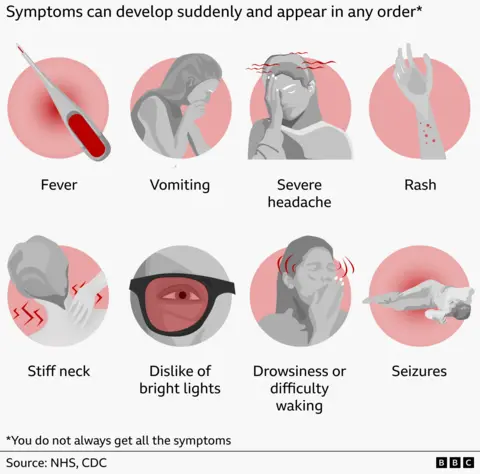
Meningitis symptoms can manifest suddenly and in any order, making early recognition crucial. Key indicators to watch out for include:
- Fever: A high temperature, often accompanied by feeling hot and shivery.
- Vomiting: Experiencing nausea and throwing up.
- Severe Headache: A throbbing or intense headache that does not ease with painkillers.
- Rash: A distinctive rash that is a hallmark sign of meningococcal septicaemia. This rash typically appears as small, red or purple pinprick spots that may develop into larger blotches. Crucially, these spots do not fade when a clear glass is pressed against them – a key test for identifying a potentially dangerous rash. On darker skin tones, the rash may be more difficult to see and is best checked on paler areas such as the palms of the hands, soles of the feet, the roof of the mouth, or inside the eyelids.
- Stiff Neck: Difficulty or pain when trying to bend the chin to the chest.
- Dislike of Bright Lights: Sensitivity to light (photophobia), causing discomfort when exposed to bright lights.
- Drowsiness or Difficulty Waking: Feeling extremely tired, lethargic, or being difficult to rouse from sleep.
- Seizures: Convulsions or fits.
It is important to remember that not all individuals will experience every symptom, and the onset can be rapid.
How does meningitis spread and how can you stop it?
Outbreaks of meningococcal disease, while rare, tend to occur in environments where large numbers of people congregate, such as university campuses, boarding schools, or crowded entertainment venues. The bacteria that cause meningitis are often carried by healthy individuals in their nose or throat without causing illness. However, these carriers can transmit the bacteria to others through close personal contact, involving the exchange of respiratory droplets via coughing, sneezing, kissing, or sharing items like vapes and drinks. Close and prolonged contact is generally required for transmission to occur. In some instances, the infection can also spread from an individual who is already suffering from meningitis, though this is less common. It is also possible for an individual to contract meningitis more than once.
The most effective method for controlling the spread of meningitis is by administering antibiotics to individuals who may have been in close contact with an infected person. This public health measure was implemented in Kent, with free antibiotics offered to those who visited Club Chemistry on specified dates, resided on the University of Kent campus in Canterbury, or had close contact with confirmed cases. Vaccination also plays a vital role in preventing future infections and reducing the overall burden of the disease.
What should you do if you think you or a friend has meningitis?
If you or a friend develop symptoms suggestive of meningitis or sepsis, it is imperative to seek urgent medical attention immediately. This can be done by attending the nearest Accident and Emergency (A&E) department or by dialling 999. Early diagnosis and treatment are critical and can be lifesaving. Young people in the affected area of Canterbury have been strongly advised to trust their instincts and not hesitate to seek help via their GP or the NHS 111 service, even if not all symptoms are present or if a rash has not yet developed. They are also encouraged to actively check on friends who may be feeling unwell. Health officials have cautioned that students are particularly vulnerable to overlooking the early warning signs of meningitis, as these symptoms can easily be mistaken for common illnesses such as a severe cold, influenza, or even a hangover.




 George Anjay
 Nakalama John
 atisusanti
 Ramos Leo
 Nana Banana