
 Roy Suryo
In the wake of an "unprecedented" meningitis B (MenB) outbreak in Kent, which has tragically resulted in two deaths and infected 18 others, a crucial question has resurfaced: why isn’t the MenB vaccine routinely offered to teenagers in the UK, and should it be? Health officials have extended a targeted vaccination campaign for university students to include more school pupils and those who have already received precautionary antibiotics, as the outbreak, while believed to be past its peak, continues to be monitored with three cases still under investigation.
The current situation starkly highlights a long-standing debate surrounding MenB vaccination policy for adolescents. While babies have been eligible for the MenB vaccine since 2015, UK advisory bodies have previously deemed a widespread NHS catch-up campaign for teenagers not to be cost-effective. This decision has left many parents concerned, prompting some to seek private vaccination for their children. Teenagers currently receive the MenACWY vaccine on the NHS, which protects against other strains of meningitis but crucially, not MenB.
During an outbreak like the one in Kent, antibiotics are the primary line of defence for close contacts of infected individuals. Professor Andrew Pollard, a vaccine expert, explains that vaccination does not offer immediate protection, with a significant time lag for the immune response to develop. Full protection often requires booster doses. Antibiotics, however, can effectively eradicate the bacteria from the throat, thereby preventing further spread. As of March 23rd, over 13,300 doses of antibiotics had been administered to potentially exposed individuals in Kent.
In response to the severity of the current outbreak, the targeted MenB vaccination programme has been expanded. By the same date, more than 10,600 people had received the jab. This includes additional students at the University of Kent, students at Canterbury Christ Church University, and sixth-formers at four local schools with confirmed or suspected cases. Year 11 pupils at these schools are also being offered the vaccine. Furthermore, anyone who attended Club Chemistry, the Canterbury nightclub identified as an epicentre of the outbreak, after March 5th, has been invited to receive both the vaccine and antibiotics. Individuals who had previously been offered antibiotics are now also eligible for vaccination.
The inadequacy of communication regarding the different meningitis vaccines has been a point of distress for bereaved parents. Helen and Lee Draper, whose daughter Meg died from MenB in October 2025 while at university, expressed their willingness to have paid for a private vaccination "in a heartbeat." They emphasised the critical need for parents to be aware that the standard meningitis vaccine offered to teenagers on the NHS does not cover all strains. "That’s where I think the communication’s been really, really poor over the years," Lee stated. Helen recounted the tragic progression of Meg’s illness, from feeling lethargic to developing nausea and a rash, a scenario made all the more devastating by the subsequent realisation that Meg had not been vaccinated against MenB, a fact unknown to her parents.
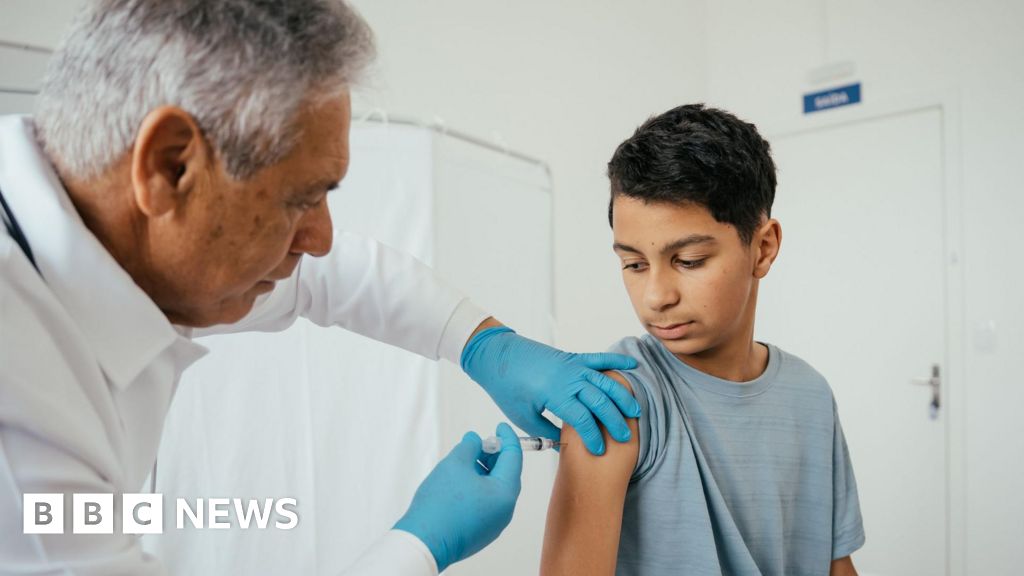
Meningitis can strike anyone at any time, but certain groups are at higher risk. These include babies and young children under five, followed closely by teenagers and young adults aged 15 to 24. Babies receive three doses of the MenB vaccine in their first year of life. The decision regarding routine MenB vaccination for teenagers is complex. It is estimated that approximately one in four teenagers and young adults carry meningitis-causing bacteria in their throats, often without developing symptoms, but posing a risk of transmission to others.
While the MenB vaccine is highly effective in infants, its efficacy in young people is less pronounced. Additionally, the vaccine, despite its name, protects against the most common strains of the B type but not all of them. Experts believe the current MenB vaccine aligns well with the strain responsible for the Kent outbreak, but it is not as effective in preventing bacterial transmission between individuals. Protection from the vaccine is also not considered lifelong, though it lasts for several years. These factors contributed to the Joint Committee on Vaccination and Immunisation (JCVI), the government’s advisory body, previously concluding that the MenB jab was not cost-effective for routine teenage vaccination on the NHS. However, individuals with certain long-term conditions affecting their immunity are eligible for the vaccine. In light of the current crisis, Health Secretary Wes Streeting has requested the JCVI to re-evaluate the eligibility criteria for meningitis vaccines for teenagers and young adults.
The heightened vulnerability of university students to meningitis is attributed to their close proximity to large numbers of new people, often sharing living spaces and facilities. While the specific mutations of the bacteria in the current outbreak are being studied, health experts suggest that a combination of factors, including individual immunity, social behaviours, and environmental conditions, likely contributes to the increased incidence. Older adults can still contract meningitis, particularly if their immune systems are compromised, but the primary at-risk groups remain young people and infants. While rare, it is possible to contract meningitis even after vaccination, although protection is considered robust in the initial years following immunisation.
The question of whether to pay for a meningitis vaccine privately has become more pressing for some. Health Secretary Wes Streeting acknowledged that it’s "not a surprise" that people have opted for private vaccination but stated it is "not necessary." Pharmacies like Boots and Superdrug have reported a significant increase in demand since the Kent outbreak began, with a full course of two MenB doses costing around £220. Meningitis Now, a charity, advocates for the MenB jab to be available at a "fair price" and has long called for wider availability to protect teenagers and young people. It is important to remember that other childhood vaccines, such as the MenACWY vaccine offered to 14-year-olds, protect against different types of meningitis (groups A, C, W, and Y).
The current outbreak, while concerning for students who may recall the COVID-19 pandemic, differs in its transmission dynamics. The MenB bacteria primarily resides in the throat, and most carriers remain asymptomatic. The bacteria spreads through close contact with respiratory secretions, typically requiring prolonged or intimate interaction, such as kissing, coughing, or sneezing. Sharing vapes and drinks can also facilitate transmission. Unlike COVID-19, mask-wearing is not being recommended as a preventative measure. The focus remains on rapid identification, treatment with antibiotics, and targeted vaccination efforts in response to outbreaks. The ongoing re-evaluation of vaccination policies by the JCVI signifies a potential shift in how the UK addresses the threat of MenB in its adolescent population, aiming to balance public health imperatives with cost-effectiveness.




 George Anjay
 Nakalama John
 atisusanti
 Ramos Leo
 Nana Banana