
 atisusanti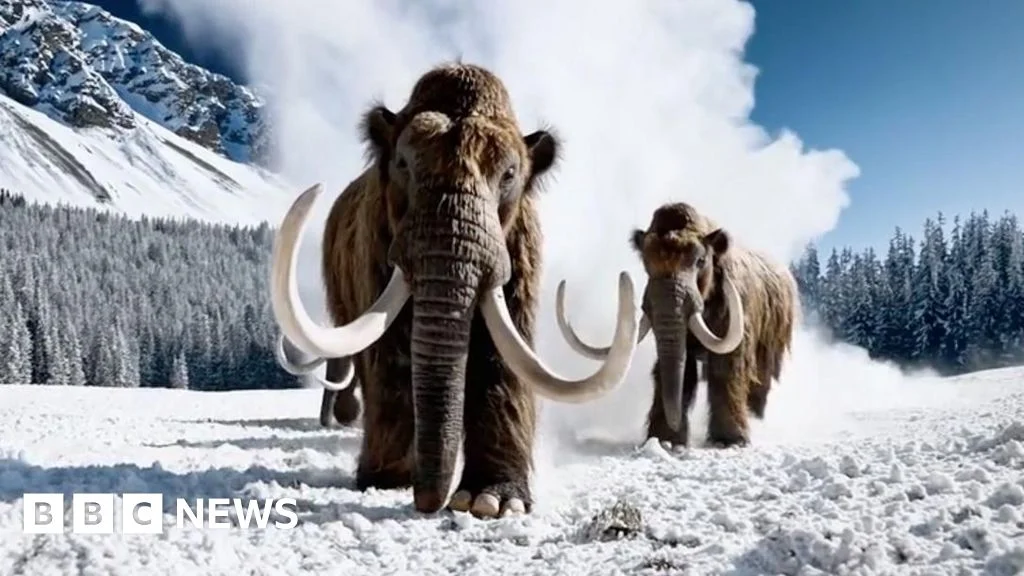
In a significant pivot that signals a shift in focus for one of the world’s leading artificial intelligence research labs, OpenAI has announced the discontinuation of its highly publicized Sora video-generation application. The decision, confirmed by the company to the BBC, marks the end of an era for the tool that captivated the tech and entertainment industries with its ability to create remarkably realistic video clips from simple text prompts. OpenAI stated that the closure of Sora is intended to free up resources and personnel for other developmental priorities, particularly in the realm of robotics. The company’s ambition now lies in developing advanced AI systems, including "agentic" technology, designed to autonomously execute complex tasks with minimal human intervention, a stark contrast to its previous focus on generative media. This strategic realignment also coincides with the dissolution of its partnership with media giant, The Walt Disney Company, a collaboration that had been closely watched as a potential bridge between AI development and Hollywood content creation.
A spokesperson for The Walt Disney Company acknowledged OpenAI’s decision, expressing respect for the shift in priorities. "We respect OpenAI’s decision to exit the video generation business and to shift its priorities elsewhere," the spokesperson stated. Disney further elaborated that it will now actively explore collaborations with other AI platforms, emphasizing a commitment to leveraging AI responsibly and ensuring that such advancements do not infringe upon existing intellectual property rights. This statement suggests that while the specific partnership with OpenAI for Sora has concluded, Disney remains keen on integrating AI technologies into its creative and operational processes, albeit through different avenues. The company’s forward-looking approach underscores a broader industry trend of seeking AI solutions that align with ethical considerations and legal frameworks, particularly in an environment increasingly sensitive to copyright and intellectual property protection.
The closure affects both the consumer-facing Sora app and the professional, internet-based platform used by industry insiders to generate videos. This comprehensive shutdown indicates that OpenAI will no longer dedicate development efforts to video-generation tools, redirecting its formidable AI expertise towards more tangible, physical applications. The company intends to leverage the foundational technology developed for Sora, which demonstrated an impressive understanding of physics, character consistency, and visual detail, to train robots. This move signifies a bold step towards bridging the gap between artificial intelligence and the physical world, with the aim of creating robots capable of performing real-world tasks. This ambitious objective positions OpenAI at the forefront of a new wave of AI development, one that seeks to translate digital intelligence into practical, physical capabilities.
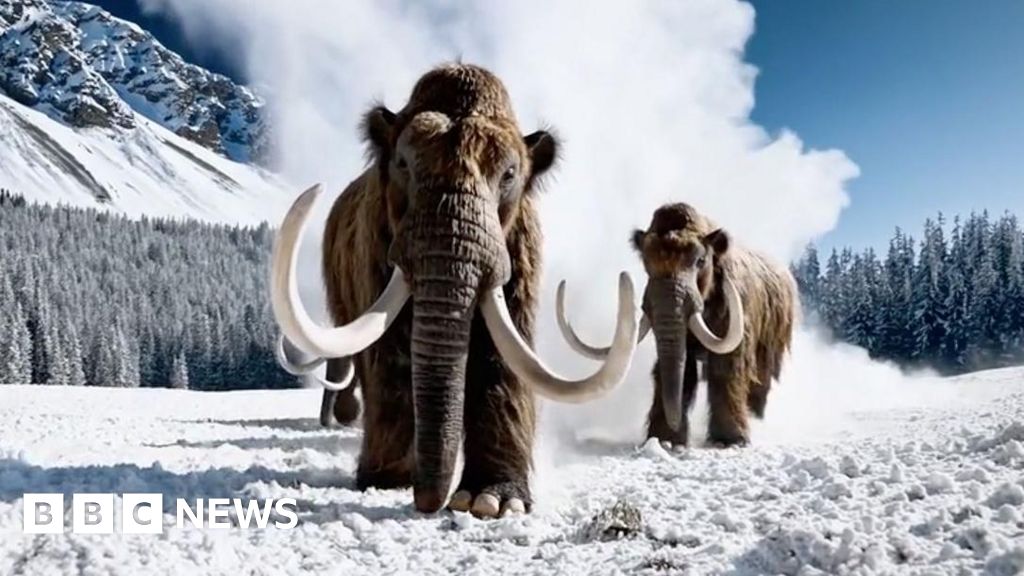
It is important to note that this discontinuation does not impact other OpenAI services, such as the image-generation tools integrated within ChatGPT. These tools continue to operate independently and are unaffected by the closure of Sora. The success of Sora, which launched in early 2024, was undeniable, generating immense global interest due to the exceptionally high quality of its AI-generated videos. The output was often indistinguishable from professionally produced content, leading to widespread awe and speculation about the future of filmmaking and visual media. However, this groundbreaking capability also ignited significant concerns regarding potential copyright violations and the disruptive impact AI-generated content could have on creative industries and employment within them.
The partnership between OpenAI and Disney, established in December of the previous year, was a landmark agreement, making Disney the first major studio to license its intellectual property (IP) for use in OpenAI’s AI video tools. This three-year deal granted Sora users the ability to generate AI videos featuring iconic Disney characters, such as Mickey Mouse, and characters from the Star Wars universe, like Yoda. The agreement was widely interpreted as a pivotal moment, potentially signaling a reconciliation between Hollywood studios, which had previously initiated legal challenges against AI firms over IP usage, and the burgeoning AI sector. This collaboration offered a glimpse into a future where AI could be integrated into content creation with explicit licensing and permission, a stark contrast to the often contentious landscape of unauthorized IP usage.
However, even this groundbreaking partnership did not entirely quell industry anxieties. Some within the media sector expressed apprehension that such deals could accelerate the displacement of human talent in the entertainment industry, raising questions about the long-term viability of creative professions in an AI-augmented world. The potential for AI to replicate and even surpass human creative capabilities in certain areas cast a long shadow over the perceived benefits of these collaborations.
Furthermore, Sora was not operating in a vacuum; it faced increasing competition in the rapidly evolving AI video-making market. Among its rivals was Seedance, a Chinese AI company that garnered significant controversy in February. Seedance generated viral videos featuring Hollywood characters, produced using their AI technology, sparking renewed debates about intellectual property and the ethical boundaries of AI content generation. The emergence of such competitors highlighted the fast-paced nature of AI development and the intense race to dominate the generative media landscape. OpenAI’s decision to exit this space, therefore, can also be seen as a strategic move to avoid further entanglement in a market that was becoming increasingly crowded and fraught with ethical and legal challenges, allowing them to concentrate on a less contested and potentially more impactful area of AI research.

 George Anjay
 Nakalama John
 Ramos Leo
 Roy Suryo
 Nana Banana