
 Roy Suryo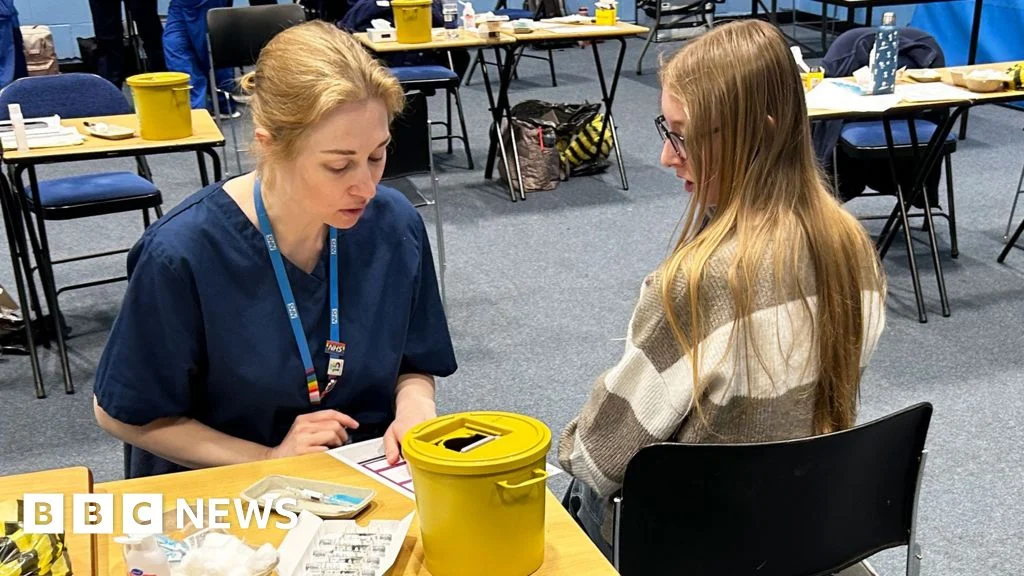
A critical two-day delay by the NHS in reporting a suspected meningitis case allowed a serious outbreak to escalate, potentially putting lives at risk and delaying vital public health interventions. The UK Health Security Agency (UKHSA) was only alerted to the first confirmed case on the afternoon of Friday, March 13th, despite the patient presenting at the Queen Elizabeth the Queen Mother Hospital in Margate two days prior. This delay, which contravened legal requirements for immediate reporting of suspected notifiable diseases, meant a crucial window was missed for contact tracing and identifying the wider scope of the outbreak.
The patient, identified by the BBC as 21-year-old University of Kent student Annabelle Mackay, first arrived at the hospital on the evening of Wednesday, March 11th. East Kent Hospitals NHS Trust, which runs the hospital, admitted to the BBC that it had "missed an opportunity to alert the UKHSA sooner," stating they waited for a formal diagnosis through a confirmed test. However, under the Health Protection Regulations 2010, invasive meningitis is classified as an urgent notifiable disease, requiring immediate notification to health protection officials upon suspicion, without the need for a confirmed diagnosis.
Dr. Des Holden, acting chief executive of East Kent Hospitals NHS Trust, acknowledged the oversight. "We recognise there was an opportunity prior to diagnosis to notify UKHSA," he stated. "We cannot go into the detail of individual patients’ care, but the trust has been in close contact with UKHSA since Friday 13 March to discuss the management of patients presenting with suspected meningitis."
Experts have condemned the delay, labelling it "indefensible" and warning that it likely exacerbated the crisis. Professor Paul Hunter, an expert in infectious disease at the University of East Anglia, emphasized the urgency of reporting meningitis cases. "You don’t wait for a formal diagnosis when it comes to meningitis – you report it straight away so it can be investigated," he explained. "Not only do you want to trace the close contacts to give them preventative treatment, you also want to see if there are other cases developing."
The consequences of this delay are stark. As of Monday, 23 suspected and probable cases of the outbreak, all affecting young adults and teenagers, had been reported. Tragically, two individuals had died, and four were in intensive care. The UKHSA figures reveal that ten people reported developing symptoms between the first known admission and the evening of Sunday, March 15th, when the agency finally issued a public alert about the outbreak. This means a significant number of young people were experiencing symptoms and unaware of the escalating danger, potentially delaying their own decision to seek medical help.

"You had significant numbers of young people developing symptoms as the days went by, but they were unaware there was an outbreak. If they had known, they may have come forward for treatment sooner," Professor Hunter added. He underscored the critical importance of prompt treatment in meningitis cases, which is essential for increasing survival rates and preventing life-altering disabilities such as limb loss, blindness, and brain injury.
Annabelle Mackay, who is believed to be the first patient whose case was eventually reported to the UKHSA, expressed her surprise at the lack of earlier action. "It was treated as meningitis as soon as I was taken in. If the report had been made earlier, other people could have been warned to look out for symptoms," she told the BBC.
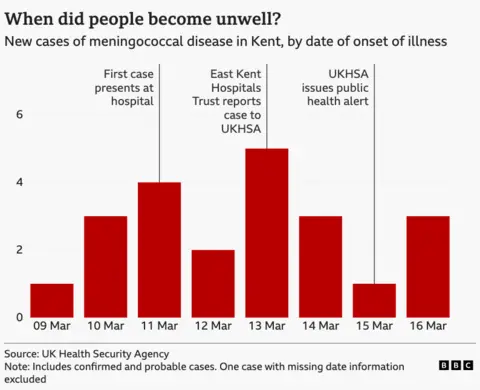
The UKHSA confirmed that an opportunity had been missed to report the initial case sooner. They stated that had they been aware earlier, they would have commenced an investigation and provided preventative antibiotics to close contacts of the patient. While no confirmed cases have been directly linked to this individual thus far, the agency acknowledged that they were not informed of subsequent cases at East Kent’s services until Saturday evening. The trust reported an increase in suspected meningitis patients arriving later on Friday, but the precise impact of the initial reporting delay on identifying the cluster of cases remains unclear.
Once the scale of the problem became apparent with multiple seriously ill individuals, the UKHSA initiated a "large-scale public health response." By Sunday morning, internal health service communications were disseminated across Kent and Medway, alerting NHS 111, local A&E departments, and GPs to be vigilant for potential cases. This broader awareness campaign, while crucial, came only after a significant delay in the initial reporting and subsequent public notification.

The East Kent Hospitals NHS Trust’s adherence to protocol, particularly regarding the immediate reporting of suspected notifiable diseases, has come under intense scrutiny. While the trust’s chief executive acknowledged the missed opportunity, the two-day lag between the patient’s presentation and the official alert to the UKHSA represents a serious lapse in public health procedures. This delay highlights potential systemic issues within hospital reporting mechanisms and the critical need for strict adherence to regulations designed to protect public health during infectious disease outbreaks. The incident serves as a stark reminder of how crucial rapid communication and timely intervention are in mitigating the devastating impact of diseases like meningitis, particularly among vulnerable young populations. The investigation into the precise reasons for the delay and any potential systemic failures within the trust’s reporting protocols is ongoing.



 George Anjay
 Nakalama John
 atisusanti
 Ramos Leo
 Nana Banana