
 Nana Banana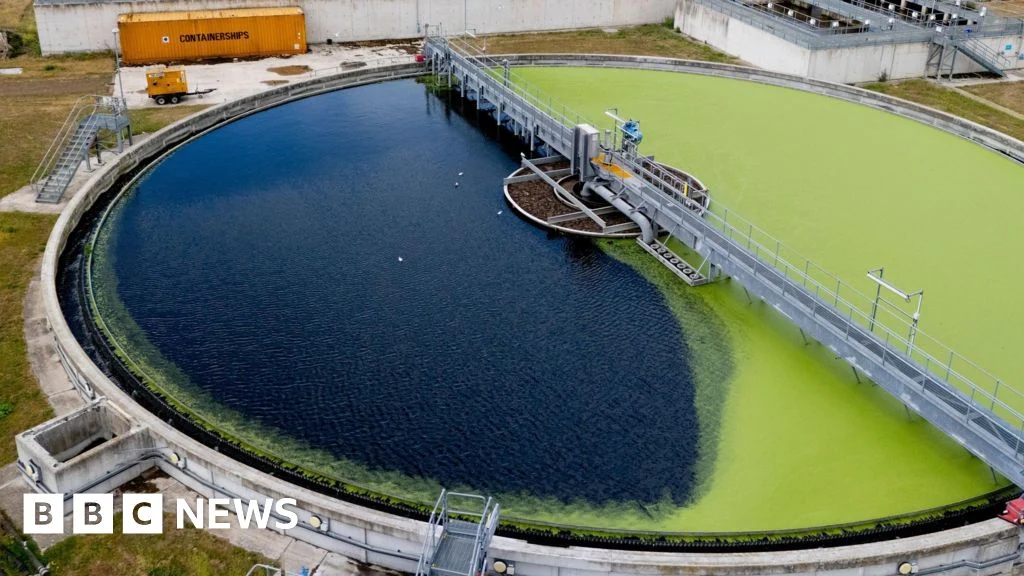
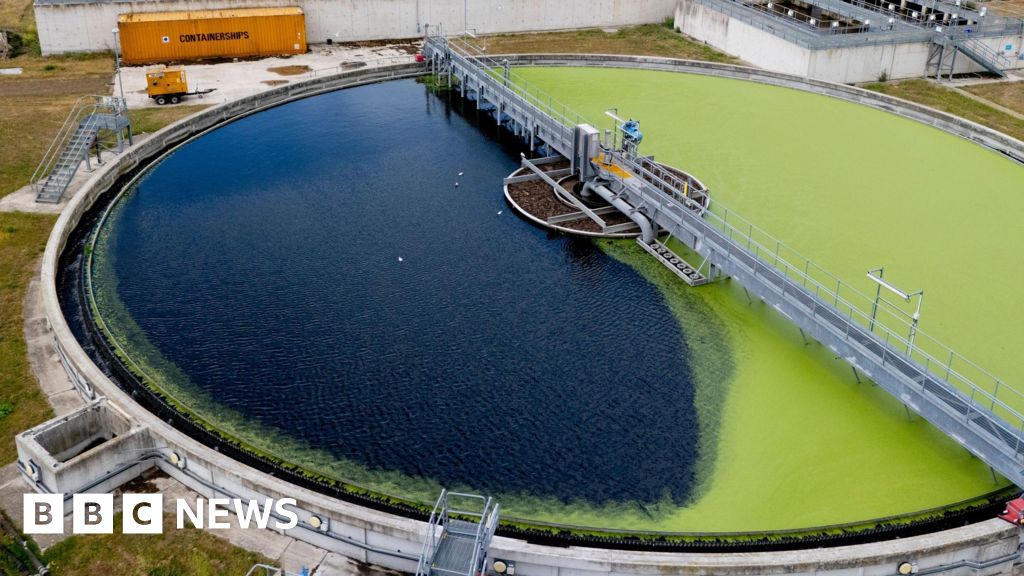
The mechanism behind these discharges is rooted in England’s combined sewage network, a system prevalent across much of the UK. This infrastructure funnels both domestic and industrial wastewater, alongside rainwater runoff, into the same pipes. During periods of intense or prolonged rainfall, the system can become rapidly overwhelmed, exceeding its capacity. To prevent sewage from backing up into homes, streets, and critical treatment facilities, water companies are permitted to release excess untreated sewage and rainwater through designated storm overflows directly into rivers and coastal waters. Consequently, a year with less rainfall inherently leads to fewer instances of the system being pushed to its breaking point, thus reducing the need for these emergency discharges.
Indeed, 2025 was marked by notably drier conditions across England. Rainfall across the country was 24% lower than the previous year, with the nation experiencing one of its driest starts to the year on record. This prolonged period of reduced precipitation provided a natural respite for the overstretched sewage system, mitigating the frequency and duration of spills despite some heavy rainfall events during the winter months. This meteorological factor, rather than a sweeping overhaul of infrastructure, appears to be the primary driver behind the reported reduction.
Environmental charities were quick to express skepticism regarding the positive spin on the figures. James Wallace, CEO of the charity River Action, articulated this widely held concern, stating, "After one of the driest summers in decades, lower spill numbers were inevitable, not evidence of real change." He further criticized the industry, asserting that "Water companies are still profiting from pollution, and regulators have failed to act." These organisations argue that while a temporary reduction is welcome, it masks the underlying systemic issues of aging infrastructure, inadequate capacity, and insufficient investment that continue to plague England’s waterways. They highlight that a return to average or above-average rainfall levels would likely see spill figures rebound to previous unacceptable levels, underscoring the precariousness of improvements driven by weather rather than robust engineering solutions.
Disentangling the precise contribution of reduced rainfall from any genuine, albeit nascent, improvements due to infrastructure upgrades remains a complex analytical challenge. Factors such as the number of individual spill events, their duration, and the intensity of rainfall during those events all play a role. The Environment Agency itself acknowledged this complexity, stressing that "sustained investment" would be essential to achieve "lasting improvements" in the long term, implicitly reinforcing the view that the 2025 figures are largely an anomaly driven by weather.
In contrast, Water UK, the industry body representing water and sewerage companies, maintained a more optimistic stance. They contended that the country was already "starting to see the effect of a tripling of water company investment." This assertion points to substantial financial commitments aimed at modernising and expanding the sewage network. In 2024, the industry regulator, Ofwat, approved plans for water bills in England and Wales to increase over the subsequent five years, explicitly earmarking these additional funds to finance a colossal £104 billion investment in infrastructure upgrades. Water UK cited examples of proactive measures, such as United Utilities, which reportedly upgraded over 400 storm overflows within its operational area, and Yorkshire Water, which improved approximately 100 in recent years. While these efforts represent significant individual projects, they must be viewed in the context of nearly 15,000 storm overflows scattered across the country, indicating the monumental scale of the challenge that still lies ahead.
The government, through Water Minister Emma Hardy, echoed a cautious welcome for the reduced spill numbers while acknowledging the pervasive nature of the problem. "It is good to see that storm overflow spills are down since the previous year, but there is still an unacceptable amount of sewage entering our waterways and a long way to go in cleaning up our rivers, lakes and seas," she stated. This reflects a broader recognition within government of the significant public concern and political pressure surrounding water quality.
The consequences of sewage pollution extend far beyond mere aesthetic concerns. In 2024, a damning report co-authored by leading scientists, including Professor Chris Whitty, England’s Chief Medical Officer, issued a stark warning that sewage entering waterways posed a tangible danger to public health. Raw sewage contains harmful bacteria, viruses, and parasites that can cause serious illnesses in humans, particularly those who engage in recreational activities like swimming, kayaking, or paddleboarding in contaminated waters. Exposure can lead to gastrointestinal infections, skin rashes, and more severe health complications.
Beyond human health, the ecological impact of sewage spills is devastating. The influx of untreated wastewater introduces a surge of nutrients, primarily nitrates and phosphates, into aquatic ecosystems. This nutrient enrichment acts as a potent fertiliser, triggering rapid and uncontrolled growth of algae, a phenomenon known as algal blooms. As these dense algal mats eventually die and decompose, they consume vast quantities of dissolved oxygen in the water, creating anoxic or hypoxic conditions. This oxygen depletion suffocates aquatic life, including fish, invertebrates, and essential microorganisms, leading to widespread ecosystem collapse. Furthermore, sewage introduces a cocktail of other harmful substances, including microplastics, pharmaceuticals, household chemicals, and industrial pollutants, all of which accumulate in the environment and food chains, posing long-term threats to biodiversity and ecosystem health.
A particularly egregious and illegal form of pollution is "dry spilling," where sewage is discharged from storm overflows even when it has not been raining. In such instances, with no rainwater to provide dilution, the sewage is highly concentrated, magnifying its toxic impact on the environment and posing an even greater risk to public health. For the first time, the Environment Agency compelled water companies to collect and report data on these illegal dry spills in 2025. The results were alarming, revealing 14,700 such incidents. The Environment Agency has confirmed it is now actively investigating each of these reported dry spills. While some incidents may be attributed to faulty monitoring equipment, any confirmed cases of illegal dry spilling will lead to robust enforcement action, which could range from formal warnings to substantial, unlimited fines. In the preceding year, 2024, water companies collectively incurred £6.9 million in fines for breaches of environmental law, underscoring the financial penalties associated with regulatory non-compliance.
Looking ahead, the challenge of achieving genuinely cleaner waterways remains immense. While drier weather offered a temporary reprieve in 2025, the underlying issues of an outdated combined sewer system, the pressures of population growth, and the increasing frequency and intensity of extreme rainfall events due to climate change persist. Sustained and strategic investment, coupled with rigorous enforcement and innovative solutions beyond traditional concrete infrastructure, such as nature-based solutions and sustainable drainage systems, will be critical to transforming England’s water quality. The public, environmental groups, and the government will be closely watching whether the reported reduction in spills in 2025 becomes a genuine turning point, driven by committed action, or merely a fleeting statistical anomaly dictated by the weather.


 George Anjay
 Nakalama John
 atisusanti
 Ramos Leo
 Roy Suryo