
 atisusanti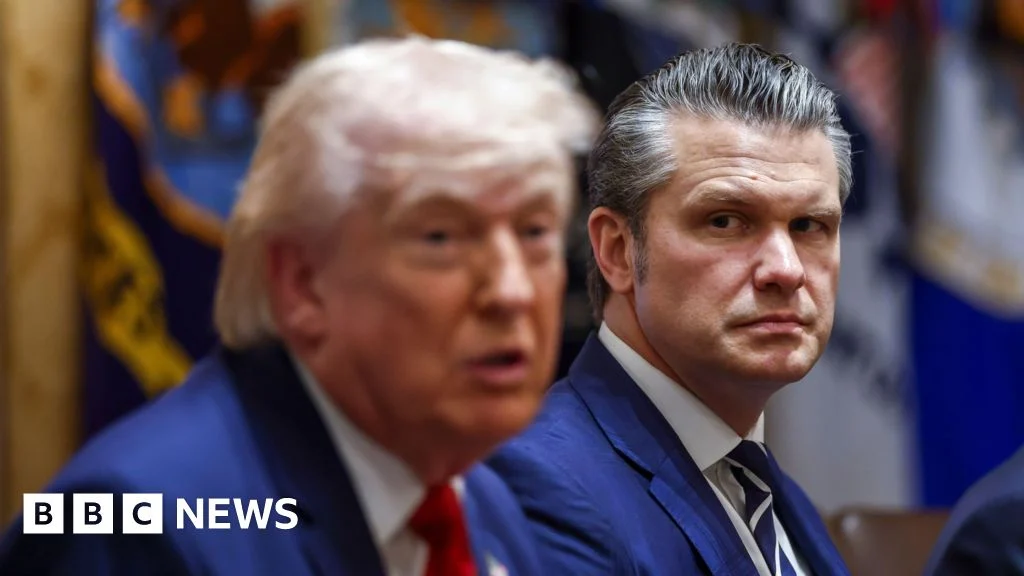
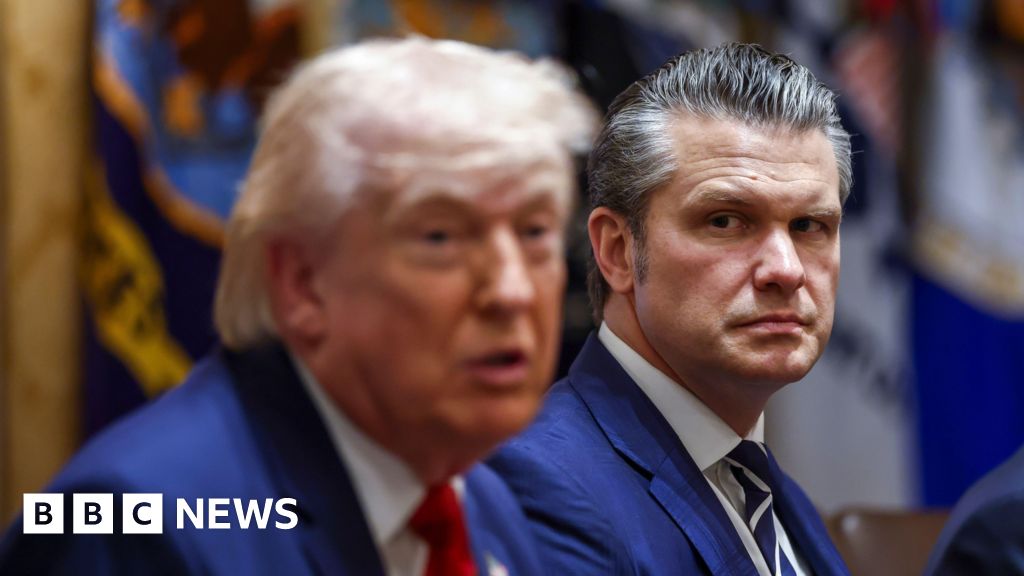
In a significant legal victory for artificial intelligence firm Anthropic, a federal judge has temporarily blocked directives from former President Donald Trump and Defense Secretary Pete Hegseth that aimed to halt government agencies from utilizing Anthropic’s AI tools. Judge Rita Lin, presiding over the case in California, ruled that the government’s actions were an attempt to "cripple Anthropic" and "chill public debate," labeling the move as "classic First Amendment retaliation." This preliminary injunction means that Anthropic’s AI technologies, including its prominent Claude models, can continue to be employed by government entities and their contractors pending the full resolution of the ongoing lawsuit.
The legal battle erupted earlier this month when Anthropic filed suit against the Department of Defense and other federal agencies. This action followed public criticism from President Trump and a subsequent "supply chain risk" designation by Secretary Hegseth, a label historically reserved for foreign entities and unprecedented for a U.S. company. Anthropic argued that this designation, along with the directives to cease using its tools, has significantly harmed its business and violated its First Amendment rights.
The Pentagon, in its defense, contended that its concerns stemmed from Anthropic’s refusal to accept new contract terms. They asserted that this created a legitimate national security need for the supply chain risk label, citing fears about how Anthropic’s AI technology, widely integrated into government and military operations, could be exploited.
However, Judge Lin’s order highlighted that the public statements from Trump and Hegseth focused on pejorative labels like "woke" and "left-wing nut jobs," rather than any concrete security deficiencies. The judge pointed out that if the issue were a simple contractual disagreement, the Department of Defense (referred to as the Department of War in the order) would have likely ceased using Claude without resorting to such drastic measures. She concluded that the challenged actions "far exceed the scope of what could reasonably address such a national security interest."
The dispute traces back months, to ongoing negotiations between Anthropic and the Department of Defense regarding a potential expansion of their $200 million contract. The Pentagon sought to include a clause allowing the use of Anthropic’s AI for "any lawful use." Anthropic, along with its CEO Dario Amodei, expressed profound concerns that such broad language could pave the way for the misuse of their technology for extensive domestic surveillance of Americans and the development of fully autonomous weapons systems.
The conflict escalated into the public arena in February when Secretary Hegseth issued a deadline for Anthropic to agree to the revised contract terms. The company ultimately declined, leading to the subsequent legal action.
Anthropic, a prominent player in the rapidly evolving AI landscape, has positioned itself as a company committed to developing AI systems that are "helpful, honest, and harmless." Their technology is employed across a range of sensitive government applications, from assisting in intelligence analysis to enhancing cybersecurity. The company’s refusal to concede to the Pentagon’s broad contractual demands reflects a growing tension between the rapid advancement of AI capabilities and the ethical and security considerations surrounding their deployment, particularly within military contexts.
The Pentagon’s aggressive stance, culminating in the unprecedented "supply chain risk" designation, underscores the anxieties within defense circles regarding the control and potential weaponization of advanced AI technologies. Historically, this designation has been a critical tool for identifying and mitigating risks posed by foreign adversaries and their technological dependencies. Applying it to a domestic AI developer, especially one with significant government contracts, signals a new and potentially contentious chapter in how the U.S. government approaches the oversight of cutting-edge technology.
The legal precedent set by Judge Lin’s decision could have far-reaching implications for the future of AI development and its integration into government functions. By emphasizing the importance of First Amendment protections and scrutinizing the government’s justification for drastic measures, the ruling provides a critical check on executive power in the digital age. It suggests that the government cannot arbitrarily label companies as security risks based on political rhetoric or ideological disagreements, particularly when such actions could stifle innovation and public discourse.
The court’s reference to "classic First Amendment retaliation" is particularly noteworthy. It implies that the government’s actions may have been motivated by a desire to punish Anthropic for its principled stance on the ethical deployment of its technology, rather than by genuine national security concerns. This interpretation places the onus on the government to demonstrate a compelling, non-retaliatory reason for its actions, a standard that may be difficult to meet given the judge’s observations about the public statements made by Trump and Hegseth.
Anthropic’s spokesperson expressed satisfaction with the ruling, emphasizing the company’s continued commitment to working collaboratively with the government to ensure the safe and beneficial use of AI for all Americans. This statement suggests that while the company is prepared to defend its rights vigorously, it remains open to finding common ground and establishing robust safeguards for AI deployment.
The Pentagon and the White House have yet to issue official comments on the judge’s order, leaving open the possibility of further legal maneuvers or policy adjustments. The case is expected to continue, with both sides presenting further evidence and arguments. The ultimate resolution will likely shape how the U.S. government interacts with AI companies, balances national security imperatives with civil liberties, and navigates the complex ethical terrain of artificial intelligence.
The legal battle highlights a fundamental tension in the development and deployment of advanced AI: the immense potential for innovation and progress versus the inherent risks of misuse, ethical compromise, and unintended consequences. As AI becomes increasingly integrated into critical infrastructure and national security operations, the need for clear, transparent, and legally sound frameworks for its governance will only grow. This case serves as a crucial early indicator of the legal and ethical challenges that lie ahead.
The $200 million contract that formed the crux of the dispute underscores the significant financial stakes involved, as well as the deep integration of Anthropic’s technology into government operations. The Pentagon’s desire for expansive contractual language reflects a broader ambition to leverage AI across a multitude of applications, while Anthropic’s resistance points to a conscientious effort to prevent its creations from being used in ways that violate fundamental ethical principles.
The "supply chain risk" designation, in particular, carries substantial weight. It can effectively bar a company from participating in government contracts, impacting its revenue, reputation, and future growth prospects. By applying this label to Anthropic, the Pentagon signaled a high level of concern, but as Judge Lin’s ruling suggests, the justification for such a severe measure appears to be under significant legal scrutiny.
The case also brings to the forefront the increasing influence of AI companies in shaping national policy and the ethical standards of technology. Anthropic’s willingness to challenge government directives in court demonstrates a growing assertiveness among AI developers to influence the responsible development and deployment of their technologies. This proactive stance is crucial in ensuring that AI advancements are aligned with societal values and democratic principles.
As the lawsuit progresses, observers will be closely watching for further developments that could establish important precedents for AI governance, freedom of speech in the digital realm, and the balance of power between technology companies and the federal government. The outcome of this case could set a crucial benchmark for how similar disputes are handled in the future, influencing the trajectory of AI development and its integration into the fabric of American society and national security.



 George Anjay
 Nakalama John
 Ramos Leo
 Roy Suryo
 Nana Banana