
 George Anjay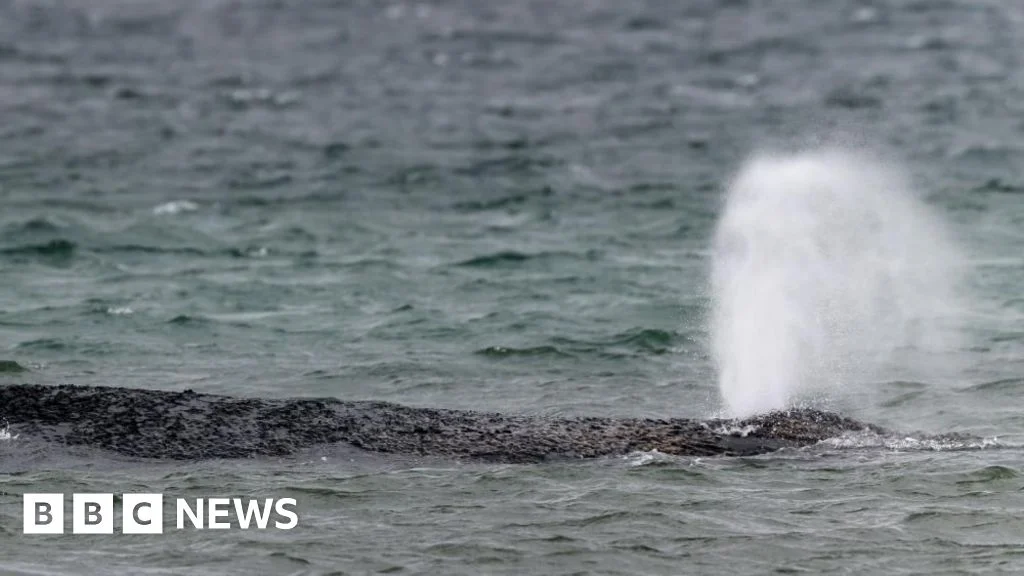
In a remarkable display of resilience and a testament to the dedication of a multi-agency rescue effort, a majestic humpback whale has successfully freed itself from a treacherous sandbank near the German coastal city of Lübeck, signaling a hopeful new chapter after days of intensive efforts to save the marine mammal. Rescue teams, who have been working tirelessly since the whale was first spotted stranded, are now cautiously optimistic that the creature will navigate its way into deeper waters and eventually head towards the vast expanse of the Baltic Sea.
The humpback, an impressive specimen measuring approximately 12 to 15 meters (40 to 50 feet) in length, was initially discovered beached near the popular resort town of Timmendorfer Strand last Monday. Its plight immediately galvanized a coordinated response, involving marine biologists, local authorities, volunteer organizations, and specialized rescue equipment. Throughout the week, numerous attempts were made to extricate the whale from its predicament, facing challenging conditions and the inherent complexities of managing such a large and powerful animal.
Dr. Robert Marc Lehmann, a renowned biologist deeply involved in the rescue operation, expressed his elation at the news of the whale’s self-liberation. He attributed the breakthrough to the whale’s own remarkable strength and determination, suggesting that it had managed to regain enough energy overnight to break free from the confining sandbank. This natural disentanglement, while a cause for celebration, underscores the critical importance of providing the whale with the space and time it needed to recover.
Confirmation of the whale’s escape came at first light on Friday, when initial reports of it swimming off the sandbank were corroborated by Stephanie Groß, a representative from the Institute for Terrestrial and Aquatic Wildlife Research. Groß confirmed that a colleague, positioned in an inflatable boat, was in close proximity to the mammal and witnessed its departure from the shallows. This moment, long awaited by the rescue teams, marked a significant turning point in the prolonged operation.
The rescue efforts leading up to the whale’s liberation were nothing short of extraordinary. Faced with the whale’s immobility, two powerful diggers were deployed on Thursday to meticulously dredge a channel, aiming to create a navigable path for the whale to reach deeper water. The operation continued late into the night, with rescue teams working under the intense glare of floodlights, their determination unwavering as they sought to secure the whale’s survival. By early evening on Thursday, there were growing signs that the humpback was becoming more active, fueling hopes for a positive outcome.
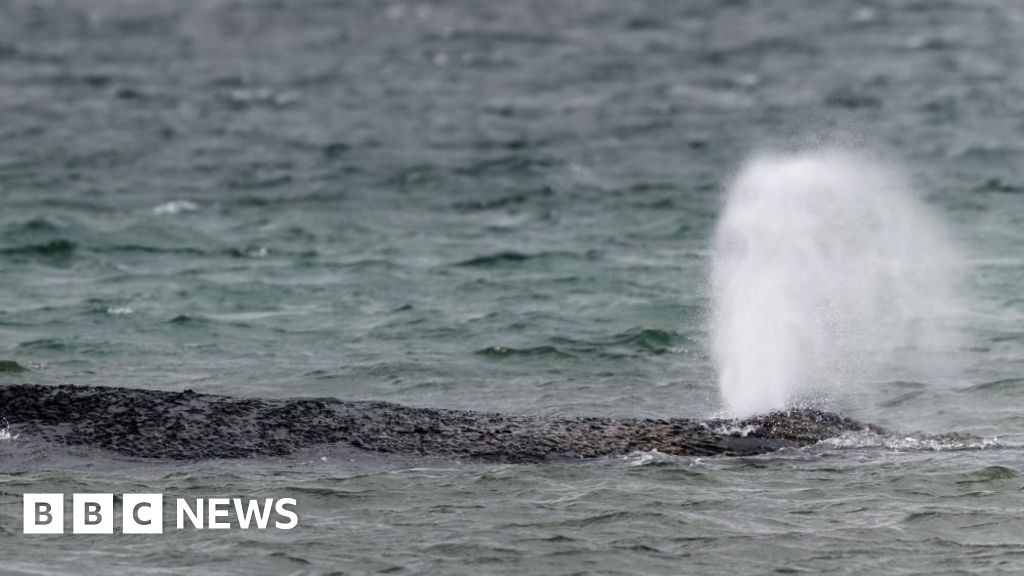
Despite the whale’s successful escape from the sandbank, Dr. Lehmann emphasized that the immediate danger had not entirely subsided. He stressed the paramount importance of the whale remaining in open water and the ultimate goal of it successfully navigating its way out into the wider Baltic Sea. The journey back to its natural habitat is expected to be arduous, and continued monitoring and support will be crucial.
Stephanie Groß provided an update early on Friday, reporting that the whale was being closely escorted by a fleet of vessels, including the German coast guard. This escort is vital for ensuring the whale’s safety and guiding it in the right direction, away from any potential hazards.
A significant challenge throughout the rescue operation has been the whale’s deteriorating condition, which has unfortunately prevented rescuers from fitting a tracking device to its skin. This lack of a tracker makes it more difficult to monitor its movements and health remotely. Adding to its distress, a piece of discarded netting has been observed lodged in the whale’s mouth, a stark reminder of the pervasive threat of marine pollution. The removal of this netting, if possible and safe to attempt, would be another crucial step in ensuring the whale’s full recovery.
Despite these ongoing concerns, local mayor Sven Partheil-Böhnke expressed his profound delight at the whale’s self-rescue. He acknowledged the tireless efforts of all those involved and shared the experts’ optimism that the humpback would continue its journey north, with Denmark being a likely destination. This northward migration is consistent with the typical migratory patterns of humpback whales in this region.
The ultimate goal for the whale’s complete recovery, according to the rescue experts, is for it to not only reach the Baltic Sea but to continue its journey into the North Sea and ultimately the Atlantic Ocean. It is in these vast oceanic waters that the humpback whale would find its natural habitat, a place where it can thrive and contribute to the delicate balance of marine ecosystems. The saga of this humpback whale serves as a powerful reminder of the vulnerability of marine life and the critical importance of conservation efforts and dedicated rescue initiatives.



 Nakalama John
 Roy Suryo

 atisusanti
 Ramos Leo