Nana Banana
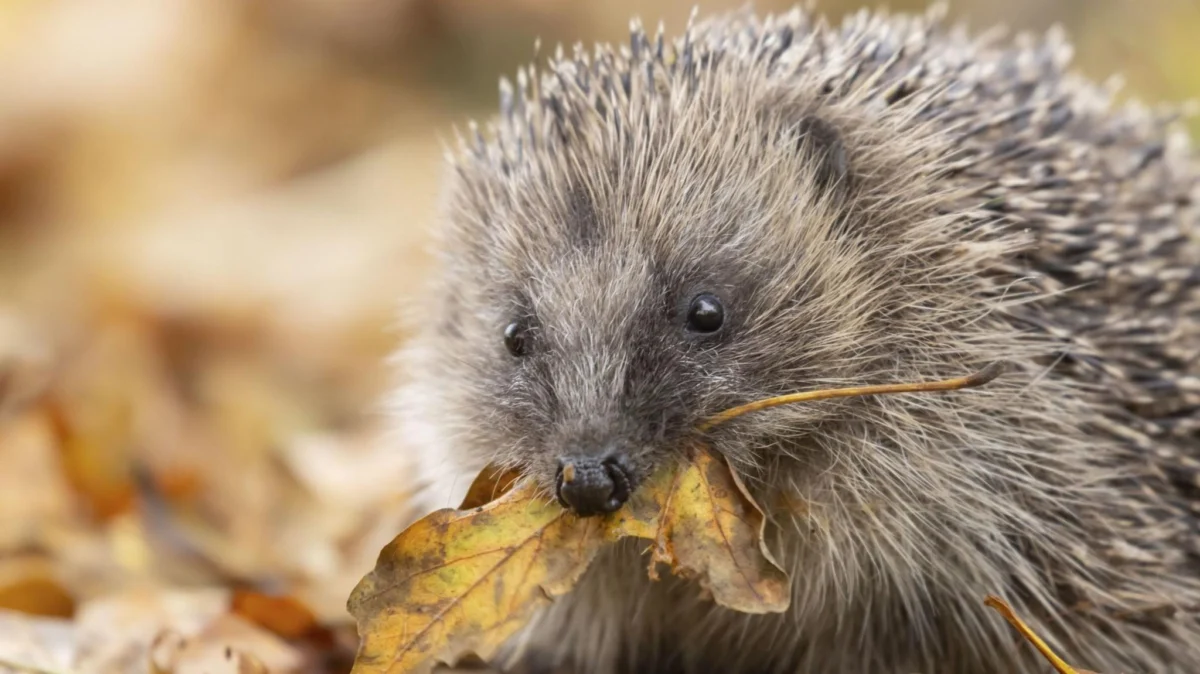
A significant new strategy, aimed at comprehensively restoring and enhancing the protection of Northern Ireland’s vital natural environment, has been officially launched by the agriculture and environment minister. This landmark initiative comes at a critical time, as alarming statistics reveal the precarious state of biodiversity across the region, necessitating urgent and concerted action to safeguard its unique flora and fauna for future generations.
The urgency of this strategy is underscored by troubling data indicating that approximately 40% of the plants and animals residing within Northern Ireland’s designated protected sites currently fail to meet the stringent standard for "favourable condition." This term denotes an optimal state of ecological health, where species populations are thriving, habitats are robust and resilient, and the overall ecosystem is functioning effectively without significant threats. The failure of such a large proportion of these sites highlights a systemic issue in current conservation efforts and management. Furthermore, the situation is even more dire for specific ecosystems, with a stark revelation that only one out of 49 identified priority habitat types – which include irreplaceable natural assets like ancient and native woodlands, expansive blanket bogs, and species-rich grasslands – currently holds favourable status. These habitats are not merely picturesque landscapes; they are the bedrock of biodiversity, providing essential services and supporting a vast array of life. Their degradation signifies a profound ecological imbalance that demands immediate intervention.
In response to this pressing environmental crisis, the newly unveiled Nature Recovery Strategy offers a meticulously developed, long-term framework. This framework is robustly based on scientific principles and extensive research, designed to systematically address the escalating challenge of biodiversity loss and to facilitate the large-scale restoration of damaged habitats. It represents a paradigm shift, moving beyond reactive conservation to a proactive and holistic approach that seeks to rebuild natural resilience across the landscape.

Speaking at the launch, Minister Andrew Muir articulated the profound importance of this new direction, stating that supporting nature is "not just a nice thing to do" but rather "a moral obligation to future generations." He passionately argued for a fundamental reorientation of societal priorities, emphasizing that nature must be placed "back at the heart of everything we do because when nature thrives, people flourish." The minister elaborated on the multifaceted benefits of a healthy environment, asserting its essential role in fostering "a strong economy, healthier communities and a more resilient Northern Ireland." He acknowledged, however, that while the strategic vision is clear, translating it into tangible success will inevitably require substantial financial investment to overcome the significant challenges ahead. The scale of the task, he implied, necessitates a commensurate level of resource allocation.
The strategy itself elaborates on the fundamental question: "Why does nature need protection?" It moves beyond aesthetic appreciation to highlight nature’s indispensable role as the provider of essential ecosystem services – the very foundations of human existence. These include the food we consume, the clean water we drink, and the pure air we breathe. Beyond these basics, healthy ecosystems perform a myriad of other vital functions: they regulate climate by sequestering carbon, prevent soil erosion and maintain fertility, mitigate floods, pollinate crops, and offer invaluable spaces for recreation, mental well-being, and cultural inspiration. The interconnectedness of these services means that the degradation of one aspect of nature inevitably has cascading effects throughout the entire system, ultimately impacting human well-being and economic stability. Minister Muir stressed that with "so much of our natural world lost, we must protect what remains, restore what has been damaged and create new habitats at scale," signaling an ambitious undertaking to reverse decades of environmental decline.
Understanding the existing protective measures and their shortcomings is crucial to appreciating the new strategy. Northern Ireland is home to numerous areas that harbor rare or threatened plants, animals, and habitats. To safeguard these, various legal designations are employed, designed to ensure effective management and protection. These include hundreds of designated sites, covering approximately 10% of the land and a significant 38% of coastal waters. These classifications encompass Areas of Special Scientific Interest (ASSIs), which protect the best examples of natural heritage; Special Areas of Conservation (SACs) and Special Protection Areas (SPAs), both of international biodiversity importance under European directives; Ramsar Sites, which specifically safeguard wetlands of international significance; and Marine Conservation Zones (MCZs), established to protect nationally important marine wildlife and habitats. Ideally, these designations should trigger robust conservation work, but the reality has fallen short.
Indeed, a recent investigation by the Office for Environmental Protection (OEP) revealed a deeply concerning trend: not only are an insufficient number of new sites being designated, but the condition of existing protected sites is actively worsening. The OEP, an independent environmental watchdog, highlighted a significant decline in the proportion of sites deemed to be in a "favourable condition," plummeting from 61.7% in 2008 to a mere 51.5% in 2024. This downward trajectory prompted the OEP to launch a formal investigation into the management practices of the Department of Agriculture, Environment and Rural Affairs (DAERA), finding that the implementation of protective designations had fallen considerably short of expectations. This finding underscores the critical need for a new, more effective framework like the Nature Recovery Strategy to rectify past failings and ensure that legal protections translate into real-world conservation success.

The challenges facing nature in Northern Ireland are multifaceted and severe. The 2023 State of Nature Report starkly characterized Northern Ireland as "one of the most nature-depleted areas" in the world, a sobering assessment that highlights the magnitude of the problem. The report found that a concerning 12% of species in Northern Ireland are currently under threat of extinction, while the number of flowering plants has seen a significant decline of 14% since 1970. The Nature Recovery Strategy identifies six primary external pressures exacerbating this biodiversity crisis. These include the proliferation of invasive species, which outcompete native flora and fauna and disrupt ecosystems; the pervasive and accelerating impacts of climate change, leading to habitat shifts and extreme weather events; human impact through inappropriate development, causing habitat loss and fragmentation; extensive land and sea-use change, driven by urbanization and industrial activities; the intensification of farming practices, often leading to habitat destruction and chemical pollution; and widespread pollution of air, water, and soil. The strategy emphasizes that a successful recovery hinges on effectively addressing all these interconnected threats.
Reaction to the launch of the strategy has been a mix of cautious optimism and pragmatic concern. Glenn Cuddy, the deputy president of the Ulster Farmers’ Union, expressed a degree of "skepticism" regarding the new strategy. He voiced a perennial concern among the agricultural community that "nature will be more thought of than the farming," emphasizing that "farmers have been walking along with nature for a long time, even before some of these projects have started." Cuddy stressed that farmers have historically been "the guardians of the countryside and for nature too," indicating a desire for the strategy to recognize and integrate agricultural practices rather than imposing restrictive measures without collaboration. This highlights the crucial need for the strategy to foster genuine partnerships with landowners and rural communities.
Heather McLachlan, the Northern Ireland director for the National Trust, echoed the sentiment of urgency, stating that "what really needs to happen is that we need to see where are the priorities." She emphasized the critical need for clear action plans, identifying "who’s going to do it and most importantly where’s the money going to come from to get it done?" Her comments underscore the importance of robust implementation mechanisms and a dedicated funding stream to ensure the strategy moves beyond aspirational goals to concrete, on-the-ground conservation efforts. Without adequate resources, even the most well-intentioned strategy risks becoming another unfulfilled promise.
Joanne Sherwood, the director of The Royal Society for the Protection of Birds (RSPB) Ireland, warmly welcomed the strategy, acknowledging its vital role in charting a path forward. "Species are really in decline," she stated, "so what it means for us is this charts out the strategy and the way forward." However, she quickly added a crucial caveat: "But of course a strategy isn’t everything – we need now to act and take urgent action." Sherwood’s remarks encapsulate the hope and apprehension surrounding the launch: while the strategic framework is a necessary first step, its true impact will be determined by the speed, scale, and effectiveness of its implementation.

In conclusion, the launch of Northern Ireland’s Nature Recovery Strategy marks a pivotal moment for environmental conservation in the region. It acknowledges the severe challenges posed by biodiversity loss and the degradation of vital habitats, providing a science-based roadmap for reversing these trends. However, as stakeholders from farming, conservation, and environmental protection agencies have highlighted, the success of this ambitious undertaking will depend not just on the strategic vision, but crucially on sustained political will, robust funding, effective collaboration across all sectors, and a commitment to urgent, tangible action. Only through such a concerted effort can Northern Ireland hope to restore its natural heritage and ensure that nature can truly thrive, benefiting both wildlife and the well-being of its people.



 George Anjay

 atisusanti


 Nakalama John