
 Nakalama John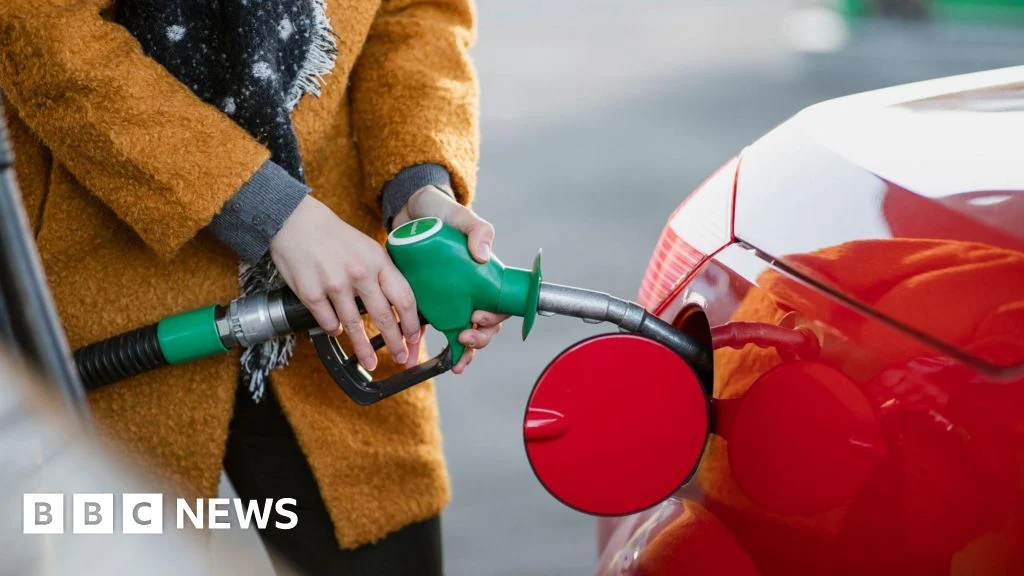
Data released by the motoring organisation RAC paints a stark picture of the escalating costs. The conflict in the Middle East is demonstrably continuing to exert upward pressure on global fuel markets, though current prices, while alarming, still remain below the historic peaks experienced in the immediate aftermath of Russia’s full-scale invasion of Ukraine. On Friday, the benchmark wholesale price for Brent Crude oil surpassed $110 a barrel, demonstrating the market’s nervous reaction to geopolitical events. This rise occurred despite efforts by US President Donald Trump to de-escalate tensions, announcing a further 10-day postponement of plans to target Iranian energy infrastructure.
Simon Williams, the RAC’s head of policy, described the latest price rise as an "unwelcome milestone," highlighting the immediate impact on household budgets. "With the long-awaited four-day Easter weekend almost within touching distance, the cost of getting away by car is going to be noticeably higher this year," Williams warned, urging drivers to be strategic in their refuelling choices. The numbers are striking: unleaded petrol is now a significant 17p more expensive per litre than it was before the conflict erupted, while diesel drivers are facing an even steeper hike of 35p per litre. For a typical family car with a 55-litre tank, this translates to an extra £9.35 for petrol and an eye-watering £19.25 for diesel per fill-up compared to just a few weeks ago.
The RAC’s practical advice to drivers is to "plan carefully" where they refuel, leveraging smartphone applications and online tools that enable them to compare prices at various local outlets. This strategy can help mitigate some of the impact of price variations, which can be considerable even within a small geographical area. Savvy drivers who take the time to research can potentially save several pence per litre by avoiding the most expensive forecourts, often found on motorways or in less competitive areas.
Over the past four weeks, wholesale oil prices for Brent Crude have demonstrated extreme volatility, swinging between $73 and $116 a barrel. This fluctuation has been a direct reflection of traders’ constantly shifting perceptions regarding the stability of oil flow from the Middle East. Any hint of escalation or de-escalation in the conflict triggers immediate reactions in the futures markets. Late on Thursday, President Trump’s declaration that talks with Iran were progressing "very well" and his decision to defer military strikes until at least April 6th provided a brief moment of calm. However, as investment director Russ Mould of AJ Bell pointed out, the pronouncements emanating from Washington and Tehran often appear to come from "parallel worlds," with a significant disconnect between diplomatic rhetoric and the harsh realities of market sentiment. This divergence makes long-term price forecasting incredibly challenging and contributes to sustained uncertainty.
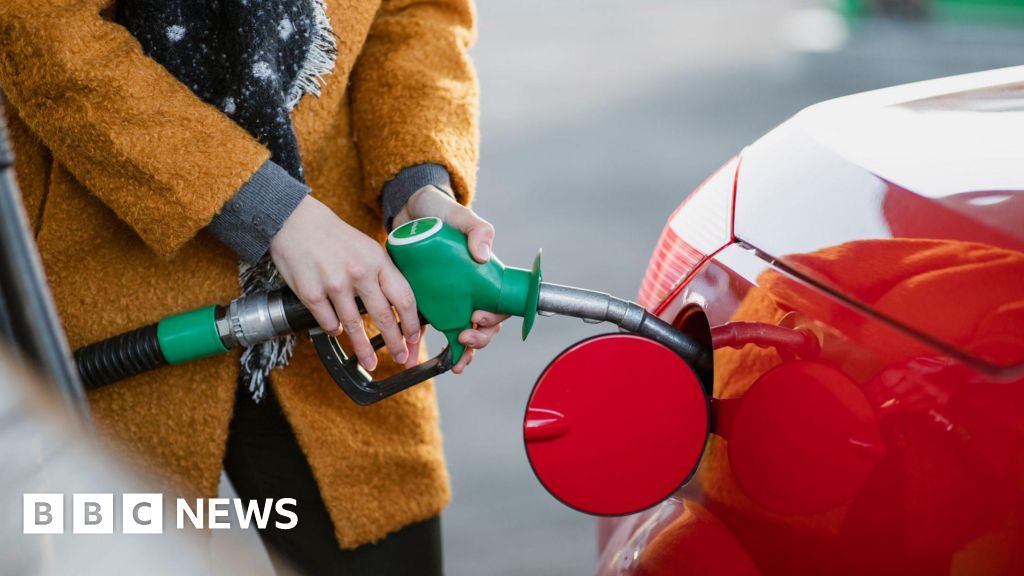
Higher wholesale prices inevitably translate to higher pump prices, typically with a slight delay as existing stock is sold and new, more expensive fuel is brought in. Analysts consistently highlight the direct correlation: every $10 increase in the wholesale oil price typically pushes up pump prices by approximately 7p a litre. It’s also important to remember that a substantial portion of the overall fuel price is comprised of factors beyond the crude oil cost, including refining, transportation, retailer margins, and, crucially, government taxes, such as fuel duty and VAT. This means that even if wholesale prices stabilise, other elements can still contribute to high pump costs.
The repercussions of these rising fuel costs are being felt far and wide. Allan Leighton, the executive chairman of Asda, one of the UK’s largest fuel retailers, acknowledged on Friday that the ongoing conflict was beginning to affect fuel supplies in some locations. He reported that a small number of individual petrol pumps on Asda forecourts had been temporarily taken out of service due to "bumper demand" spurred by the recent price volatility. While Leighton stressed that no forecourts had been entirely closed, and affected pumps were expected to be back in use after their next delivery, he admitted, "Our fuel volumes are up quite significantly and clearly demand has been outstripping supply. Supply is tight and we are all trying hard on that."
Amidst concerns about potential profiteering, particularly from the government, Leighton vehemently denied such accusations. He stated unequivocally that Asda’s profit margins were actually down as a direct consequence of the recent spike in wholesale prices, making any notion of profiteering "impossible in the current situation." He challenged the government to scrutinise its own taxation policies before pointing fingers at retailers. "The government is getting a lot of money off the back of this, and before they start accusing people of profiteering, just in my book, there’s no credibility in any of it," Leighton asserted. "I think the government needs to look at what it is doing instead of pointing the finger at everybody else." This sentiment resonates with many in the industry, who argue that a significant portion of the price paid at the pump ultimately goes to the Treasury.
The government had previously indicated its intention to "clamp down" on any retailers attempting to "rip off" customers during this period of price instability. However, Leighton’s comments suggest a growing tension between Westminster and the fuel retail sector over who bears responsibility for the escalating costs. The Petrol Retailers Association (PRA), which represents independent fuel retailers, offered a slightly more reassuring assessment. PRA director Gordon Balmer stated that the situation among its represented suppliers had remained "stable," adding, "Industry and government remain in regular contact to monitor deliveries and stock levels in the UK as well as the situation internationally."
Beyond the direct cost to consumers, the sustained high fuel prices are having a cascading effect across the economy. Reports are emerging of truck drivers and other motorists facing severe financial strain, while businesses, particularly those reliant on transport and logistics, are increasingly vocal about the impact on their viability. Haulage companies, couriers, taxi services, and even local tradespeople are seeing their operating costs soar, which inevitably leads to higher prices for consumers across a wide array of goods and services, exacerbating existing inflationary pressures. This challenging economic backdrop underscores the profound interconnectedness of global geopolitical events and everyday living costs, as the ripple effect of Middle Eastern tensions reaches directly into the pockets of British households and businesses.




 George Anjay
 atisusanti
 Ramos Leo
 Roy Suryo
 Nana Banana