
 George Anjay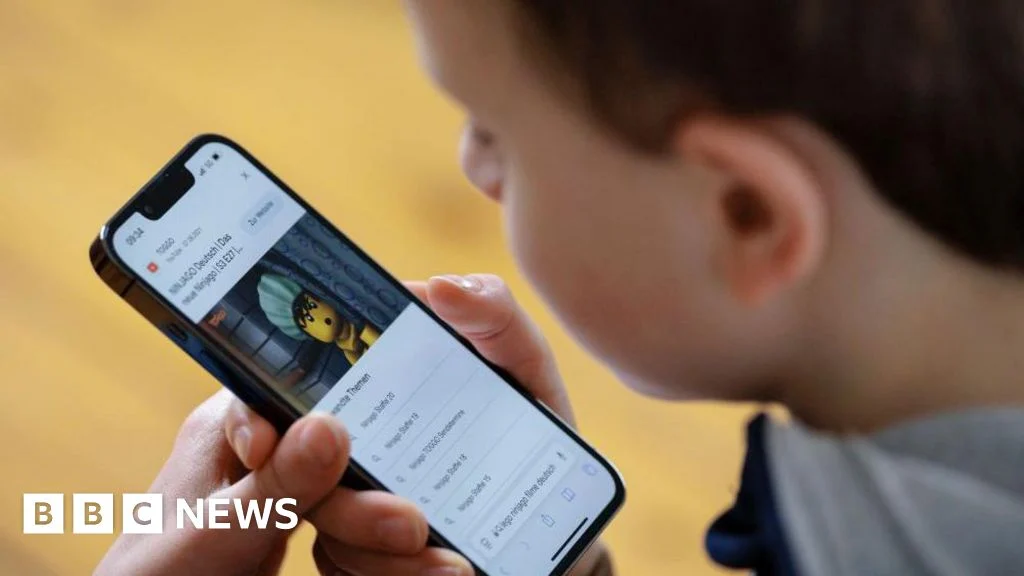
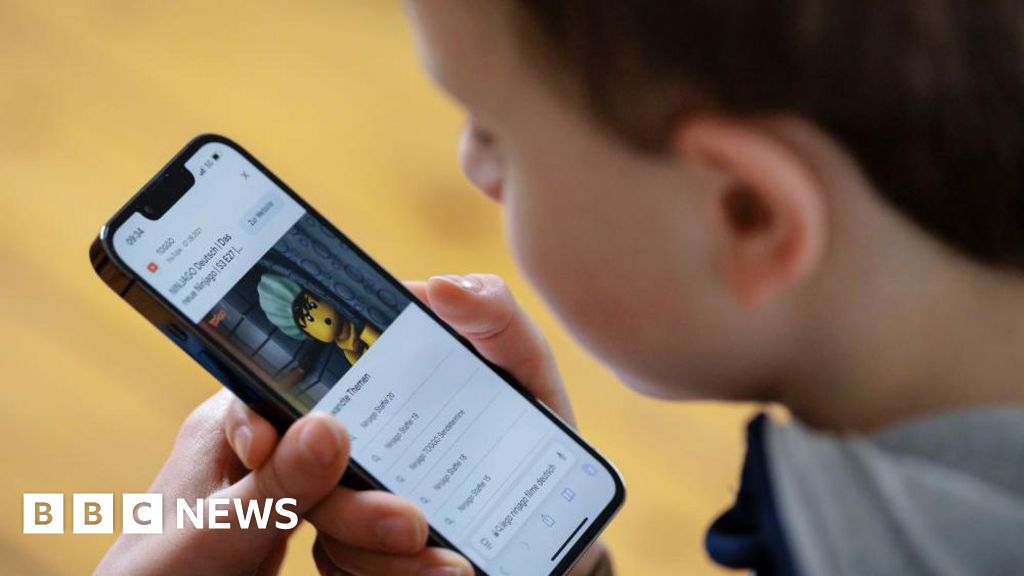
Vice-Chancellor Andreas Babler of the Social Democrats articulated the government’s rationale, expressing a firm stance against allowing social media to foster addiction and contribute to the mental distress of children. He emphasized that politicians bear a profound responsibility to safeguard the welfare of young people, drawing a parallel between the regulation of potentially harmful substances like alcohol and tobacco and the need for clear boundaries in the digital realm. "There must be clear rules in the digital world too," Babler asserted, highlighting the intent to protect children from the manipulative design of addictive algorithms. He further underscored the existing protective measures in place for other information providers, arguing that similar standards should be rigorously applied to online platforms to prevent exposure to harmful content.
Austria’s proposed ban aligns with a broader European trend, as a growing number of countries are grappling with the ethical and societal implications of unfettered social media use among minors. Social media companies often counter such concerns by pointing to their existing age restrictions, typically barring users under 13 from creating accounts. However, questions persist regarding the effectiveness and strictness of these age verification processes. Furthermore, the availability of child-friendly versions of platforms, often equipped with parental controls, is cited as a mitigating factor.
The legislative landscape concerning child online safety is rapidly evolving. Australia recently made headlines by introducing a ban for under-16s in December, becoming the first nation to enact such a comprehensive measure. In the United Kingdom, the government has initiated a public consultation on a potential ban for those under 16, signaling a serious consideration of stricter regulations. Across the continent, Denmark, Greece, Spain, and Ireland are actively exploring similar legislative avenues. Spain and Ireland are contemplating bans for under-16s, while Denmark and Greece are considering restrictions for under-15s, reflecting a continent-wide recognition of the need for enhanced child protection online.
Austrian Education Minister Christoph Wiederkehr, a representative of the liberal Neos party, lent his support to the initiative, strongly emphasizing the "harmful" nature of social media and the necessity for individuals to develop responsible digital habits. The state secretary for digitalization, Alexander Prödl from the conservative ÖVP, indicated that a draft bill detailing the proposed ban would be presented by the end of June. This legislative proposal is expected to incorporate the technical specifications for an agreed-upon mechanism designed to verify users’ ages when attempting to access social media platforms. Vice-Chancellor Babler noted that Austria would consider adopting an existing EU system if it proves to be readily available and functional, but reiterated the commitment to pursuing a national plan if such an EU solution is not forthcoming.
The political analyst Thomas Hofer observed that the proposed social media ban appears to be resonating positively with the Austrian public. He suggested that in a period marked by various societal and economic uncertainties, the government is attempting to project an image of competence and control by addressing an issue that garners widespread approval. "Such a ban is very popular, also among parents," Hofer commented, highlighting its potential as a unifying policy that transcends traditional party divides. He further elaborated that while the governmental parties might be facing defensive positions on other critical issues such as the economy, budget deficits, and inflation, the social media ban offers an "easy point" for them to make.
The coalition government’s commitment to addressing online child safety is being pursued concurrently with significant reforms to the secondary education system. These reforms include an increased emphasis on subjects such as democracy and artificial intelligence, alongside a reduction in the number of Latin lessons. This dual approach to policy development suggests a broader governmental agenda aimed at modernizing education and preparing young people for the complexities of the 21st century, both online and offline. The social media ban, in particular, is being framed as a crucial step in ensuring that children can navigate the digital world safely and healthily, free from the potentially detrimental influences that have become increasingly apparent. The debate surrounding the ban is likely to intensify as the specifics of its implementation are ironed out, with ongoing discussions expected to involve technological providers, child welfare organizations, and educational institutions to ensure the most effective and robust protective measures are put in place for Austria’s youngest internet users.


 Nakalama John
 Roy Suryo
 atisusanti
 Ramos Leo