
 Nana Banana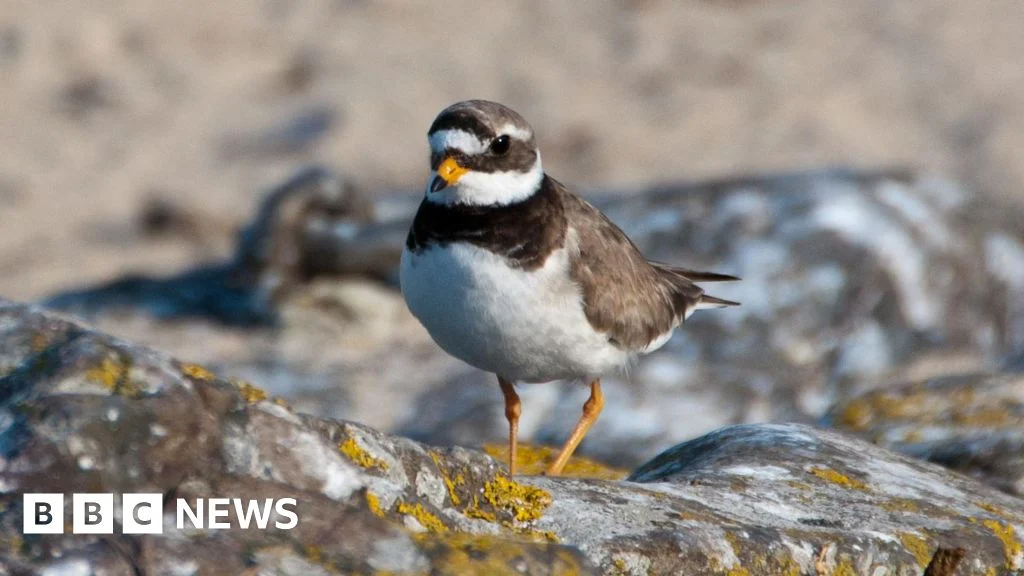
A vital new initiative has been launched at Langness, one of the Isle of Man’s most cherished coastal beauty spots, aiming to safeguard its vulnerable ground-nesting bird populations during their critical breeding season. Manx BirdLife, a leading conservation charity on the island, has strategically implemented an "exclusion zone" across key nesting areas on the southern peninsula, urging the public to maintain a respectful distance from March through August. This period marks the height of the ground-nesting season, a time when many avian species are most susceptible to disturbance, with potentially devastating consequences for their reproductive success.
Langness, a captivating and ecologically significant stretch of coastline, is renowned for its rugged beauty, panoramic sea views, and rich biodiversity. It is not merely a picturesque landscape but a crucial haven for avian life, having recorded over 200 of the island’s 332 known bird species. This remarkable diversity cements Langness’s reputation as an unparalleled destination for birdwatchers and nature enthusiasts alike. Allison Leonard of Manx BirdLife eloquently articulated this sentiment, stating, "If you speak to any birdwatcher they will tell you that Langness is one of the best places to go birdwatching on the island." Its unique blend of maritime habitats, from rocky shores and shingle beaches to coastal grasslands, provides an ideal environment for a wide array of resident and migratory birds.
To effectively protect these sensitive nesting areas, Manx BirdLife has deployed clear signage and temporary rope barriers at various strategic points along the coast. These measures are designed to subtly guide visitors away from the most vulnerable zones, minimizing any potential disturbance to breeding birds. The primary focus is on species that are either considered vulnerable, declining in numbers, or specifically protected under Manx wildlife legislation. Such proactive steps are essential for ensuring that these fragile ecosystems can thrive, allowing bird populations to breed successfully without the added stress of human or canine interference.
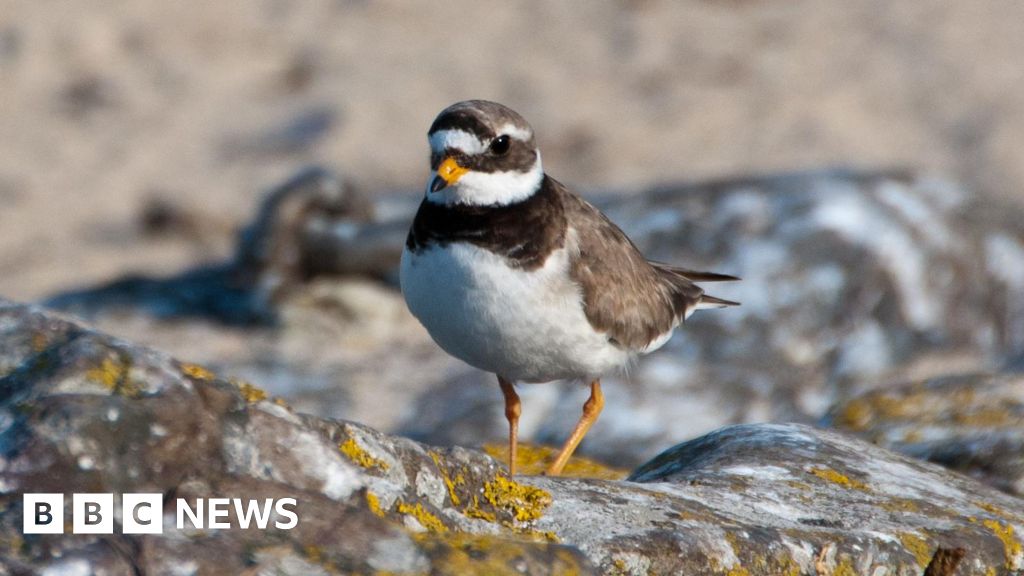
One of the flagship species benefiting from this initiative is the ringed plover (Charadrius hiaticula), a charming small coastal wader that exemplifies the challenges faced by ground-nesting birds. Distinguished by its stout body, short neck, black beak, and vibrant orange legs, the ringed plover builds its nest directly on open beaches and shingle, often just above the high-tide line. Its eggs and chicks are remarkably camouflaged, blending seamlessly with their stony surroundings, making them incredibly difficult for the casual observer to spot. This natural camouflage, while a defense against predators, also makes them extraordinarily vulnerable to accidental disturbance from walkers, off-lead dogs, or even recreational activities. A single intrusion can cause adult birds to abandon their nests, leaving eggs or young exposed to predators, harsh weather, or simply to perish from neglect.
Allison Leonard underscored the ringed plover’s precarious status, highlighting its classification as a "schedule one protected species" under the Isle of Man’s Wildlife Act 1990. This legal designation means that disturbing a ringed plover at its nest is a serious offence, carrying significant penalties. The Wildlife Act 1990 forms the cornerstone of wildlife protection on the island, providing a robust legal framework to conserve species and their habitats. Its provisions reflect a deep understanding of the ecological importance of Manx biodiversity and the need for stringent measures to prevent harm to vulnerable wildlife. The implementation of exclusion zones, therefore, is not merely a request but a reinforced directive aimed at ensuring compliance with these crucial protective laws.
The broader imperative behind these conservation efforts extends beyond individual species; it speaks to a collective "responsibility to protect" the Isle of Man’s unique natural heritage. Island ecosystems are often characterized by their distinctiveness and fragility. Isolated evolutionary paths can lead to endemic species found nowhere else, making their preservation globally significant. The Isle of Man, with its diverse landscapes and rich marine environment, harbors a unique array of flora and fauna, many of which are facing increasing pressures from climate change, habitat loss, and human activity.
Leonard emphasized that safeguarding this wildlife is a shared responsibility, not just for conservationists, but for every resident and visitor. "The Isle of Man is home to some amazing wildlife and we should all have a responsibility to protect that," she asserted, articulating the ethical and ecological duty that falls upon the community. This responsibility extends to understanding the subtle impacts of human presence in natural spaces. For instance, even a well-behaved dog, if off-lead, can inadvertently cause immense stress to nesting birds. The mere presence of a potential predator can force parent birds to flush from their nests, expending vital energy and leaving their vulnerable eggs or chicks exposed. Repeated disturbances can lead to nest failure, severely impacting the local breeding population.
Manx BirdLife’s hope is that by raising public awareness during the breeding season, the island community will actively contribute to ensuring Langness remains an indispensable habitat for birds for generations to come. This initiative is as much about education as it is about enforcement. "It’s about getting it on people’s radar that these places are special and that we should be looking after them," Leonard explained. The signs and rope barriers serve as visual reminders, prompting visitors to pause, reflect, and adjust their behavior to minimize their footprint. They encourage a mindful approach to enjoying nature, where appreciation goes hand-in-hand with preservation.
Looking ahead, the success of the Langness exclusion zone will depend heavily on public cooperation and a collective understanding of its critical importance. Visitors are encouraged to stick to designated paths, keep dogs on leads, and observe all signage. Beyond these immediate actions, supporting organizations like Manx BirdLife through volunteering, donations, or simply reporting wildlife sightings can contribute significantly to long-term conservation efforts. The Isle of Man stands as a beacon of natural beauty and biodiversity, and initiatives like the Langness exclusion zone are fundamental to preserving its ecological integrity. By embracing our shared responsibility, we can ensure that the evocative calls of the ringed plover and the vibrant life of Langness continue to enrich the island’s landscape for future generations. This concerted effort underscores a commitment to environmental stewardship, recognizing that the health of our natural world is inextricably linked to our own well-being.



 George Anjay
 Nakalama John
 atisusanti
 Ramos Leo
 Roy Suryo