atisusanti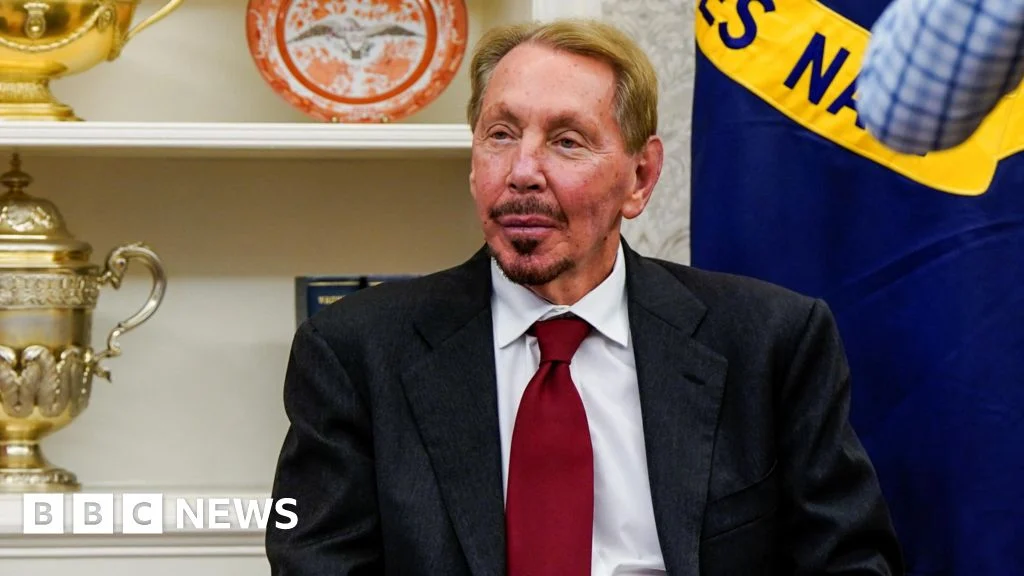
In a move that has sent ripples through the technology sector, enterprise software behemoth Oracle has implemented "significant" job cuts, a development confirmed by senior employees via online platforms on Tuesday. The sweeping layoffs appear to be intrinsically linked to the company’s aggressive and substantial investments in artificial intelligence (AI), a strategic pivot that promises to reshape the operational landscape of the tech giant.
Michael Shepard, a senior manager within Oracle, while personally unaffected by the workforce reduction, took to LinkedIn to detail the scope of the layoffs. He reported that "senior engineers, architects, operations leaders, program managers, and technical specialists" were among those whose positions were eliminated. Crucially, Shepard emphasized that these cuts were not performance-based, alleviating concerns that departing employees were being penalized for their individual contributions. Oracle itself has declined to provide an official comment on the matter, adding an air of speculation to the precise reasons and scale of the layoffs.
The strategic rationale behind these workforce adjustments appears to be deeply rooted in Oracle’s embrace of AI technologies. Company executives have previously articulated a vision where AI tools empower fewer employees to achieve a greater output. Mike Silicia, Oracle’s other co-chief executive, expounded on this sentiment earlier in the month, stating, "The use of AI coding tools inside Oracle is enabling smaller engineering teams to deliver more complete solutions to our customers more quickly." This suggests a deliberate strategy to leverage AI for enhanced efficiency and productivity across various departments.
Silicia further elaborated on the transformative capabilities of these AI tools, highlighting their role in generating new avenues for sales leads and automating the selling process for Oracle’s extensive suite of services. He also pointed to a recent example of AI’s direct application within the company, noting its use in the development of Oracle’s new corporate website. This demonstrates a practical and immediate integration of AI into core business functions, underscoring the company’s commitment to staying at the forefront of technological innovation.
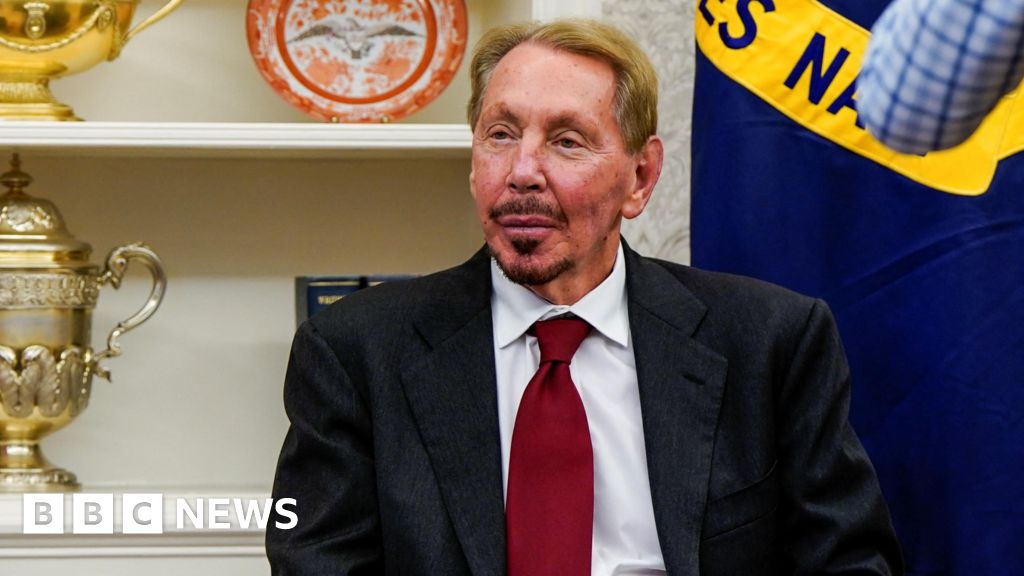
As one of the world’s preeminent technology corporations, Oracle offers a comprehensive portfolio of software solutions and cloud computing infrastructure to a global clientele. The company’s influence and reach are further amplified by its co-founder, chairman, and chief technology officer, Larry Ellison, who consistently ranks among the wealthiest individuals globally. His leadership and vision have been instrumental in shaping Oracle’s trajectory for decades.
While official numbers remain unconfirmed, one employee, speaking anonymously to the BBC on Tuesday, estimated that approximately 10,000 individuals may have been affected by the layoffs. This estimate was reportedly based on a noticeable decline in the number of active users on Oracle’s internal messaging system, Slack, a metric that can often serve as an informal indicator of workforce size. Shepard reiterated his earlier statement that the "significant reduction in force" was not a reflection of individual employee performance, stating, "The individuals affected were not let go because of anything they did or didn’t do." This sentiment was echoed in dozens of similar posts appearing on professional networking sites, all describing the widespread impact of the layoffs.
Among those whose roles were impacted was former Oracle employee Kendall Levin, who also shared her experience on LinkedIn. She described her position being "eliminated as part of the company’s mass reduction in force." Despite the personal setback, Levin expressed continued optimism, stating that she remains "a genuine believer" in the company’s future direction. Reports from several other affected individuals indicated that they received early morning emails informing them of their termination, with many being offered one month of severance pay. Whispers and anticipation of substantial layoffs had been circulating within Oracle since the earlier part of the year, suggesting that this recent action was not entirely unexpected.
The trend of leveraging AI to achieve greater output with a reduced workforce is not unique to Oracle. Prominent tech leaders such as Mark Zuckerberg of Meta and Jack Dorsey of Block have publicly espoused similar philosophies. Both executives have also overseen significant layoffs at their respective companies earlier this year, suggesting a broader industry-wide re-evaluation of staffing needs in the face of advancing AI capabilities. However, it is important to note that mass layoffs within the tech industry have become a recurring theme over the past several years, and previous rounds of cuts were not directly attributed to AI. This distinguishes the current situation at Oracle and other companies from earlier workforce adjustments.
The current wave of job cuts at Oracle coincides with a period of intense and strategic investment in artificial intelligence. The company has been allocating substantial resources to both building its own AI infrastructure and forging strategic partnerships with leading AI developers, such as OpenAI. Oracle has earmarked at least $50 billion (approximately £37.8 billion) for infrastructure spending this year alone. Furthermore, the company has secured $50 billion in debt financing, a move explicitly aimed at meeting the burgeoning demand for even more advanced AI infrastructure.
A significant component of Oracle’s AI strategy involves its participation in the Stargate initiative. This ambitious project, undertaken in collaboration with OpenAI, Softbank, and MGX (an AI investment fund backed by former US President Donald Trump), represents a $500 billion endeavor. The primary objective of Stargate is to expand data center capacity across the United States, a critical step that backers argue is essential to accommodate the projected increases in AI processing power and energy requirements over the coming years.
Clayton Magouyrk, another co-chief executive at Oracle, emphasized the financial prudence behind these substantial AI investments, stating earlier this month, "Investing in AI infrastructure is capital-intensive, but our operating model is optimized to ensure profitability." He further underscored the unprecedented nature of the company’s rapid scaling in such a capital-intensive sector, adding, "It’s unprecedented to scale a capital-intensive business so quickly." This statement suggests that while the immediate impact of layoffs may be felt by employees, Oracle’s long-term vision is focused on optimizing its business model for sustained profitability and market leadership in the AI era. The company’s aggressive pursuit of AI dominance, while leading to workforce restructuring, is framed as a necessary and strategic move to secure its future in an increasingly AI-driven technological landscape.



 George Anjay
 Nakalama John
 Ramos Leo