
 Roy Suryo
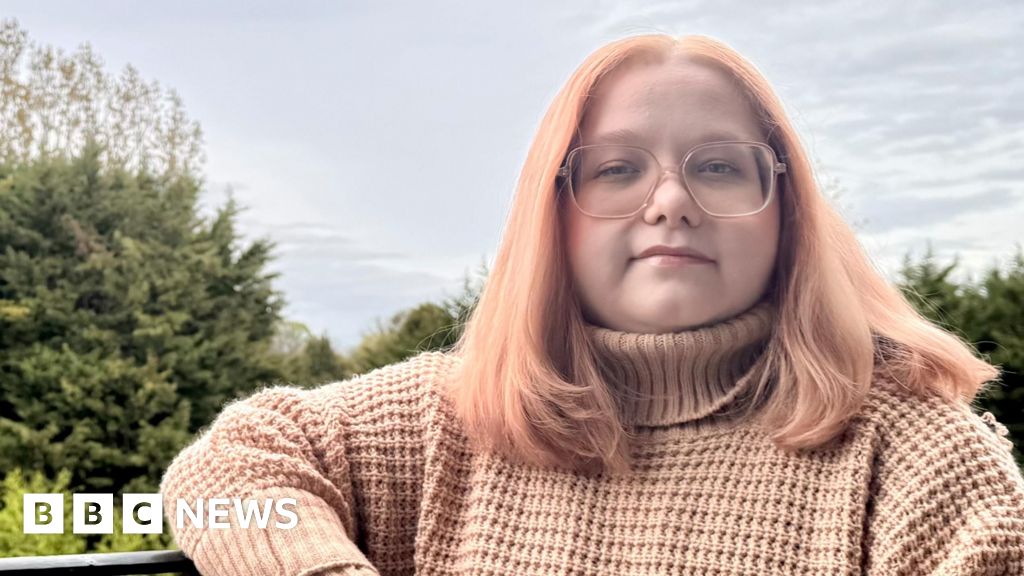
When Beatrice Jones was told at the age of 11 she needed a potentially life-saving blood transfusion, she felt "a wave of nausea" as her "whole world suddenly collapsed". This profound moment of fear and existential dread, experienced by a child facing a medical crisis, underscores the deeply ingrained and often terrifying dilemma faced by Jehovah’s Witnesses when their faith directly conflicts with essential medical treatment. The religious doctrine, which forbids the acceptance of blood transfusions in almost all circumstances, forces followers into an agonizing choice between their spiritual convictions and their physical survival.
Recently, the Jehovah’s Witnesses announced a nuanced change in their policy, allowing members to have their own blood removed, stored, and then reinfused—a process known as autologous donation. However, the core prohibition against accepting blood transfusions from others remains firmly in place. For former members and critics, this "new policy" is seen as a superficial alteration that does little to alleviate the fundamental risks and pressures faced by adherents. They argue that the underlying dogma, which equates the acceptance of blood with spiritual damnation, continues to place lives in jeopardy, compelling individuals to make decisions that defy medical necessity.
Andrew Basoo, a spokesman for the Jehovah’s Witnesses, disputes these claims, stating, "Individual Witnesses make informed medical decisions that reflect their understanding of the Bible, while placing great value on the expertise of the medical professionals caring for them." Yet, the testimonies of individuals like Beatrice Jones and Lloyd Evans paint a starkly different picture, one dominated by fear, coercion, and the profound psychological impact of being forced to choose between life and eternal salvation.
"I remember that moment, 18 years ago, in the GP surgery as if it happened yesterday," says Jones, now 29, recalling her battle with severe anaemia. The deeply ingrained teaching that "Jehovah must always come first" had been instilled in her from a young age. Accepting blood, even to save her own life, was presented as a betrayal of her faith, a sin that could cost her eternal paradise. Growing up within this Christian-based religious movement, known for its zealous door-to-door evangelism and estimated nine million followers worldwide, Jones had absorbed the conviction that obedience to God’s word, as interpreted by the organization, superseded all earthly concerns.
The doctor’s pronouncement of needing a transfusion triggered immediate terror. "I hid in my room and cried because I didn’t know if I would be strong enough to refuse blood, knowing it could possibly save my life," she confesses. The weight of this decision, far too heavy for an 11-year-old, was compounded by an overwhelming fear of what accepting a transfusion would mean. Her mind was a whirlwind of questions about divine judgment and the potential loss of her family and spiritual community. Ultimately, Jones refused the transfusion, opting for alternative treatments. She has since left the Jehovah’s Witnesses, but the memory of that terrifying choice remains a vivid scar.

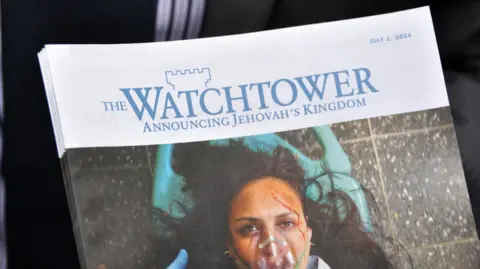
The doctrine that dictates this life-or-death stance is rooted in a literal interpretation of the Old and New Testaments. The organization’s website explains that Jehovah’s Witnesses "avoid taking blood not only in obedience to God, but also out of respect for him as the Giver of life." This interpretation draws heavily from passages like Leviticus 17:10-11: "If any man […] eats any sort of blood, I will certainly set my face against the one who is eating the blood, and I will cut him off from among his people. For the life of the flesh is in the blood." The consequence for unrepentant acceptance of blood can be severe expulsion from the religion, a process akin to excommunication, which often leads to the complete severance of familial and social ties.
This threat of "dissociation," now termed "removal," is what Jones identifies as the overwhelming pressure that ultimately led her to refuse the transfusion. "Would I lose my family? Would I lose my chance of entering the promised paradise?" she questioned, acknowledging that while no single individual pressured her directly, the pervasive knowledge of what happened to others who accepted blood was a powerful deterrent. "It was ingrained," she states, underscoring the collective influence of the community’s beliefs. Despite her doctor’s grave concerns, Jones, who now works in insurance, survived without the transfusion, a testament to her resilience but also a stark reminder of the perilous path she was forced to tread.
The recent policy shift, allowing for autologous blood donation, has been met with deep skepticism from former members. "It’s diabolical," Jones exclaims, her voice laced with anger. "I don’t even have the words. I was so angry when I saw it. You know, all those people that have suffered and now you’re just suddenly, like, ‘Oh, actually, no, it’s a personal choice and actually we’re going to change.’ But actually, nothing has really changed and it won’t make a difference." Her sentiment is echoed by Lloyd Evans, a 46-year-old former Jehovah’s Witness elder from Manchester, now a vocal critic and campaigner.
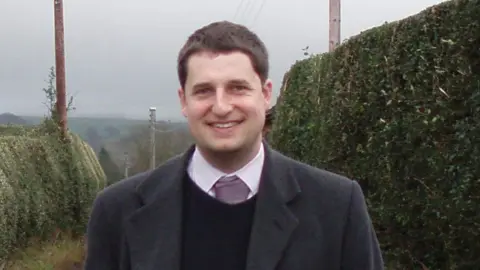
Evans argues that the updated policy is a mere façade, failing to address the deeply ingrained fear that compels followers to abstain from transfusions, regardless of the medical necessity. "Followers will still feel, as a matter of conscience, that they still need to abstain because of the pressure to go above and beyond in showing their loyalty to the organisation," he asserts. He recalls how even past liberalizations, allowing for fractions of blood like hemoglobin and albumin, were still framed as matters of personal conscience, often leading to the same life-threatening dilemmas. "I was ready to die then, so I can imagine many Jehovah’s Witnesses will feel the same way about this new policy," he adds, highlighting the enduring spiritual imperative to refuse all forms of blood transfusion.
Andrew Basoo maintains that there has been no alteration to the "core position that Jehovah’s Witnesses abstain from blood." He clarifies that the allowance for autologous donation is "rooted in Scriptural understanding, not medical developments." This assertion is further challenged by Evans, who contends that the policy is impractical and potentially dangerous, particularly in emergency situations where autologous blood may not be readily available or suitable. He points to the limited shelf-life of stored blood, as outlined by the NHS, and questions the feasibility of relying solely on one’s own blood in unforeseen medical crises.
Evans describes the new policy as a "Frankenstein’s monster," a hastily assembled compromise designed to "save face and come across as being more reasonable." He recounts his experience as an elder, where the Hospital Liaison Committee (HLC) would visit patients to exert "considerable pressure to abstain from blood in all cases." He warns that failure to comply with the elders’ guidance, even in the face of imminent death, results in being "shunned by the organisation and cut off." Evans believes that some hospitals are complicit, "rolling out the red carpet for the committees," mistaking their presence for pastoral care rather than religious coercion, and he advocates for legal intervention to prevent this.
Basoo refutes these allegations, stating that HLCs "do not make medical decisions. Such decisions rest with each individual patient. HLC assistance is only provided upon request." He further claims that clinicians have expressed positive feedback regarding their interactions with HLCs. The Department for Health and Social Care was approached for comment on these matters.
The Jehovah’s Witnesses’ global leadership, through Gerrit Losch, recently reiterated that "each Christian must decide for himself how his blood will be used in medical and surgical care." However, Evans dismisses this as disingenuous, emphasizing the inherent conflict between individual autonomy and the organization’s pervasive influence. "When I was an elder, if a member came to me and expressed a desire for a blood transfusion, the first thing I would do is contact the Hospital Liaison Committee (HLC)," Evans reveals. The committee’s role, according to him, was not to offer support but to "put that member under considerable pressure to abstain from blood in all cases." He reiterates the severe consequences of defiance: "If you ignore the elders, and willingly and unrepentantly accept a blood transfusion, you will be shunned by the organisation and cut off."
The NHS, in line with guidance from the Joint UK Blood Transfusion and Tissue Transplantation Services Professional Advisory Committee (JPAC), notes that autologous donation is typically recommended only for patients with rare blood types or specific antibodies. This medical perspective further highlights the potential disconnect between the Jehovah’s Witnesses’ doctrine and established medical practice.
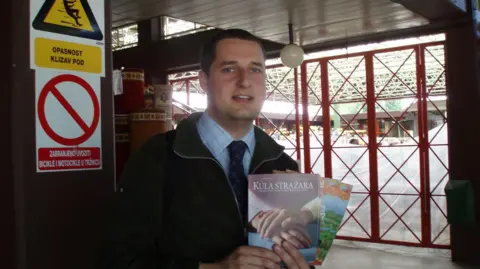
Basoo reiterates the organization’s stance: "Since the Bible does not comment on the use of a person’s own blood, each Christian decides before God how their own blood may be used in all medical and surgical procedures. It has been clarified that this now includes whether to allow his own blood to be removed, stored, and then given back to him. Our core belief regarding the sanctity of blood remains unchanged. Jehovah’s Witnesses make informed, conscientious choices that reflect both Scriptural principles and developments in modern medical practice." However, for individuals like Beatrice Jones and Lloyd Evans, this "clarification" does little to dispel the deeply ingrained fear and the terrifying reality of a choice that still pits faith against the fundamental right to life.


 George Anjay
 Nakalama John
 atisusanti
 Ramos Leo
 Nana Banana