
 Roy Suryo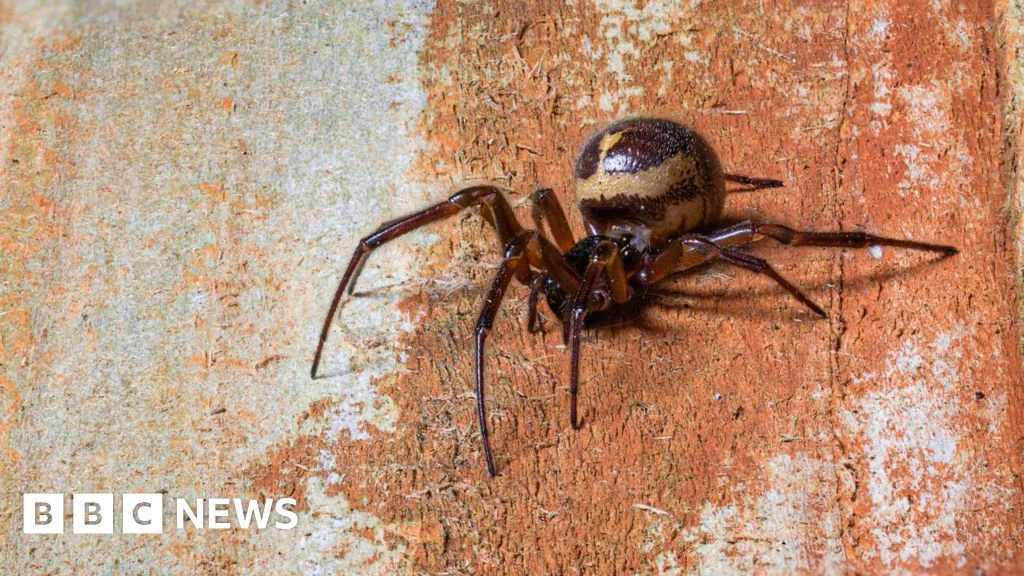
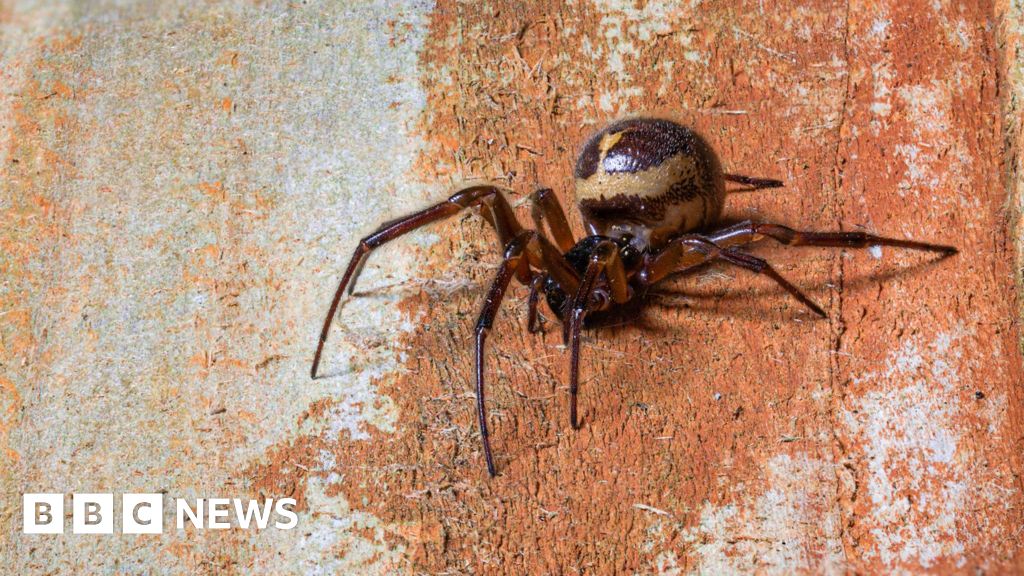
The number of people admitted to hospitals in England due to spider bites has seen a significant increase over the past decade, with the latest figures indicating a substantial jump. According to a freedom of information request conducted by the Press Association, NHS data reveals that hospital admissions linked to spider bites more than doubled from 47 in 2015 to 100 in 2025. This surge is largely attributed by experts to the growing population of the noble false widow spider (Steatoda nobilis), a species increasingly found in and around human dwellings across the UK.
While the charity Buglife emphasizes that these spiders are not inherently aggressive and there are no documented cases of serious illness or death caused by their bites, they can, in rare instances, cause localized pain and swelling. The noble false widow, believed to have originated from Madeira and the Canary Islands, was first identified in southern England in 1879. Its expanding presence has led to a noticeable rise in incidents requiring medical attention.
Clive Hambler, a lecturer in biological and human sciences at the University of Oxford, noted a stark contrast when comparing current trends to fifty years ago, when the consequences of spider bites in Britain were minimal. "The incidents of severe bites from spiders in Britain will have increased, as this species (false widows) became hugely more abundant in Britain, particularly in the south," Hambler stated.
The NHS figures underscore this trend, showing a steady increase in admissions. After 43 hospital admissions due to spider bites in 2021, the number rose to 95 in 2022. In both 2023 and 2024, there were 91 admissions. The data for 2025 further highlights the escalating concern, with 100 admissions recorded. Notably, a significant proportion of these admissions – 73 out of 100 in 2025 – were handled through Accident & Emergency (A&E) departments, compared to 38 out of 47 in 2015, suggesting a greater urgency or perceived severity in recent cases.
Several factors could be contributing to this upward trend. Increased awareness among medical professionals regarding spider bites may lead to more accurate diagnoses and subsequent admissions. Additionally, a growing human population, particularly in areas where the noble false widow is prevalent, naturally increases the potential for encounters.
Dr. Michel Dugon, a zoologist at the University of Galway, described the figures as "interesting" but "not surprising." He pointed to the "explosion in the population of noble false widow" as the most probable cause. "We know that those species indeed can actually bite, that they do have a preference to live in and around houses rather than in natural habitats, at least in the UK and Ireland," Dr. Dugon explained.
However, Dr. Dugon also cautioned that increased media attention surrounding false widow spiders and their bites in recent years might be influencing public perception. This heightened awareness could lead some individuals to seek medical attention for bites they believe are from false widows, even if the cause might be something else entirely. The phenomenon of "cyberchondria" or increased health anxiety fueled by online information could play a role.
Understanding Spider Bite Symptoms
Spider bites typically manifest as small puncture marks on the skin. These can be accompanied by localized pain, redness, and swelling. Professor David Lalloo from the Liverpool School of Tropical Medicine reassured that bites from false widow spiders are generally "not dangerous" and may only cause individuals to feel unwell for a day.
The noble false widow, when it bites, injects a neurotoxin. This toxin can lead to pain at the bite site, minor swelling, and in more extreme cases, symptoms like nausea. It is crucial to distinguish these effects from more severe reactions. Buglife clarifies that the neurotoxins from the noble false widow do not cause gangrene-like infections. Such infections are typically the result of secondary bacterial contamination, which can occur from any scratch or wound, including from insect bites, minor abrasions, or splinters, if the area is not kept clean.
To date, there are no confirmed cases where the noble false-widow spider has been directly responsible for death, coma, or permanent injury in humans. The charity also highlights that female noble false-widow spiders are generally sluggish and non-aggressive, dispelling fears of them actively attacking humans. "They will never run or jump at you in an aggressive manner as some people describe," Buglife states.
The majority of spider species found in Britain possess fangs that are too small or weak to penetrate human skin, rendering them incapable of biting people. Even handling numerous large house or garden spiders is unlikely to result in a bite. The conservation charity emphasizes that most large spiders are not inclined to bite humans.
Occasionally, venomous spiders can be inadvertently introduced into the UK through imported produce or goods. Spiders found in grocery store environments should therefore be treated with caution, as they may originate from foreign locales.
The rise in hospital admissions prompts a closer look at public health messaging and accurate information dissemination regarding arachnid encounters. While the noble false widow is becoming more prevalent, understanding its behaviour and the actual risks associated with its bite is essential to avoid unnecessary alarm. The focus remains on educating the public about proper wound care, recognizing symptoms, and seeking appropriate medical advice when necessary, while also reassuring them about the generally benign nature of most spider encounters in the UK. Further research into the ecological factors driving the increase in noble false widow populations and their interactions with humans will be vital in managing this evolving situation. The trend also highlights the importance of ongoing biodiversity monitoring and understanding the impact of invasive species on public health and safety.




 George Anjay
 Nakalama John
 atisusanti
 Ramos Leo
 Nana Banana