atisusanti
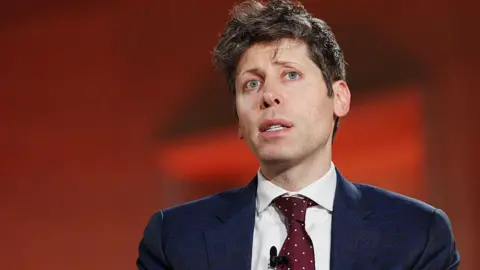
A Texas man, identified as Daniel Moreno-Gama, is facing a litany of serious state and federal charges, including two counts of attempted murder, in connection with a brazen and disturbing attack targeting the San Francisco home of OpenAI CEO Sam Altman. The 20-year-old is scheduled to appear for an arraignment on Tuesday afternoon to formally hear these charges. The incident, which involved the use of a Molotov cocktail, has sent shockwaves through the tech industry and raised urgent questions about the escalating rhetoric surrounding artificial intelligence.
The US Department of Justice alleges that Moreno-Gama was found in possession of documents that vehemently advocated against artificial intelligence, promoting the idea of committing crimes against AI executives and investors. This ideological backdrop appears to have fueled the alleged actions, which authorities describe as an attempt to inflict harm and destruction. In addition to the state charges, Moreno-Gama is also confronting federal felony charges, including possession of an unregistered firearm and attempted damage and destruction of property using explosives.
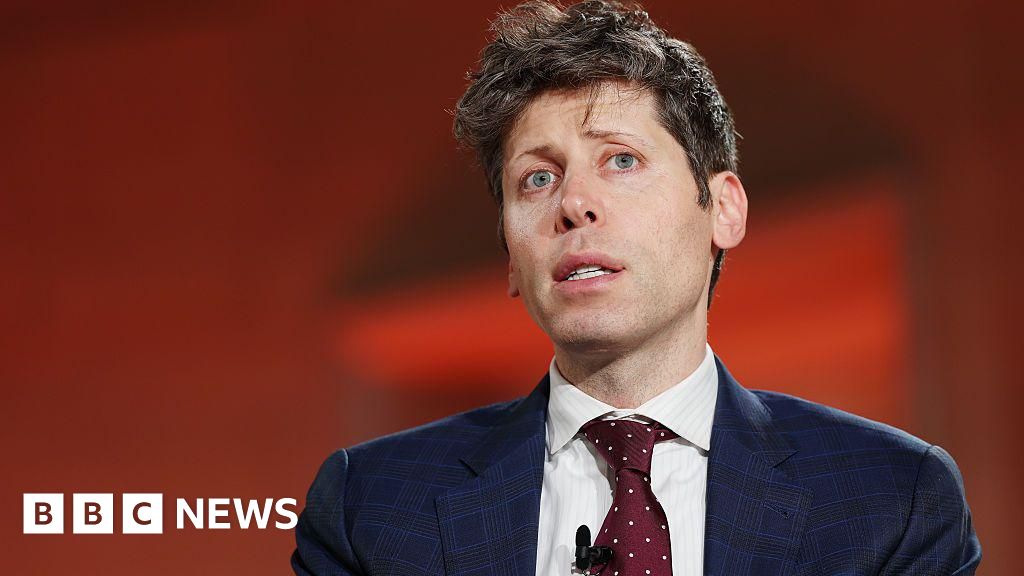
Acting Attorney General Todd Blanche underscored the gravity of the situation, stating, "Violence cannot be the norm for expressing disagreement, be it with politics or a technology or any other matter. These alleged actions — which damaged property and could well have taken lives — will be aggressively prosecuted." His strong words reflect the administration’s commitment to ensuring that such acts of extremism are met with swift and severe legal consequences.
OpenAI itself issued a firm statement condemning the violence. "There is no place in our democracy for violence against anyone, regardless of the AI lab they work at or side of the debate they belong to," the company declared. OpenAI emphasized the need for constructive discourse, asserting, "To ensure society gets AI right, we need to work through the democratic process and we welcome a good faith debate." This statement highlights the company’s stance on fostering open dialogue while unequivocally rejecting violent extremism.
While local and federal authorities initially remained tight-lipped about the specific targets of the attempted attacks, a spokeswoman for OpenAI confirmed to the BBC on Friday that the incident at Altman’s home was indeed the subject of the investigation. The criminal complaint filed by federal prosecutors details a chilling sequence of events. It alleges that Moreno-Gama set fire to an exterior gate at Altman’s residence around 4:00 local time (12:00 BST) on Friday, subsequently fleeing the scene on foot.
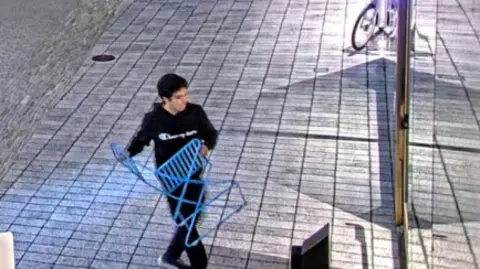
The alleged assault did not end there. Approximately an hour later, Moreno-Gama is accused of attempting to set fire to the San Francisco headquarters of OpenAI, the company renowned for its groundbreaking ChatGPT technology. Security personnel at the OpenAI facility reported that Moreno-Gama attempted to use a chair to break through the building’s glass doors, according to the complaint. The discovery of incendiary devices, a jug of kerosene, and a lighter in Moreno-Gama’s possession further solidified the prosecution’s case.
The recovered documents allegedly paint a disturbing picture of Moreno-Gama’s mindset. Prosecutors claim he carried writings that discussed the potential existential risks posed by AI, including a section chillingly titled: "Some more words on the matter of our impending extinction." Furthermore, the documents purportedly contained alarming declarations, such as, "if I am going to advocate for others to kill and commit crimes, then I must lead by example and show that I am fully sincere in my message." These writings also allegedly listed the names and addresses of board members, chief executive officers, and investors associated with various AI companies, indicating a targeted and premeditated plan. The criminal complaint includes photographic evidence from surveillance cameras, purportedly depicting Moreno-Gama at both locations of the attacks, further corroborating the allegations.
Crucially, no one was injured in either of the incidents. San Francisco District Attorney Brooke Jenkins expressed her relief during a press conference on Monday regarding the state charges, stating, "I’m grateful that Mr. Altman, his family, and his employees were uninjured in these attacks and are safe." Her words echo the sentiment of many who were concerned about the potential for casualties.
Earlier on Monday, the FBI conducted a raid in Texas in connection with the ongoing investigation, according to a post on the social media platform X by FBI Director Kash Patel, suggesting a broader scope to the investigation and the potential for further developments.
The attack on Altman’s home comes in the wake of a critical investigative profile of the OpenAI CEO published in The New Yorker magazine just last week. The article raised questions about Altman’s trustworthiness and his suitability to lead a company at the forefront of developing controversial AI technology. In a social media post hours after the incident at his home on Friday, Altman initially alluded to the "incendiary article about me" and suggested a need to "de-escalate the rhetoric and tactics and try to have fewer explosions in fewer homes, figuratively and literally." However, he later posted on X that he regretted linking the article to the alleged attack, apparently after facing criticism on social media for his initial statement. This interaction highlights the complex and often contentious discourse surrounding AI and its leaders.
The release of ChatGPT by OpenAI in 2022 ignited a global surge of consumer interest in AI chatbots, ushering in a new era of technological exploration and application. Since then, the artificial intelligence industry has attracted an unprecedented wave of financial investment, leading to a dynamic landscape where innovation and skepticism often coexist. The incident involving Moreno-Gama serves as a stark reminder of the potent and sometimes volatile reactions that such transformative technologies can provoke, underscoring the critical need for responsible development, ethical considerations, and robust public discourse in navigating the future of artificial intelligence. The charges against Moreno-Gama represent a significant legal battleground in the ongoing societal debate about the implications of AI and the methods by which dissent should be expressed.


 George Anjay
 Nakalama John
 Ramos Leo