
 Ramos Leo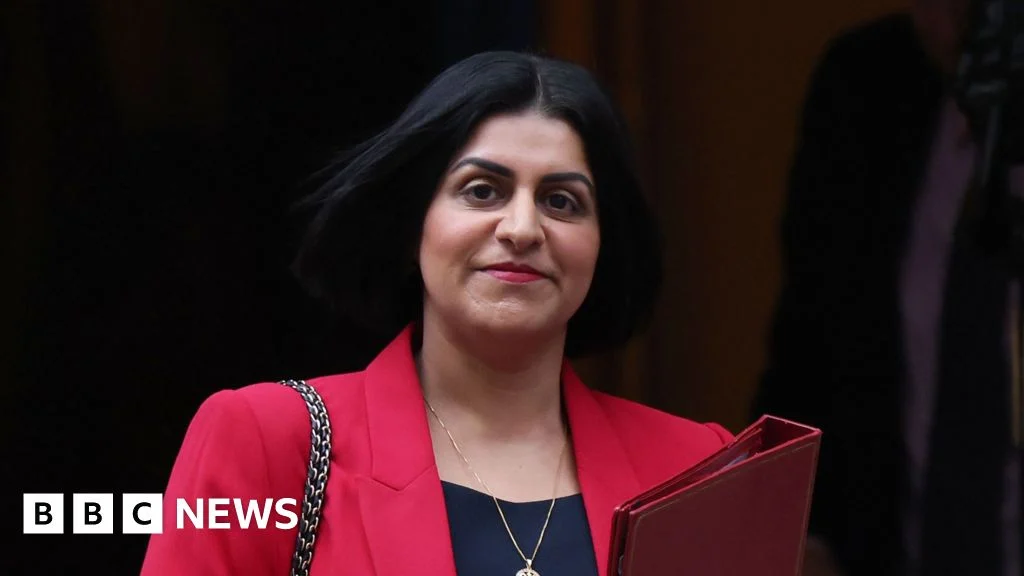
The BBC’s in-depth exposé revealed a disturbing modus operandi: migrants, whose student, work, or tourist visas were nearing expiration, were being supplied with fictitious backstories and meticulously instructed on how to acquire fabricated evidence. This included meticulously crafted supporting letters, doctored photographs, and even falsified medical reports, all designed to bolster their invented claims. These individuals would then apply for asylum, asserting that they were gay and would face life-threatening persecution if compelled to return to their home countries, specifically highlighting nations like Pakistan and Bangladesh where homosexual acts are illegal and carry severe penalties.
The UK’s asylum framework is a crucial safeguard, offering sanctuary to individuals who genuinely cannot return to their countries of origin due to a credible fear of danger, often stemming from persecution based on their sexual orientation or gender identity. However, the BBC News investigation laid bare how this vital protective mechanism is being systematically subverted by unscrupulous legal advisers, who are cynically extracting substantial fees from migrants desperate to remain in the country. Crucially, the investigation underscored that these beneficiaries of fraud were often individuals whose legal right to remain had lapsed, rather than recent arrivals via irregular routes such as small boats.
Home Secretary Shabana Mahmood minced no words in her condemnation. "Anyone abusing protections for people fleeing persecution over gender or sexual orientation is beyond contempt," she stated emphatically. Her message to those contemplating such deceit was unambiguous: "Let me be clear: try to defraud the British people to enter or remain in the UK and your asylum claim will be refused, your support cut off, and you will find yourself on a one-way flight out of Britain. Sham lawyers facilitating this abuse will face the full force of the law." The Home Office, spurred by the BBC’s findings and an internal observation of a growing trend in suspicious claims, has initiated a wider investigation, with the individuals highlighted in the reporting now under intense scrutiny.
The revelations sent shockwaves through the political landscape, eliciting strong reactions from across the spectrum. The Conservative opposition, through shadow home secretary Chris Philp, seized on the investigation, asserting it "exposes the scam at the heart of many asylum claims." Philp unequivocally demanded that the legal advisers implicated "should be prosecuted for immigration fraud," calling for a fundamental "overhaul" of the system to ensure that only those genuinely facing personal persecution are granted asylum.
The Liberal Democrats also weighed in, with immigration and asylum spokesman Will Forster describing the BBC’s findings as "abhorrent." He articulated the need for "an asylum system that is fair, controlled and efficient," contrasting it sharply with what he termed "the shambles the Conservatives left us with." Forster urged the government to launch an immediate and thorough investigation into the prevalence and scale of this systemic abuse.
Reform UK’s home affairs spokesman, Zia Yusuf, echoed the outrage, labelling it "an outrageous scandal that must be urgently investigated." He insisted that "any lawyer found to be aiding false asylum claims should face prosecution." Yusuf went further, laying the blame squarely at the feet of the previous Conservative administrations, arguing that they "created a broken asylum system, riddled with loopholes, that has allowed millions to enter the country. Those loopholes are being exploited through false claims, driven by politically motivated lawyers."
Beyond the political arena, regulatory bodies and human rights advocates expressed profound concern. The Solicitors Regulation Authority (SRA), the independent regulatory body for solicitors and law firms in England and Wales, confirmed it was "urgently following up" with all firms under its regulation identified in the BBC’s reporting. Jonathan Peddie, executive director of investigations, enforcement and litigation at the SRA, underscored the gravity of the situation: "If we find evidence that anyone we regulate has acted in ways that contravene their duty to act legally and uphold the law, we will take action." This commitment signals a potential wave of disciplinary proceedings and sanctions for those found to be complicit.
The human cost and ethical implications of such fraud were passionately articulated by those who have genuinely sought and received asylum on LGBT grounds. Aderonke Apata, who founded the African Rainbow Family charity and was granted asylum in the UK after facing the death penalty in Nigeria for being a lesbian, expressed her profound dismay. She stated she was "appalled" by the BBC’s findings, emphasizing how such fraudulent claims "dismisses the real struggle that we face as a community." Apata warned that this abuse would make it "extremely difficult for genuine people who are seeking asylum and LGBTIQ people… to be able to be successful in their asylum claims," effectively undermining the credibility of legitimate cases.
Her sentiments were echoed by various LGBT groups who reported an alarming trend. They described an increasing number of individuals attending their meetings, seemingly with ulterior motives. Tom Guy, the founder of National Student Pride, recounted observations of people "turning up… they take photos and they would leave. They weren’t even staying for the event." This pattern suggests an organized effort to gather superficial "evidence" of engagement with the LGBT community, further highlighting the calculated nature of the fraud.
Human rights campaigner Peter Tatchell, whose foundation assists individuals in securing asylum on LGBT grounds, provided a nuanced perspective. While asserting that the "vast majority of claims" were genuine and had undergone "a rigorous criterion," he also revealed that his foundation had been "swamped" by individuals from Pakistan specifically claiming to be LGBT and seeking letters of recommendation. This anecdotal evidence from a seasoned campaigner lends further credence to the Home Office’s statistical observations.
Imran Hussain, from the Refugee Council charity, condemned the actions of "unscrupulous advisers" who are "exploiting desperate and vulnerable people for profit," insisting that "those responsible must be held to account." He drew a stark contrast between fraudulent claims and the harrowing reality faced by genuine LGBTQ+ refugees. "Every day in our frontline services we work with LGBTQ+ refugees from countries like Uganda and Pakistan who have faced imprisonment, violence and abuse simply for who they are, and who have come to Britain so they can live safely and openly," Hussain stated. He stressed the critical importance that "these kinds of abuses must not be used to undermine the credibility of people with genuine need for asylum."
While precisely quantifying fabricated asylum applications remains a challenge, Home Office statistics provide compelling evidence of a disproportionate trend. Data from 2023, the most recent year available, reveals that Pakistani nationals accounted for a staggering 42% of all asylum claims citing an LGBT element. This figure is particularly striking given that Pakistani nationals represented only 6% of overall asylum applications in the same year, making them only the fourth most common nationality for all claims. This consistent pattern of Pakistani nationals constituting the largest number of such claims for five consecutive years preceding 2023 strongly suggests a targeted and systematic exploitation of this particular asylum route. Furthermore, the fact that nearly two-thirds of asylum seekers claiming persecution on the basis of sexual orientation had their claims granted at the initial stage in 2023 underscores why this avenue might be particularly attractive to those seeking to abuse the system.
The potential ramifications of this scandal are far-reaching. Beyond the immediate legal consequences for "sham lawyers" and fraudulent claimants, there is a significant risk of eroding public trust in the integrity of the asylum system. This could, in turn, harden public and political attitudes towards all asylum seekers, making it even more challenging for individuals with genuine and life-threatening claims to receive the protection they desperately need. The government’s pledge for robust action aims not only to punish wrongdoers but also to restore confidence in a system designed to protect the most vulnerable, ensuring that vital protections are not compromised by deceit and exploitation. The challenge now lies in implementing these promises effectively, without inadvertently creating obstacles for those who truly depend on the UK’s compassion and legal protections.

 George Anjay
 Nakalama John
 atisusanti
 Roy Suryo
 Nana Banana