atisusanti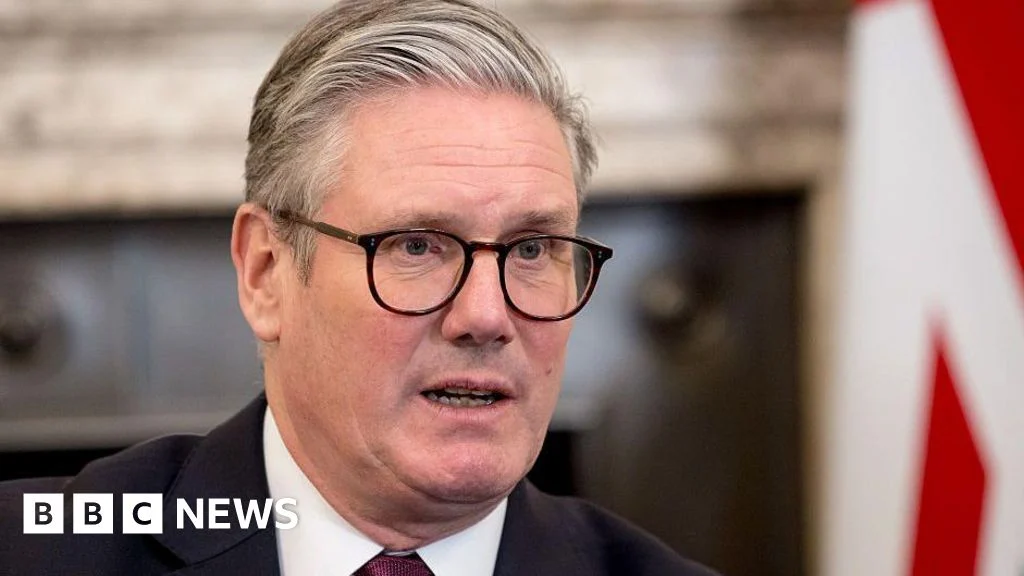
London, UK – In a significant move to address escalating concerns over child safety in the digital realm, Prime Minister Sir Keir Starmer has convened a high-stakes meeting at Downing Street with the chief executives of the world’s leading social media platforms. The urgent summit, held on the evening of April 15th, 2026, aims to intensify pressure on tech giants to bolster their protective measures for young users and demonstrate greater accountability in the face of growing parental anxieties.
Executives representing social media behemoths such as Meta, Snap, YouTube, TikTok, and X are reportedly in attendance, facing pointed questions from Sir Keir and Technology Secretary Liz Kendall. The core of the discussion centres on the tangible actions these companies are taking to safeguard children from online harms and their responsiveness to the persistent concerns voiced by parents nationwide. Sir Keir articulated the meeting’s imperative, stating, "This is about making sure social media companies step up and take responsibility. The consequences of failing to act are stark. We owe it to parents, and to the next generation, to put children’s safety first – because they won’t forgive us if we don’t."
While Downing Street has remained tight-lipped regarding the specific representatives from each tech firm, the presence of such senior figures underscores the gravity with which the government is treating this issue. Number 10 acknowledged that some platforms have made strides, implementing features like disabling autoplay for children by default and enhancing parental controls over screen time. However, the broader sentiment from the government is that these efforts are insufficient given the scale of the challenge.
Professor Gina Neff, head of the Minderoo Centre for Technology and Democracy at the University of Cambridge, offered her perspective on the strategic timing of the meeting. She suggested it serves as a crucial platform for the government to project an image of being "on the front foot" regarding online safety. Furthermore, Professor Neff noted that such a high-profile engagement allows the government to maintain a strong stance on online harms, particularly at a time when there are "changing geopolitical pressures on the government to be easy on US companies." This suggests a delicate balancing act between fostering innovation and ensuring robust consumer protection.
The meeting occurs in the immediate aftermath of a significant parliamentary vote. On Wednesday evening, UK MPs rejected, for the second time, calls to implement a ban on social media for individuals under the age of 16. This proposed ban had previously garnered support from peers in the House of Lords. Ministers justified their decision by arguing that an outright ban was premature, given the government’s ongoing consideration of introducing its own regulatory framework. Instead, MPs voted to empower ministers with the authority to enact their own bespoke rules governing online platforms.
However, this parliamentary decision has drawn sharp criticism from opposition benches. Laura Trott, the Conservative shadow education secretary, voiced her disappointment, stating, "Labour MPs have once again failed parents and children by voting against a ban on social media for under-16s and against removing smartphones from schools. Other countries are waking up to the harms, but under Keir Starmer the UK is falling behind." Her comments highlight a partisan divide on the most effective approach to safeguarding young people online.
Echoing the call for more decisive action, Liberal Democrat education spokeswoman Munira Wilson declared, "The time for half-measures is over – we need action now to restrict the most harmful platforms for under-16s." Her statement emphasizes a growing consensus across the political spectrum that existing measures are inadequate and that a more interventionist approach is required.
The international context of online safety for minors is also a significant consideration. Recent research from the Molly Rose Foundation, a prominent internet safety charity, revealed that despite the introduction of a ban on social media for under-16s in Australia in December 2025, over 60% of underage Australians continue to use these platforms. This finding underscores the complexities of enforcing such bans and suggests that technological solutions alone may not be sufficient.
Andy Burrows, chief executive of the Molly Rose Foundation, welcomed the Prime Minister’s initiative in calling the Downing Street meeting. However, he cautioned against the possibility of the discussions concluding with mere "hollow promises" from tech leaders. Mr. Burrows stressed the need for tangible outcomes, urging, "Keir Starmer must turn his welcome rhetoric into action with a clear commitment in the King’s Speech to a new Online Safety Act that finally calls time on cavalier business models that put profit before safety." This call for legislative action points to a desire for a more robust and legally binding framework to govern online safety.
Professor Amy Orben, a leading expert in digital mental health at Cambridge University, underscored the critical importance of holding social media companies accountable for their underlying business models. She stated, "Social media companies’ increasingly powerful algorithms have caused concern across the population, with young people and parents telling us that they experience struggles to disengage from the online world." Professor Orben’s remarks highlight the psychological impact of algorithmic design and the challenges young people face in managing their online engagement.
The broader governmental efforts to address online harms are currently encapsulated in a national consultation, "Growing Up in the Online World." This consultation, which is also exploring potential age restrictions for other digital services such as gaming sites and AI chatbots, is set to conclude on May 26th. Downing Street has reported an overwhelming response to this initiative, with over 45,000 submissions received, in addition to input from approximately 80 organizations, including schools and community groups. This extensive public engagement signals a concerted effort by the government to gather a wide range of perspectives before enacting future policies. The outcomes of this consultation, combined with the pressure generated by the Downing Street summit, are expected to shape the future regulatory landscape for social media and its impact on children.


 Roy Suryo