Nana Banana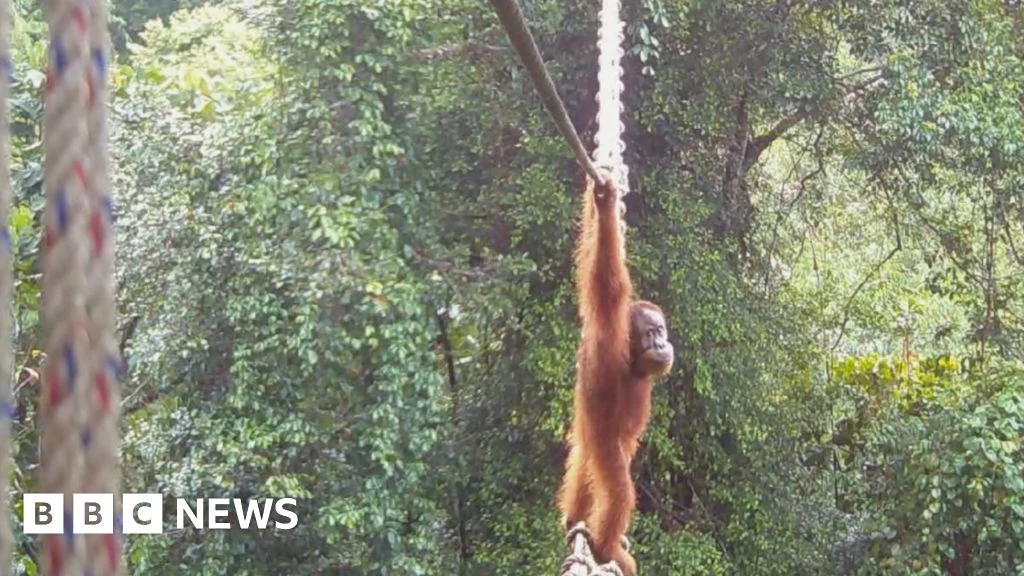
The gravity of the situation prompted a swift and collaborative response from dedicated conservation groups. The Sumatran Orangutan Society (SOS), an organization at the forefront of orangutan protection, partnered with Tangguh Hutan Khatulistiwa, another key environmental advocate, to devise an innovative solution. Their efforts were bolstered by the crucial cooperation and support of the Indonesian government, recognizing the ecological and national significance of protecting these iconic primates. After extensive planning and ecological assessments, the groups embarked on an ambitious project: the construction of a bespoke canopy bridge. This wasn’t merely a structural undertaking; it was an act of profound hope, a meticulously engineered lifeline designed to reconnect the fractured forest canopy and, by extension, the divided orangutan communities. The bridge was crafted using robust, naturalistic materials, mimicking the strength and flexibility of the existing arboreal pathways. Thick, durable ropes were interwoven with repurposed industrial materials, such as heavy-duty fire hoses, to create a stable, resilient pathway that could withstand the tropical climate and the weight of the orangutans. Suspended high above the new road, spanning the disruptive chasm, the bridge was designed to seamlessly integrate into the forest environment, appearing as a natural extension of the tree canopy. The hope was that these intelligent, tree-dwelling primates, inherently cautious of novel structures, would eventually perceive it as a safe and viable route to cross between their now disparate forest territories.
However, the initial optimism was tempered by a prolonged period of uncertainty. Despite the careful planning, the substantial investment of resources, and the urgent need for reconnection, the meticulously constructed canopy bridge remained untouched and unused for an agonizing two years. Conservationists, who had dedicated countless hours to its design and implementation, monitored the bridge with a mixture of anticipation and growing concern. Camera traps were strategically placed, and field teams conducted regular observations, but week after week, month after month, the orangutans, known for their cautious nature and reliance on established pathways, seemed unwilling to venture onto the new, man-made structure. This prolonged period of non-use sparked internal debates and anxieties among the project’s stakeholders. Had they misjudged the orangutans’ adaptability? Was the bridge too alien, too precarious in their eyes? The forest, once a continuous realm, now had a jarring, artificial divide, and the orangutans, seemingly entrenched in their separated territories, continued to navigate the limitations imposed by the road. The looming threat of genetic degradation continued to cast a long shadow over the future of the isolated populations, amplifying the urgency for the bridge to fulfill its intended purpose.
Then, after 24 months of patient waiting and mounting apprehension, a moment of extraordinary courage and instinct shattered the quiet despair. One morning, under the watchful eyes of the remote monitoring systems, an adult male orangutan, driven perhaps by an innate curiosity or the imperative to seek new foraging grounds or potential mates, approached the suspended pathway. His movements were initially tentative, a characteristic display of orangutan caution. He paused at the threshold, meticulously inspecting the woven ropes and the expanse of the canopy bridge with his keen intellect, his long, powerful arms testing its stability. The air, for the observers, must have been thick with suspense. After a period of careful deliberation, a testament to his species’ intelligence and problem-solving abilities, the brave orangutan made the decisive move. With deliberate grace and powerful, swinging motions, he launched himself onto the bridge, beginning the perilous journey across the void. Every movement was a testament to his strength and arboreal agility, his long reddish-brown hair shimmering as he navigated the innovative structure. He traversed the entire length of the bridge, a pathway hundreds of feet long, bridging not just a physical gap but also the chasm of uncertainty that had plagued conservation efforts. His successful crossing to the other side of the forest marked a monumental breakthrough, not just for him, but for the entire fragmented community.
Helen Buckland, chief executive of SOS, articulated the profound significance of this singular event to the BBC, conveying the overwhelming sense of relief and elation that swept through the conservation community. She described the crossing as "long anticipated and exciting," an understatement given the two years of anxious waiting and the critical stakes involved. This pioneering act, she emphasized, held the potential to "vastly change things for the primates." The implications were immediate and far-reaching. The most pressing concern, the threat of inbreeding, could finally begin to dissipate. With one individual having successfully demonstrated the bridge’s safety and utility, the expectation was that others would soon follow, initiating a much-needed genetic exchange between the previously isolated groups. This renewed flow of genetic material would be crucial for bolstering the overall health and viability of the Sumatran orangutan population in that region, mitigating the risks of genetic erosion and enhancing their long-term survival prospects.
Beyond genetics, the bridge offered a host of other benefits. Reconnecting the forest canopy meant that orangutans on both sides would regain access to a significantly larger foraging area, enriching their diet and reducing competition for resources within their smaller, confined territories. This expanded access to diverse food sources is vital for their nutritional health and overall well-being. Furthermore, the ability to cross would increase mating opportunities, allowing individuals to find suitable partners from a broader gene pool, which is essential for healthy reproduction and the propagation of robust offspring. The psychological impact on the orangutans, though harder to quantify, was also considered significant. The stress of isolation and the inability to access traditional ranges or connect with other groups could be immense for such intelligent and socially complex animals. The bridge offered a return to a more natural, expansive existence.
This singular act of bravery by one orangutan transformed the canopy bridge from a mere structure into a symbol of hope and effective conservation. It underscored the critical role of innovative, habitat-specific solutions in mitigating the devastating effects of human encroachment. The success story also serves as a powerful testament to the adaptability of wildlife, even in the face of profound environmental changes, when given the right tools and opportunities. For SOS, Tangguh Hutan Khatulistiwa, and the Indonesian government, the crossing validated years of effort and investment, proving that strategic human intervention, guided by scientific understanding and a deep commitment to conservation, can indeed make a tangible difference.
Looking ahead, the project’s success will undoubtedly inspire similar initiatives in other fragmented habitats across Sumatra and beyond. The ongoing monitoring of the bridge and the orangutan populations will be crucial to assess the long-term impact on their genetic diversity, population growth, and overall health. Furthermore, this achievement highlights the broader challenges facing Sumatran orangutans, including the relentless pressure from the palm oil industry, illegal logging, and human-wildlife conflict. While the canopy bridge offers a localized solution, it is part of a much larger, ongoing battle to preserve the remaining rainforests and secure a future for these magnificent great apes. The pioneering orangutan’s journey across the bridge is more than just an exciting animal anecdote; it is a profound narrative of resilience, a triumph of collaborative conservation, and a beacon of hope for the future of biodiversity in one of the planet’s most threatened ecosystems. It signifies that even in the face of daunting ecological challenges, a single act of courage, facilitated by dedicated human effort, can ignite a ripple effect that vastly improves the prospects for an entire species.


 George Anjay
 Nakalama John
 atisusanti
 Ramos Leo