Nakalama John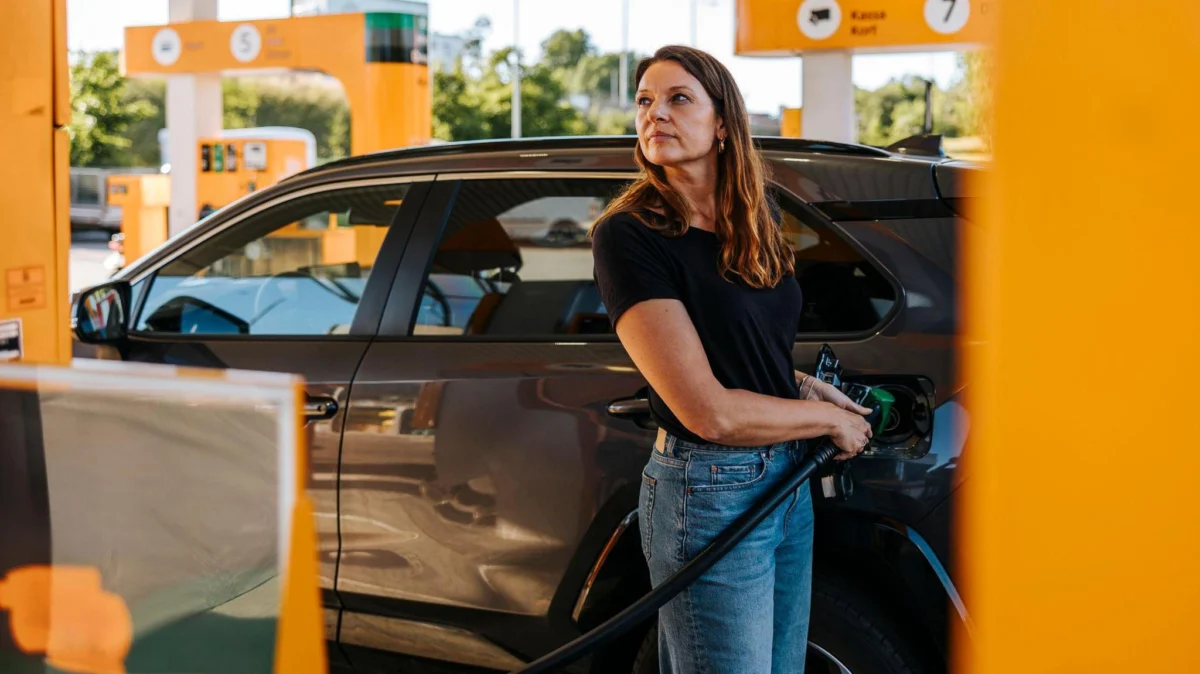
The current upward trend mirrors the initial dramatic price hikes seen when the conflict first erupted on February 28th. At that time, global energy markets reacted swiftly and severely, as intense fighting in the Middle East significantly disrupted the production and, crucially, the transportation of vital oil and gas supplies. This initial shock sent wholesale prices spiralling, translating almost immediately into higher costs for motorists across the UK. A brief respite, however, offered a glimmer of hope. In June, an agreement on a framework deal between the United States and Iran appeared to signal a potential de-escalation, causing fuel prices to plummet in anticipation of a return to stability. Unfortunately, that optimism proved short-lived. With the peace talks now officially collapsed and tensions resurfacing, the downward trajectory has reversed, and prices are once again on the rise. Simon Williams, the head of policy at motoring firm RAC, warned that "the increases are likely to keep coming thick and fast," indicating a sustained period of higher costs.
Understanding the direct correlation between international crude oil prices and the cost consumers pay at the pump is fundamental to grasping the current situation. Crude oil serves as the primary raw material for both petrol and diesel. Consequently, any significant increase in its wholesale cost inevitably translates into more expensive fuel for drivers. Market analysts frequently cite a rule of thumb: every $10 (£7.53 at current exchange rates) increase in the price of a barrel of oil typically pushes up pump prices by approximately 7 pence per litre.
The volatility of Brent crude, the global benchmark for wholesale oil prices, since the onset of the conflict, vividly illustrates this dynamic. Before the outbreak of hostilities, Brent crude was trading at a relatively stable level of around $70 a barrel. The immediate impact of the war, however, saw prices soar, peaking at over $120 a barrel as supply fears gripped the market. The subsequent announcement of the framework peace deal in early July provided a temporary reprieve, causing prices to retreat significantly, falling back to near the pre-conflict $70 mark. This period offered a brief window of relief for consumers. However, with the breakdown of negotiations, Brent crude has climbed steadily once more, currently hovering around $87 a barrel, and experts fear it could continue its upward trajectory if geopolitical tensions remain high.
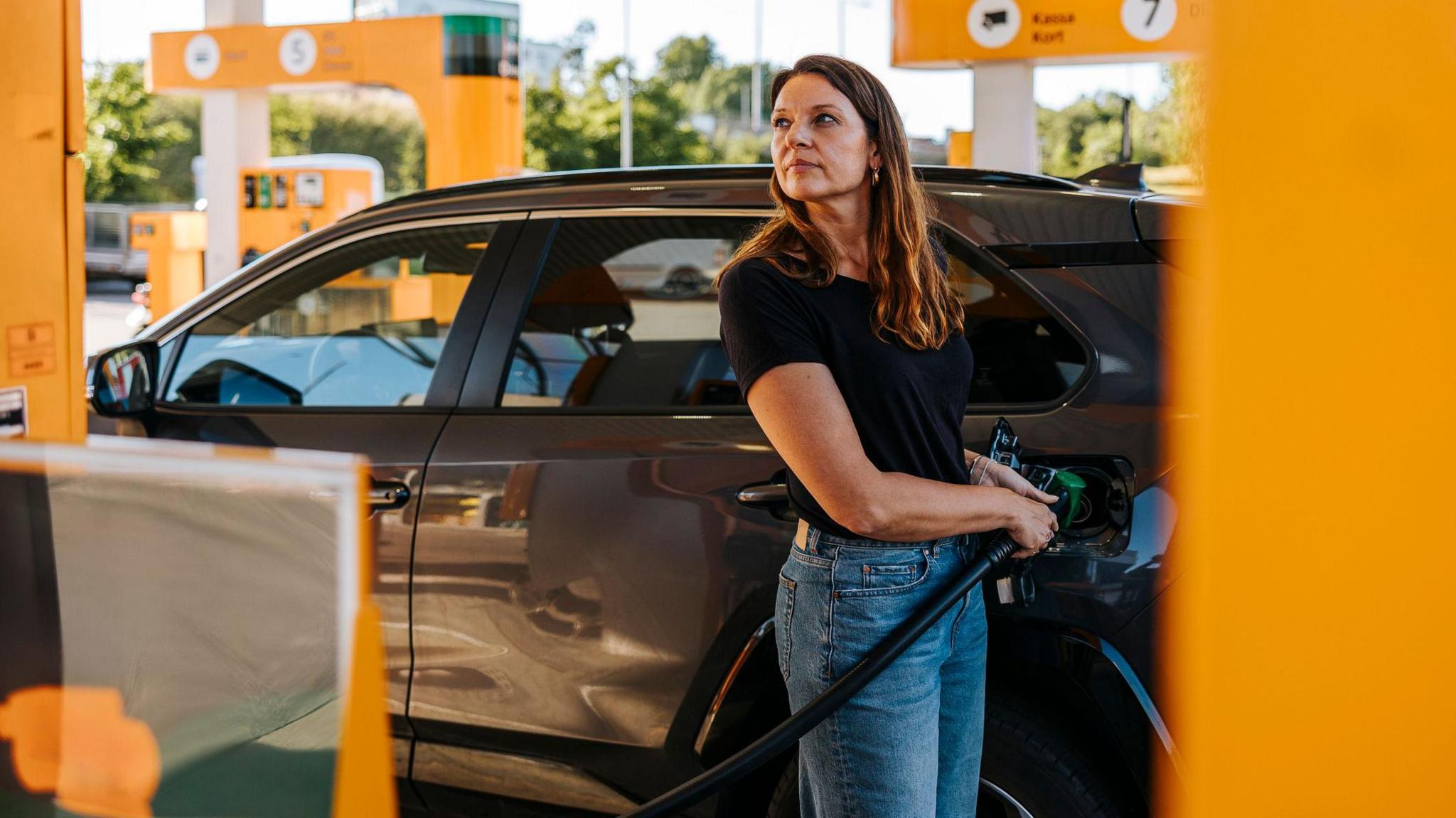
For UK motorists, these wholesale price fluctuations have translated directly into a rollercoaster ride at the pumps. According to data compiled by the RAC, the average price of petrol hit an "Iran war peak" of 159.53 pence per litre on May 28th. Diesel, often more susceptible to supply chain disruptions, saw its highest average price during the conflict reach 191.54 pence per litre on April 15th. Following the optimistic news of the framework deal, prices fell considerably, with the RAC reporting an average low of 150.50p per litre for petrol and 164.52p per litre for diesel in early July. However, the latest figures paint a different picture: petrol now costs an average of 152.54p a litre, while diesel stands at 167p a litre, signalling the start of the new upward trend that Simon Williams predicts will continue.
Despite these recent increases, it’s worth noting that current petrol and diesel prices remain below the all-time highs experienced in the summer of 2022. That period saw unprecedented surges, largely driven by Russia’s full-scale invasion of Ukraine, pushing petrol to a staggering 191.5p a litre and diesel close to the £2 mark at 199p. This historical context provides some perspective on the severity of the current situation, though it offers little comfort to drivers facing rising costs. It is also important to remember that price movements in the wholesale oil markets do not instantly manifest at the fuel pumps. Due to the complex and time-consuming process of transporting, refining, and distributing oil, there is typically a lag of about two weeks before changes in wholesale prices are fully reflected in what consumers pay.
Amidst public concern over rising prices, there have been accusations of "price gouging" directed at fuel retailers. However, the official markets regulator conducted an investigation and stated it had "not seen evidence of retailers actively changing their pricing strategies to take advantage of the crisis." This suggests that retailers are primarily passing on the higher wholesale costs they themselves are incurring. To empower consumers, the government has implemented a scheme called "Fuel Finder," an online tool that allows drivers to compare the cost of fuel offered by petrol stations across the UK. This initiative aims to foster competition and help motorists find the cheapest local options. Luke Bosdet, the head of policy at the AA, expressed surprise at the speed with which prices fell during the brief period of optimism, attributing this positive response partly to the effectiveness of the Fuel Finder scheme in encouraging competitive pricing. In a further move to mitigate the impact on consumers, Prime Minister Sir Keir Starmer announced on May 20th that a planned 5p increase in fuel duty, originally slated for September, would be postponed until December 31st, specifically citing the ongoing conflict as the reason for the delay. This deferral provides temporary relief from an additional tax burden that would have further inflated pump prices.
The profound impact of the US-Israel war with Iran on global oil prices stems primarily from its geographical location and the critical shipping lanes it affects. The conflict has, in effect, severely hampered or even temporarily closed the Strait of Hormuz. This narrow waterway, situated between the Persian Gulf and the Gulf of Oman, is one of the world’s most strategically important chokepoints for energy transportation. An estimated 20% of the world’s oil and liquefied natural gas (LNG) normally passes through this vital artery. Any disruption here creates immediate and widespread fear in global markets about supply shortages, driving up prices. Even with the brief framework deal in place, experts warned that a full return to normal levels of shipping through the Strait of Hormuz would be a gradual process, taking considerable time. The lingering effects of the war, they cautioned, would continue to ripple through the global economy for potentially months to come, impacting not just energy prices but also broader supply chains and inflationary pressures.
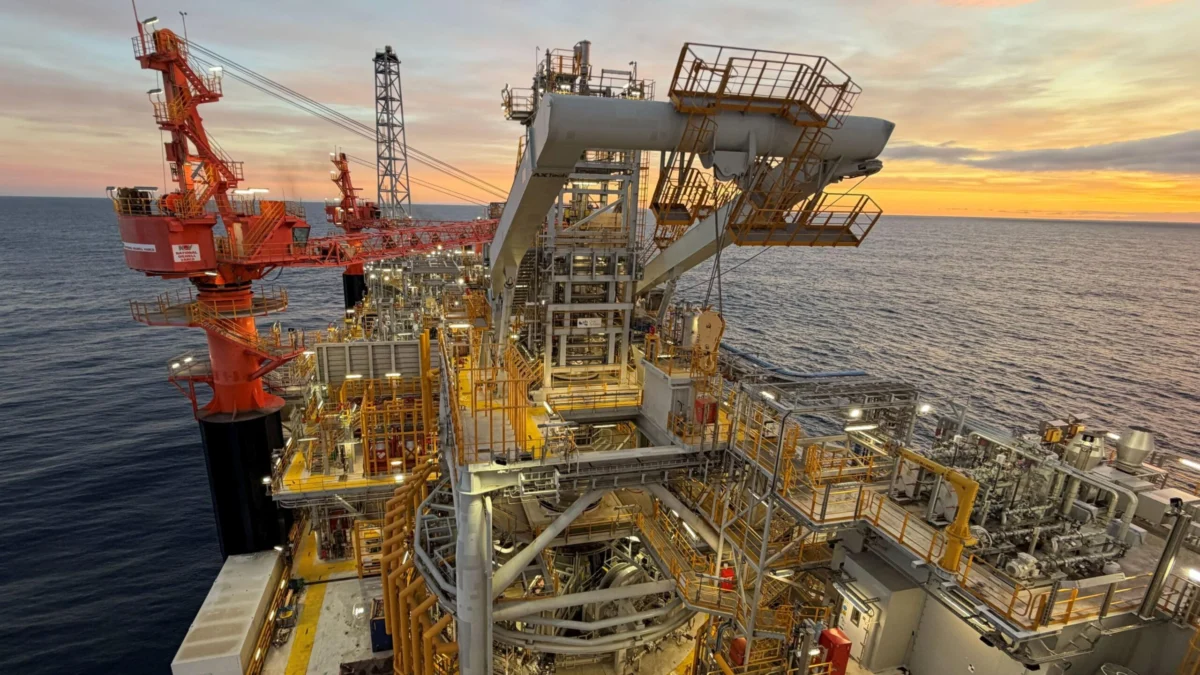
The United Kingdom’s energy security is particularly vulnerable to such international disruptions because it is heavily reliant on oil and gas imports. While the UK does extract some oil from its North Sea fields, the majority of this domestic production is typically exported for refining elsewhere, meaning the country still needs to import refined products or crude for its own refineries. The majority of the UK’s oil and gas imports originate from the United States and Norway, making it susceptible to global price benchmarks, regardless of where the oil is physically sourced. When the price of oil escalates on the global market due to geopolitical events, the UK inevitably pays more for its essential energy supplies.
The confluence of renewed geopolitical instability, the strategic importance of the Middle East to global energy flows, and the UK’s inherent reliance on imports creates a challenging outlook for fuel prices. While government measures like the Fuel Finder scheme and the postponement of the fuel duty increase offer some mitigation, the underlying drivers of price increases remain largely external and subject to the volatile dynamics of international relations. As the RAC’s Simon Williams indicated, drivers should brace for continued increases as long as the tensions surrounding the US-Israel war with Iran persist and its impact on the Strait of Hormuz and global oil markets remains significant. The situation underscores the intricate web of global economics and geopolitics that directly affects the everyday costs faced by ordinary citizens.


 George Anjay
 Ramos Leo
 atisusanti
 Roy Suryo