Nakalama John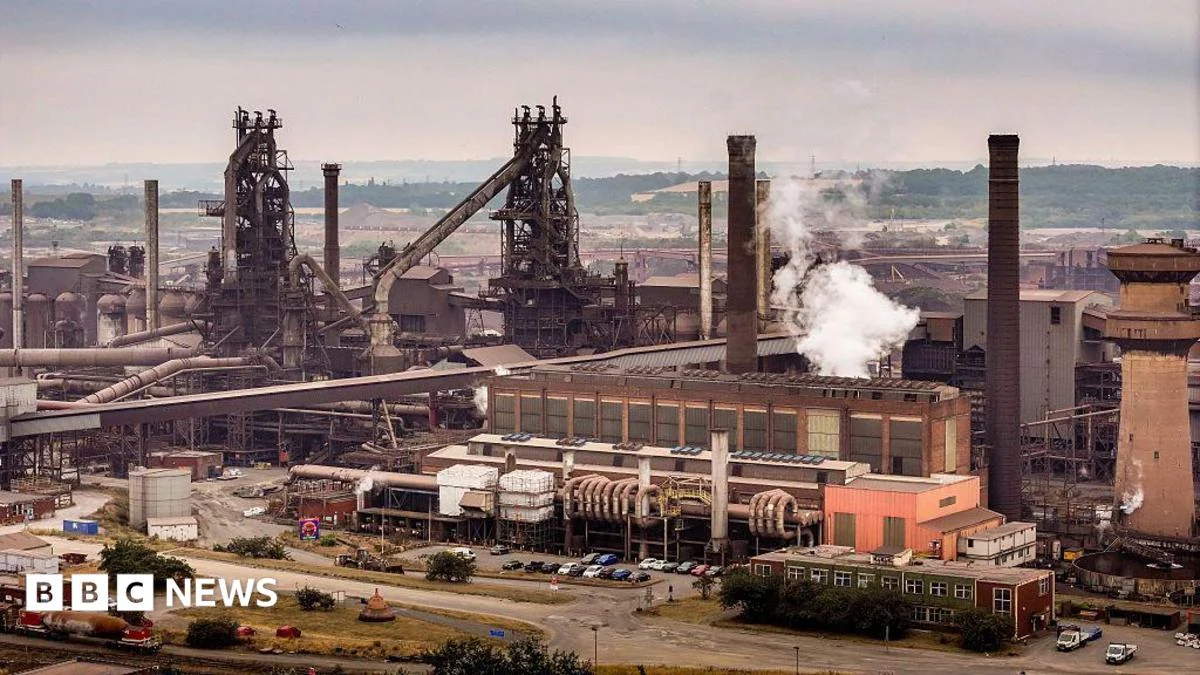
Beijing has vehemently condemned the nationalisation of British Steel, asserting its "firm opposition and strong dissatisfaction" with the British government’s contentious decision. The move, announced on Thursday by the UK government, saw the loss-making firm brought into public hands, a measure described as essential to protect thousands of jobs and safeguard a "vital national capability" within the UK. This intervention marks a dramatic escalation in the ongoing saga of British Steel, which has been grappling with immense financial pressures and an uncertain future.
For the past year, the UK government had maintained operational control over British Steel’s extensive facilities in Scunthorpe, a crucial step taken to stabilise the company amidst mounting losses. However, the underlying ownership remained with China’s Jingye Group, a situation that significantly constrained the government’s capacity to dictate the firm’s long-term strategic direction or implement comprehensive restructuring plans. This complex arrangement created a state of limbo, with the government covering operational costs while lacking full control over its future.
In a sharply worded statement issued on Friday, China’s commerce ministry asserted that the nationalisation "seriously infringed upon Jingye’s legitimate rights and interests and severely undermined the confidence of Chinese companies investing in the UK." The ministry underscored the profound negative signal this decision sends to potential Chinese investors, suggesting a disregard for established international investment norms and a potential for arbitrary intervention. They called upon Britain to "faithfully fulfil" its obligations under the China-UK Bilateral Investment Treaty (BIT), a legally binding agreement signed in 1986 designed to foster and protect mutual investments.
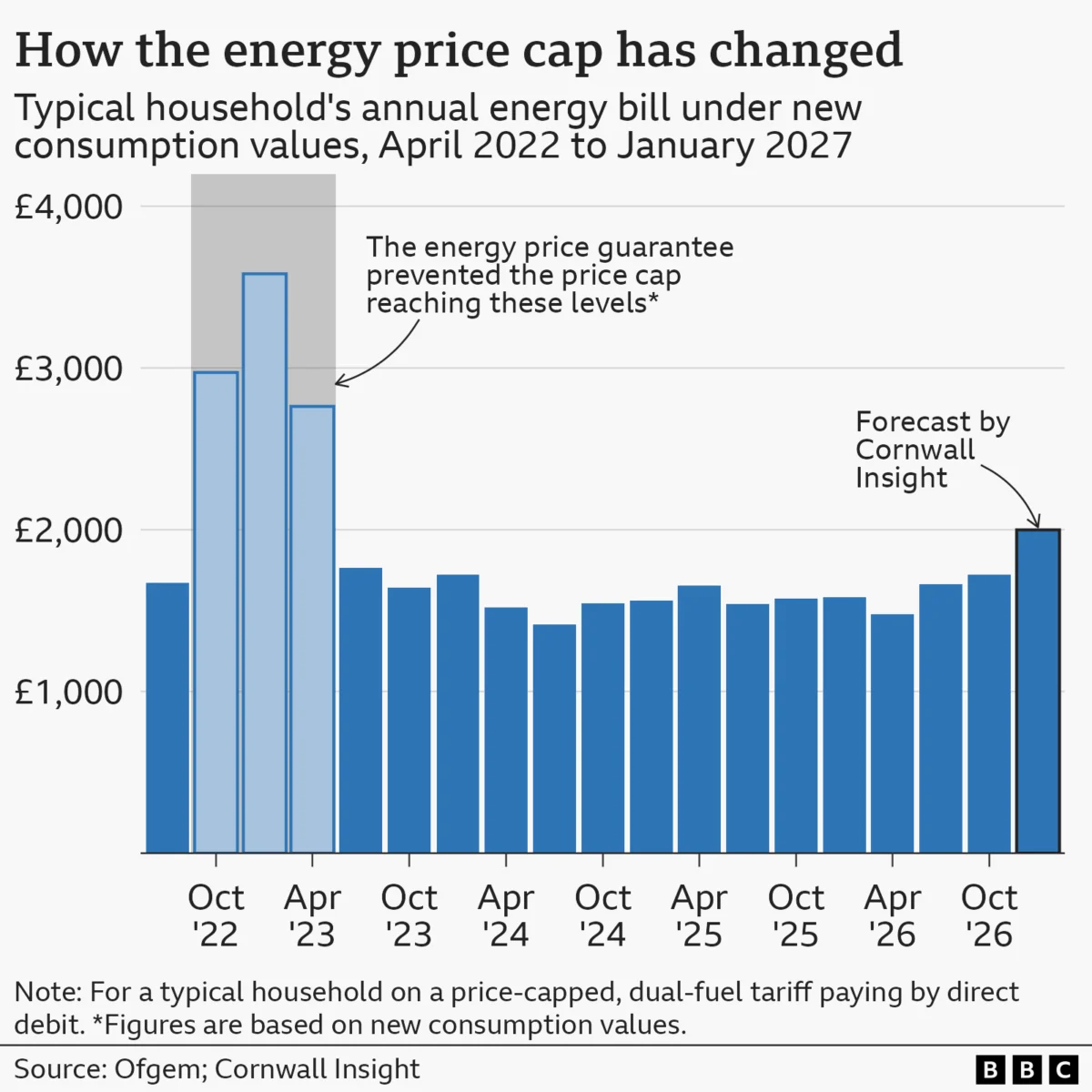
The ministry’s statement further accused the British side of "disregarding Jingye’s significant contribution to the UK economy and society," arguing that it had "forcibly took control of the company in the name of national security." This accusation highlights Beijing’s perception that the national security rationale is a pretext for an economic intervention detrimental to Chinese interests. Jingye Group, since acquiring British Steel in 2020 from insolvency, had invested hundreds of millions of pounds, aimed at modernising the plant and securing its future, despite facing formidable challenges including soaring energy prices, global market volatility, and the significant costs associated with decarbonisation.
Beijing’s commerce ministry added that it would monitor developments closely and vowed to "support Chinese firms to protect their rights," though it refrained from specifying what measures this protection might entail. Such support could range from diplomatic protests and formal complaints under the BIT’s dispute resolution mechanisms to potential retaliatory trade or investment measures, should the situation escalate. The invocation of the BIT is particularly significant, as it provides a framework for investor-state dispute settlement, typically involving international arbitration, if a mutually agreeable resolution cannot be found. This could lead to a lengthy and costly legal battle.
The decision to nationalise British Steel carries substantial geopolitical weight, threatening to strain the already delicate relationship between London and Beijing. This comes at a pivotal moment, with Andy Burnham poised to assume the role of Prime Minister on Monday. The incoming leader faces the immediate challenge of navigating this diplomatic and economic dispute, which adds a new layer of friction to a relationship already fraught with tensions over issues such as human rights, Hong Kong, and Huawei’s role in 5G infrastructure.
Prime Minister-designate Burnham will be compelled to carefully weigh his administration’s broader approach to China, balancing the significant economic benefits derived from ties with the world’s second-largest economy against growing political and strategic concerns. His government will need to articulate a clear strategy that addresses the immediate fallout from the nationalisation while shaping a long-term framework for engagement with Beijing that aligns with the UK’s values and economic interests.
The China-UK Bilateral Investment Treaty, signed almost four decades ago, serves as the bedrock for investment protection between the two nations. Its core tenets include provisions for fair and equitable treatment of investments, protection against uncompensated expropriation, and mechanisms for the resolution of disputes. China’s direct appeal to this treaty underscores its belief that the UK has violated fundamental principles of international investment law, potentially setting a precedent that could deter future Chinese investment in the UK and other Western economies.
The nationalisation itself was enabled by legislation passed in Parliament on Wednesday, which granted the government powers to bring the steel industry into public ownership under specific circumstances that met a rigorous "public interest test." This legislative move laid the groundwork for the intervention, formalising the government’s ability to act decisively in what it deemed a strategic sector.
Jingye Group is now expected to seek substantial compensation for the nationalised assets. The Chinese firm had previously stated that the business was incurring losses of approximately £700,000 per day, a figure that highlights the severe financial distress it faced. The BBC has been unable to elicit an immediate response from Jingye itself regarding Thursday’s announcement, but their legal and financial teams are undoubtedly assessing their options. The process of determining fair compensation for a loss-making enterprise, especially one operating in a challenging global market, is likely to be complex and protracted.
By taking British Steel into public ownership, the government has now secured the autonomy and freedom to make definitive decisions regarding the future of the Scunthorpe plant. Crucially, this ensures the immediate continuation of its blast furnace operations, which are central to its production of virgin steel. However, it is highly improbable that the government intends to run the business indefinitely. The financial burden is immense, with the plant costing taxpayers more than a million pounds a day. In March, the National Audit Office (NAO) highlighted the unsustainable nature of these costs, estimating them at around £1.3 million per day for the Scunthorpe steelworks.
Business Secretary Peter Kyle, speaking to the BBC, confirmed that the government would cover the running costs "for the immediate future," acknowledging the significant financial commitment. This temporary arrangement is designed to provide stability while a longer-term strategy is formulated, which will likely involve seeking a new private buyer or a strategic partner capable of investing in its modernisation and decarbonisation.
The Scunthorpe steelworks directly employs approximately 2,700 individuals, predominantly in the local area, and supports thousands more jobs across its extensive supply chain. The government’s intervention is primarily motivated by the desire to safeguard these livelihoods and prevent the catastrophic economic and social impact that a sudden closure would entail for the region.
The UK’s broader steel landscape reveals a significant reliance on imports, with major suppliers including the European Union, the United States, China, and India. The continued operation of the Scunthorpe plant is deemed critical for maintaining the UK’s strategic industrial capabilities. Should the plant cease its production of virgin steel, the United Kingdom would become the sole member of the G7 group of leading industrialised nations without the capacity to produce primary steel from raw materials. This would represent a significant diminution of its industrial base and national resilience.
While steel output elsewhere in Britain predominantly relies on electric arc furnaces (EAFs), which are more environmentally friendly as they recycle scrap metal into new products, the Scunthorpe plant’s blast furnaces are currently indispensable. The government’s stated long-term strategy is for all domestically produced steel to eventually transition to EAFs, which are both cheaper to operate and significantly less carbon-intensive. However, the immediate loss of production at Scunthorpe is deemed unacceptable due to several critical factors.
The plant produces specific types of steel that are not yet manufactured anywhere else in the country, much of it essential for critical national infrastructure projects undertaken by Network Rail and the wider building industry. The fear was that losing this unique output would create significant disruption, forcing the UK to become excessively reliant on imports for these specialised materials, potentially compromising national security and economic stability. Therefore, the decision was made to keep Scunthorpe operational until viable domestic alternatives are firmly established.
This is not the first time British Steel has been under state control. The company was last under state ownership in 1988, having been privatised by Prime Minister Margaret Thatcher’s Conservative government as part of her broader programme of divesting nationalised industries. This latest intervention marks a full-circle moment for the industry, reflecting the cyclical nature of government involvement in strategically vital, yet often financially challenged, heavy industries. The challenge now for the incoming Burnham administration will be to navigate the immediate diplomatic fallout with China while charting a sustainable, long-term future for a cornerstone of British industry.


 Roy Suryo