
 atisusanti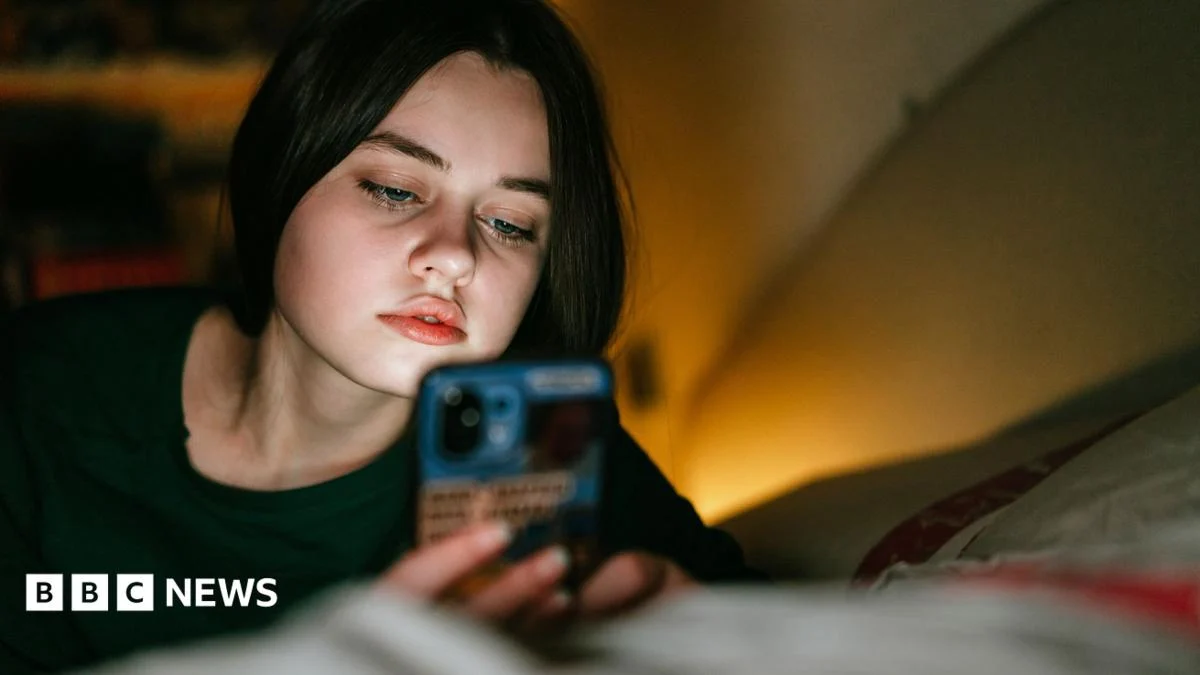
The UK government has unveiled a controversial proposal for an overnight social media curfew targeting teenagers aged 16 and 17, aiming to curb excessive screen time and improve their well-being. Under the proposed measures, popular platforms such as Instagram, TikTok, and YouTube would be automatically unavailable to this age group between midnight and 6:00 AM. However, a significant caveat exists: teenagers would retain the ability to override this curfew by simply adjusting their account settings.
Beyond the nocturnal restriction, the government also intends to mandate the disabling of "addictive" features on these platforms, including auto-play videos and infinite scrolling. The stated rationale behind these combined interventions is to foster improved focus in young people, enhance the quality of their sleep, and ultimately, to bolster their family lives. These proposals represent an escalation of the government’s efforts to regulate the online environment for children and adolescents, following an earlier announcement in June that prohibited under-16s from a range of social media platforms entirely.
The complexity and potential for confusion surrounding these new policies are growing, as they add to an already intricate web of measures implemented by both the government and tech companies. These existing measures include optional parental controls for children’s devices and the creation of child-specific versions of popular services like YouTube, all designed with the overarching goal of safeguarding young people online.
Professor Lorna Woods, a distinguished expert in internet law at Essex University, suggests that the newly proposed curfew is primarily a response to the anxieties voiced by parents and child safety advocacy groups. "There have been concerns about the way services keep children and young people engaged on their phones for long periods, and that this can impact their sleep, amongst other effects," she commented, highlighting the perceived link between prolonged device use and detrimental effects on adolescent health and development.
Online safety minister Kanishka Narayan staunchly defended the government’s actions, asserting on BBC One’s Breakfast programme that the combination of the proposed curfew and the restriction of auto-play features would establish the UK as a global leader in tech regulation. In a prior statement, Technology Secretary Liz Kendall emphasized the crucial role these measures would play in ensuring young people obtain the necessary sleep, concentrate on their academic pursuits, and dedicate more meaningful time to their families and friends, all of which are deemed fundamental to the development of a fulfilling adult life.
However, the proposal has not been met with universal approval. Laura Trott, the Conservative shadow education secretary, was sharply critical, labelling the plans a "dog’s dinner." She articulated her strong opposition, stating, "Either they think 16 and 17-year-olds should be on social media or they don’t, but curfews they can simply switch off won’t achieve anything." This sentiment underscores a broader concern that the opt-out mechanism undermines the very purpose of the proposed curfew.
Adding another layer to the government’s digital safety agenda, future measures are planned to address the safe use of AI chatbots by children. These are expected to include requirements for providers to implement regular breaks for users under 18. The government aims to present its new proposals to Parliament by the end of 2026, with the intention that they would come into effect concurrently with the social media ban for under-16s, scheduled for next spring.
Despite these stated intentions, several child safety charities and experts have expressed significant doubt regarding the efficacy and the true promise of a midnight curfew for older UK teenagers. Andy Burrows, chief executive of the Molly Rose Foundation, while acknowledging the welcome nature of measures for older teens, described the latest announcement as "another piecemeal set of announcements, not the comprehensive plan for children’s safety that’s required." He further lamented that the current administration, under Prime Minister Sir Keir Starmer, would leave office having announced a social media ban without a cohesive plan, leaving his likely successor, Andy Burnham, to grapple with a series of "missed opportunities."
Professor Sonia Livingstone, a leading expert on children’s digital rights at the London School of Economics, raised concerns that a curfew could inadvertently harm vulnerable children by restricting their access to social media precisely when they might need it most. "If it’s a curfew on companies using push notifications to wake someone up in the night, absolutely have a curfew," she stated, differentiating between restrictions on intrusive platform features and broader access limitations. "But if it’s a curfew that prevents a child in need of support or help or comfort reaching out to trusted sources in the middle of the night, I think that’s quite harmful potentially." This perspective highlights the nuanced role social media can play in providing support networks for adolescents.
Dame Rachel de Souza, the children’s commissioner for England, emphasized the importance of listening to young people’s voices. "They don’t want a ban, but they do want to be protected from addictive, infinite scrolling," she observed. She further expressed her desire for greater clarity on the implementation of such policies, stating, "I want to know more about how the policies, such as a curfew, will be delivered and will be watching closely to make sure they are effective – alongside pushing Ofcom to make full use of its powers to make the online world safer for children." Her comments suggest a need for robust enforcement mechanisms and a continued focus on the regulatory powers of Ofcom.
In a particularly candid assessment, social media analyst Matt Navarra dismissed the measure as "not a curfew" but rather "a mildly annoying settings prompt with a government press release attached." He critiqued the government’s framing of the initiative, remarking, "The UK Government is calling this ‘world-leading’ online safety, but with no VPN restrictions, it’s leaving the side door open and putting up a sign asking teens not to use it." This analogy vividly illustrates the perceived ineffectiveness of the proposed measures given the ease with which they can be circumvented. The government’s strategy, therefore, appears to be a multifaceted approach that, while aiming for broad protection, faces significant challenges in achieving meaningful impact, particularly when the ultimate control remains with the teenager themselves. The ongoing debate underscores the complex balancing act between protecting young people and respecting their autonomy in an increasingly digital world. The proposed measures, while well-intentioned, are likely to continue to be scrutinized for their practical effectiveness and their potential unintended consequences for vulnerable youth.



 George Anjay
 Nakalama John
 Ramos Leo
 Roy Suryo
 Nana Banana