
 George Anjay
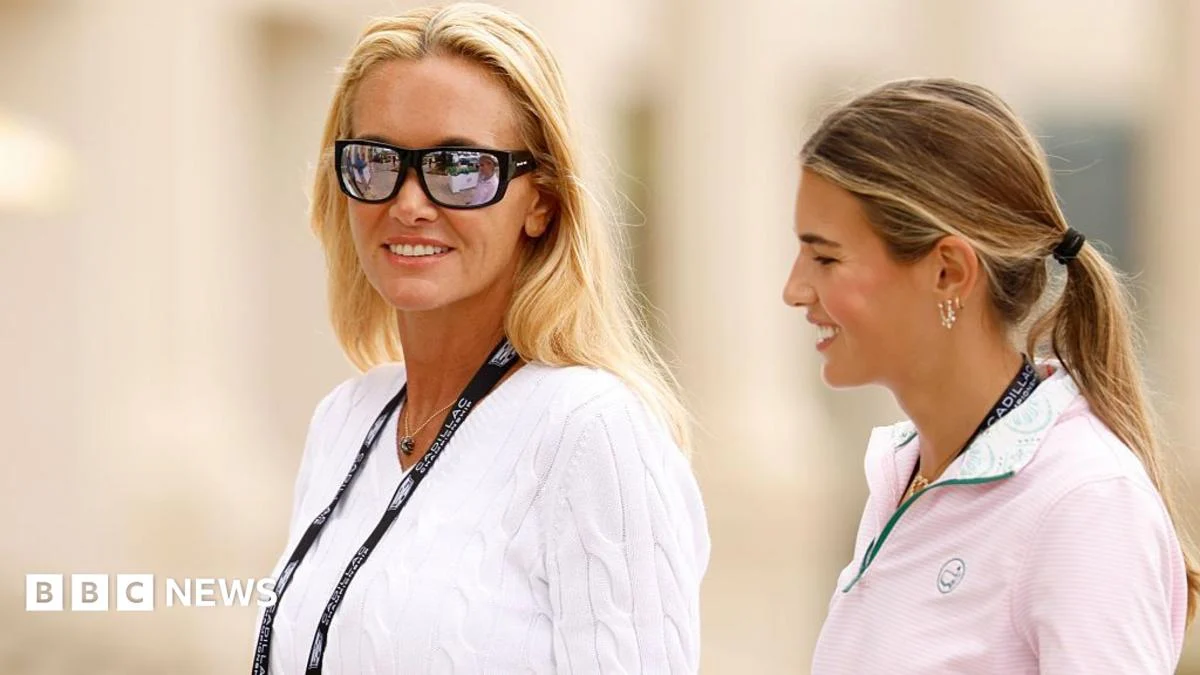
Six months after receiving a breast cancer diagnosis, Vanessa Trump, the former wife of Donald Trump Jr., has announced she is cancer-free, marking a significant milestone in her health journey. The 48-year-old, who shares five children with President Donald Trump’s eldest son, shared the deeply personal and joyous news in a brief video posted on her 19-year-old daughter Kai’s Instagram account. "My recent test results came back clear, so I’m finally cancer-free," Trump declared, her voice tinged with relief and gratitude. This announcement, made on Friday, was swiftly followed by a more in-depth video released on Saturday, a collaborative effort with Kai, aimed at raising crucial awareness about breast cancer, the importance of early detection, and proactive prevention strategies.
The Instagram post, shared by Kai, served as a powerful platform for her mother’s recovery announcement. "October is Breast Cancer Awareness Month, a time to raise awareness about early detection, education, and support for those affected by breast cancer," Kai wrote, underscoring the timely nature of their shared message. She further elaborated on the initiative, stating, "I sat down with my mom and Dr. Nicole Saphier to talk about my mom’s journey with breast cancer and learn more about prevention and early detection." This initiative resonated deeply with the online community, with Kai’s post garnering over 20,000 likes and a flood of supportive comments and well wishes from followers, including notable figures like American singer and media personality Mary Millben, who offered her encouragement.
In the more extended YouTube video, Vanessa Trump candidly detailed the unfolding of her diagnosis and her courageous battle. She revealed that she had been experiencing arm pain for several months before discovering a small, pea-sized lump in her breast. This discovery, a harbinger of the serious health challenge ahead, was subsequently confirmed by testing to be a cancerous tumor. The emotional toll of waiting for test results was palpable as she described the agonizing period. "It’s a process you have to deal with," she reflected, emphasizing the mental fortitude required during such uncertain times. "You have to be mentally strong for yourself because you’re going to need the strength to fight whatever challenge it is that’s coming towards you."
Vanessa Trump first received her breast cancer diagnosis in April, a moment that undoubtedly shifted the course of her life. She chose to publicly share her diagnosis in May, opting to inform her social media followers about her ongoing fight. In a heartfelt post at the time, she revealed that she had already undergone surgery and was actively collaborating with her medical team to develop a comprehensive treatment plan. Her treatment regimen ultimately involved a lumpectomy, a surgical procedure to remove the cancerous tumor, followed by radiation treatments, a common and effective approach to combating breast cancer.
The statistics surrounding breast cancer underscore the significance of Vanessa Trump’s recovery and the importance of her advocacy. According to the American Cancer Society, the average risk of a woman in the United States developing breast cancer is approximately 1 in 8, or about 13%. Furthermore, breast cancer accounts for a substantial portion of new cancer diagnoses in women annually, representing 30% of all new female cancers. These figures highlight the pervasive nature of the disease and the critical need for continued research, early detection efforts, and accessible treatment options.
The medical landscape for treating breast cancer has seen remarkable advancements in recent years, offering renewed hope for patients. While surgery remains the primary curative treatment for most breast cancers, adjuvant therapies play a crucial role in reducing the risk of recurrence and improving long-term outcomes. If residual disease is detected after surgery, a combination of chemotherapy, radiotherapy, and endocrine therapy can significantly lower the chances of the cancer returning. The evolution of medical science has led to the development of more targeted therapies specifically designed for early-stage breast cancer, offering more precise and less toxic treatment options. Additionally, new types of hormonal therapies are proving highly effective in managing hormone-receptor-positive breast cancers, while advancements in radiotherapy techniques allow for more precise targeting of cancerous cells, minimizing damage to surrounding healthy tissues and reducing side effects.
Vanessa Trump’s journey, from diagnosis to being declared cancer-free, serves as a powerful testament to the efficacy of modern medical treatments and the resilience of the human spirit. Her decision to share her experience, particularly in conjunction with Breast Cancer Awareness Month, amplifies the critical messages of early detection and prevention. By openly discussing her symptoms, her treatment, and the emotional challenges she faced, she empowers others to be more vigilant about their health, to seek medical advice promptly if they notice any concerning changes, and to understand the importance of regular screenings. The collaborative effort with her daughter, Kai, and Dr. Nicole Saphier, a respected oncologist, further strengthens the educational impact of their campaign, providing valuable insights into a complex disease and offering a beacon of hope for those currently navigating their own cancer journeys. The outpouring of support and well wishes from the public underscores the universal empathy and shared desire for good health that connects us all. Vanessa Trump’s recovery is not just a personal victory but a public inspiration, reinforcing the message that with timely diagnosis, advanced treatment, and unwavering strength, a cancer-free future is indeed attainable.

 Nakalama John
 atisusanti
 Ramos Leo
 Roy Suryo
 Nana Banana
