Ramos Leo
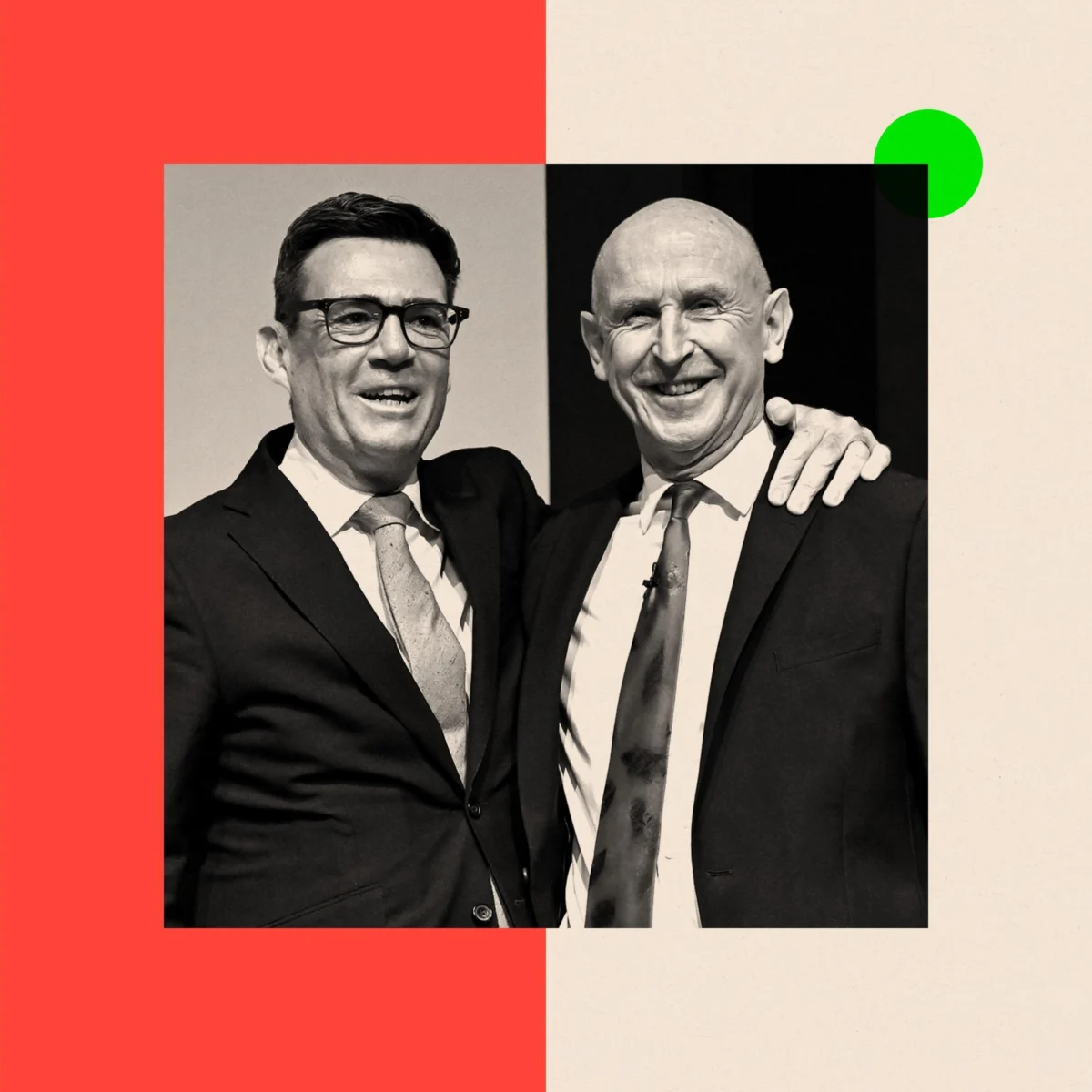
One such "big dream" making headlines is the intriguing prospect of a "Northern Games" in 2040 or beyond. The allocation of a modest seven million pounds for a feasibility study into this grand sporting event might seem a negligible sum within the colossal scale of the national Budget, yet its symbolic weight is immense. It encapsulates the very essence of "Brand Burnham"—a commitment to regional revival, a promise of national unity and pride reminiscent of the transformative London Olympics, and a clear signal of intent to "level up" opportunities across the country, particularly in the North. This vision, embraced by a prime minister with deep ties to Manchester and a chancellor proud of his Yorkshire roots, is designed to generate a powerful sense of national feel-good, projecting future jobs and development. However, it remains a distant promise, a possibility at least a decade away, leaving many to wonder about the more immediate challenges facing ordinary Britons.

This approach aligns with what some within the government have termed "the politics of trying." It’s a deliberate strategy to focus on smaller, relatable interventions that, while not revolutionary, aim to demonstrate empathy and practical action. Examples cited include proposed fines for excessively loud music on public transport, tackling "rip-off" parking charges, and the aforementioned modest investment in a future sporting spectacle. This philosophy subtly echoes the tactics of former Labour Prime Minister Harold Wilson, who in 1974 famously urged his cabinet to focus on "little things that mean a lot." Wilson’s list included ideas like nationalising small breweries, freezing phone installation charges for pensioners, and addressing empty office blocks—measures aimed at directly improving citizens’ daily lives and fostering a sense of a responsive government. For Burnham and Healey, this involves crafting policies that give direction and a sense of shared purpose, even if the grand structural reforms remain elusive in the short term.
However, this "politics of trying" phase is set to face its sternest examination with the imminent Budget. Senior officials are already describing it as "the first proper moment for the government," a crucial precursor to a potentially "very difficult spending review" later in the parliamentary term. An influential Labour MP articulated the sentiment: "The Budget has to be the beginning of the future story." Beyond the immediate headlines and long-term aspirations, the public and parliamentarians alike will be scrutinising what this government is actually going to do, and with whose money.

The prevailing mood in Westminster suggests a "steady as she goes" approach. Expectations are being carefully managed, with many predicting a Budget designed to "do no harm" rather than unleash radical reforms. A prominent high street business leader candidly implored Chancellor Healey: "Just do no harm… The hole is too big that they are trying to fill, so my view is don’t try and do anything big to help because you don’t have the money, but don’t do anything to harm us either." This cautious stance is rooted in undeniable fiscal realities. Labour’s manifesto pledges constrain the Chancellor, ruling out alterations to major taxes like income tax, VAT, and National Insurance. Simultaneously, public spending, borrowing, and the national debt remain at historic highs. The resurgence of global price pressures, exacerbated by ongoing conflicts in the Middle East, further limits fiscal headroom. Indeed, significant cuts to public spending are already pencilled in for the latter years of this parliament, presenting a formidable challenge.
Despite the prevailing narrative of caution, Treasury sources are quick to counter suggestions that this will be a "blink-and-you’ll-miss-it" Budget. By its very nature, a Budget dictates billions in tax and spending decisions. Anticipated measures include potential extra taxes on banks, pledges to streamline business regulation (particularly for small enterprises), further devolution of powers to local leaders, and interventions to address rising energy bills. Chancellor Healey has publicly and privately signalled his intent to foster a climate where entrepreneurial spirit can thrive, stating, "If you are taking on John’s mantra about talking up Britain then you can’t say, ‘Nothing to see here’."

Yet, the Budget is unlikely to present comprehensive solutions to the nation’s most entrenched problems: sluggish economic growth, critical gaps in defence funding, the chronic challenges of welfare and social care, or a rapid reduction of the groaning national debt. As one former minister observed, even if Healey and Burnham had stumbled upon all the answers in their first few months, the sheer economic constraints make it impossible to fix everything simultaneously. Ministers, they warned, "are going to be exposed to the cold light of day" as they prioritise.
Internally, the Labour Party currently enjoys an "unusually happy" equilibrium. MPs speak of a more visible and approachable leadership, with ministers actively engaging with backbenchers in Parliament, a stark contrast to previous administrations where access was often formal and difficult. This "soft touch" approach, fostering a sense of collective purpose and support, is paying dividends in party morale. However, this unity is fragile. A source involved in Budget preparations described the government as a "seesaw," with John Healey and James Purnell (Burnham’s chief of staff) on the right, Lou Haigh on the left, and Andy Burnham meticulously balancing in the middle. Burnham, they noted, "is not as on the left as many of his supporters want to believe," highlighting the delicate ideological tightrope he walks.

This balance faces imminent strain as crucial decisions on immigration and welfare reform loom beyond the Budget. The Labour left will be keenly scrutinising the statement for meaningful support for those struggling financially, while those on the right will demand measures demonstrating fiscal prudence and support for business growth. Even minor deviations could destabilise the seesaw. Some former ministers express doubts about the Budget delivering anything significant enough to upset this delicate balance, not out of an abundance of caution, but a perceived lack of a clear "philosophical direction" from the Chancellor.
The risk of a "mañana budget"—one that defers difficult decisions until later—is a significant concern. Andy Haldane, former chief economist at the Bank of England and an ally of Burnham, publicly voiced fears that the government might deliver a budget that "doesn’t speak to the urgency of now." Opposition parties are poised to seize on this, accusing Healey and Burnham of postponing crucial long-term pressures. "This Budget can only be postponing," one prominent opposition politician remarked, suggesting it either cynically anticipates an early election or "is storing up a car crash for next year" with the Spending Review.

Downing Street sources counter such criticisms by pointing to Burnham’s early, bolder decisions, such as unpicking the expensive "triple lock" to help fund future social care, or his more assertive stance on re-entering the EU or forging much closer ties. They also emphasize that the "small things that could make a big difference" have resonated with voters, as reflected in positive poll numbers. Even Burnham’s quiet supporters concede that his initial mandate was clear: to demonstrate action, bolster party morale, and secure a positive shift in public opinion—objectives largely achieved. His long-term vision for the UK, encompassing devolution, a national care service, and greater public involvement in the economy, is well established.
But the crucial "middle bit"—the practical, immediate steps to bridge the gap between quick wins and big dreams—remains largely undefined. As one official put it, "Unless the prime minister has said something quite specific about something, everyone is scrambling around trying to work out what he wants to do." Another well-connected source highlighted the core challenge: "The challenge has always been with this project, how do people feel in the medium term – it’s huge."

Burnham and his Chancellor’s initial period in office has, by many metrics, been broadly successful, reflected in favourable polling and a buoyant Labour Party mood. Their aspirations for future glories, long-term plans, and even Olympic gold on British soil point to a distant horizon. However, neither these quick political gains nor these grand visions fully address the immediate, pressing issues that demand confrontation in the here and now. As Chancellor Healey finalised his plans late last night, after a fish pie in his Downing Street flat, he was acutely aware that his first Budget marks the beginning of these "between times"—a period of immense scrutiny where the delicate balance between ambition and austerity will be tested like never before.


 George Anjay

 Nakalama John
 atisusanti