
 Nakalama John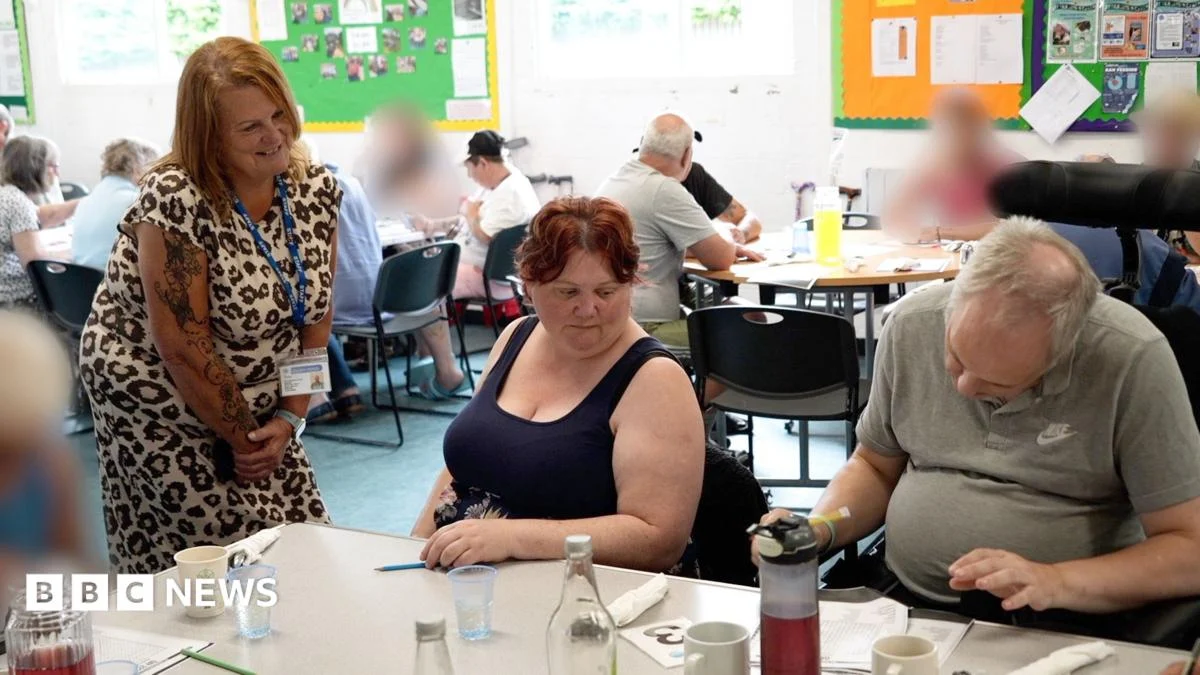
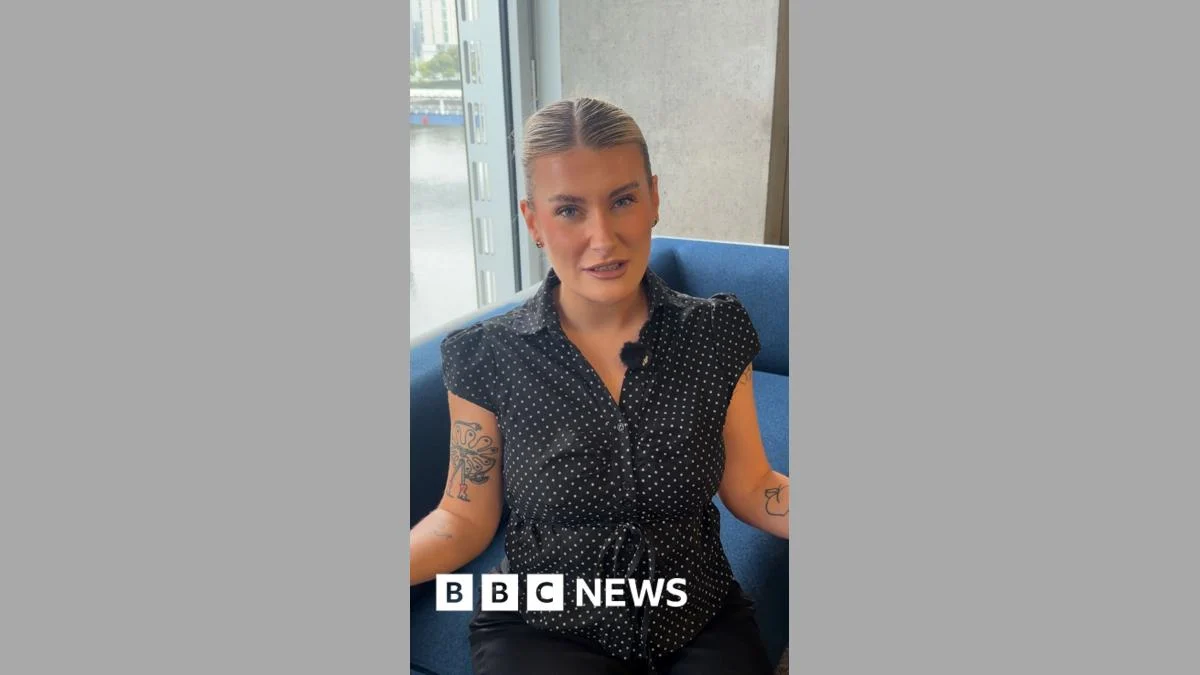
For Shannon, the burden of debt began subtly, almost innocuously, a decade ago. It was a seemingly essential purchase – a pair of sturdy, expensive boots required for her role as a security guard. What started as a small loan to meet a job requirement quickly spiralled, setting in motion a financial struggle that now dictates her every waking moment and casts a long shadow over her life.
The day-to-day impact is profound and deeply isolating. "I don’t want to do anything, I don’t want to eat, I’d rather not leave the house because I won’t spend money and I won’t get in more debt," Shannon explains, her voice heavy with the weight of her predicament. This self-imposed confinement is a stark reality for many caught in the grip of financial insecurity. The world outside, with its myriad temptations and necessities, becomes a minefield of potential expenses, leading to a crippling sense of fear and withdrawal. "So, it’s isolating. I don’t know, there’s not a word for it… it’s crippling." The word itself struggles to convey the deep emotional and psychological toll, the constant anxiety that gnaws at her peace of mind.
Shannon is not one to seek blame, but she readily acknowledges a fundamental gap in her upbringing and education. She believes she lacked crucial life skills around money management and budgeting, knowledge that she feels should have been imparted both at school and within the family unit. "But because I have to find out things for myself, it kind of went wrong," she reflects, highlighting the precarious journey of learning financial literacy through costly mistakes. This lack of foundational understanding left her vulnerable when unforeseen challenges inevitably arose.
Indeed, life’s unpredictable nature has repeatedly thwarted her attempts to get into the black. "There’s always something that pops up," she sighs, particularly around the extra needs of her young son, which she willingly, and without hesitation, prioritises above all else. These unexpected costs, whether for specialist care, equipment, or simply the daily essentials that accompany a child’s unique requirements, act as constant financial setbacks, preventing her from ever truly breaking free.
Despite the relentless pressure, Shannon clings to a powerful vision of a debt-free future. "I do hope one day that I can wake up and be like, ‘Oh, I’m not in debt today. Let’s go to the beach and have a good day and not think about anything,’" she dreams aloud. It’s a simple, poignant aspiration – a day unburdened by financial worry, a moment of pure, unadulterated freedom. Yet, for now, that dream remains a distant shore. "But life goes on. I’m a very happy person – I just get on with it." Her resilience shines through, a testament to the human spirit’s capacity to endure and find strength amidst adversity. She navigates her complex reality with a determined cheerfulness, refusing to let her circumstances define her entire outlook.
Fortunately, help is at hand for individuals like Shannon. Every week, the St Mary Magdalene Church in neighbouring Gorleston-on-Sea transforms into a beacon of hope and support. Here, debt adviser Teresa Tennant, working for the charity Dial, joins a dedicated team of volunteers offering not only crucial financial guidance but also free community lunches, fostering a sense of warmth and solidarity. Dial is a lifeline, providing assistance with money management, benefits claims, and debt resolution, tackling the multifaceted challenges that push people into financial distress.
Teresa’s observations paint a stark picture of widespread hardship. "Every single person I talk to is struggling to make ends meet with food parcels, with clothing the children for school, from people 20 upwards, to pensioners," she reveals. The spectrum of need is vast, cutting across all demographics and generations. Debt, she explains, is often a creeping menace. "Sometimes, it builds up and builds up and they don’t know where to go and they don’t know how to cope." The psychological weight can be immense, leading to feelings of shame, despair, and paralysis.
Often, the first step towards recovery is the simplest yet most profound: a human connection. "It can be just having a chat with somebody to say, ‘OK we can sort this,’ and that’s all they need to be able to move forwards." This validation, this assurance that a solution is possible, can be the catalyst for change. While Teresa acknowledges a long list of people desperately waiting for her help, she offers a reassuring message: "We can support anybody and any problem can be worked [through] by myself or one of my colleagues." The commitment to helping every individual is unwavering, regardless of the complexity of their situation.
Among those now giving back at the church is Cathy Grey, 46, a testament to the transformative power of seeking help. Cathy initially came to the food bank when her own debt became "too much," overwhelming her ability to cope. Her struggle began when she had to make the heart-wrenching decision to stop working to become the primary caregiver for her husband, who lives with multiple sclerosis (MS). This sudden loss of income, coupled with the escalating costs of care, plunged her into a brutal financial dilemma.
"It was very difficult to know where to go once you got yourself in that rut," Cathy recounts, describing the bewildering and terrifying choices she faced daily. "It was a bit like, ‘What do I pay, what don’t I pay, do I not feed my kids, do I not pay the essential bills?’" These are the impossible questions that millions of families grapple with, sacrificing their own well-being and that of their children to simply stay afloat. Cathy’s desire to contribute financially remains strong: "I would happily go out to work tomorrow but, unfortunately, I can’t leave my husband, he’s so ill." Her devotion to her husband, while unwavering, comes at a significant personal and financial cost.
Through the support she received, Cathy eventually settled her debts, a monumental achievement that brought with it an profound sense of relief. She now feels "much calmer," the constant thrum of anxiety having finally receded. Her message to others facing similar struggles is clear and empowering: "Don’t be frightened to hold your hand up and say, ‘Give me some help.’ Someone’s going to point you in the right direction." Her journey underscores the courage it takes to admit vulnerability and the invaluable support available once that step is taken.
Another parent battling relentless financial pressure is Nic Lambert, whose household budget is stretched to its absolute limit by school trips, food, clothes, and "everything else in between." A particularly significant and recurring expense is the train fares required for her young daughter to access specialist cardiac care in London. This vital medical travel is a substantial drain on her limited resources, a cost that should, in theory, be covered by Disability Living Allowance (DLA), which she explains she is still waiting to receive.
Nic’s income, a combination of Universal Credit and her wages, simply doesn’t stretch far enough. She expresses deep frustration that her children often miss out on experiences and opportunities that other children take for granted, a situation she rightly deems "isn’t fair on them." The emotional toll of this constant struggle is immense. "It’s absolutely devastating that I have to prioritise certain things and not give them the world that they deserve," she laments, articulating the profound guilt and heartache felt by countless parents in similar positions.
For Nic, the problem extends beyond individual circumstances; it is systemic. "Fundamental change is needed within the [benefits] system and until that happens, it’s just going to be a repeated cycle year after year, month after month." She argues that if the government were to "come up with a better plan to protect children in particular and keep children out of poverty, then not so many people would be in debt." Her critique is a powerful call for policy reform that prioritises the most vulnerable. In the meantime, she continues to navigate her daily existence with a grim determination: "I live day by day and hope for the best, because it’s the only way you can be when you’re relying on Universal Credit."
Anna Price, the community lead at St Mary Magdalene, understands the complex interplay of factors that lead to such widespread hardship. She emphasises that the church’s work to build community resilience and break down isolation is "hugely important." Many people, she explains, find themselves in crisis "partly because they’re on their own and they’ve got no-one around them to help them make sense of things and help them move forward in life." This absence of a support network exacerbates financial and personal difficulties, making problems seem insurmountable.
Anna also highlights a concerning trend of "generational dependence on benefits," noting that for some, this has resulted in a lack of "skills or the upbringing to know how to hold down a job." St Mary Magdalene is situated within an estate characterised by high levels of unemployment and a significant proportion of "economically inactive" people – those neither in work nor actively seeking it. Compounding these issues are prevalent mental health conditions, neurodivergent conditions, physical ill health, and disabilities.
"You realise when you hear their stories and what their lives are like, that the idea of employment is very, very, very challenging," Price observes. The barriers to entering or sustaining employment are often far more complex than a simple lack of desire. "It is really heartbreaking, because it’s a cycle that you feel like we’re trapped in and can’t easily see a way out of that." The despair of being caught in such a loop is palpable.
Yet, amidst this challenging landscape, there is hope. Introducing a person in crisis to Teresa Tennant is, according to Anna, "like picking somebody off the floor." The transformation in individuals when they realise there is a path forward is profound. "I’ve always found it very emotional; that they see there is a possibility to get out of debt and get on the right benefits. It’s incredible." This sense of possibility, of regaining control, is a powerful antidote to the crushing weight of debt and isolation.
A spokesperson for the Department for Work and Pensions (DWP) affirmed the government’s commitment to addressing these issues, stating that its Connect to Work programme is expected to support 4,000 people in Norfolk by 2029. "We’re committed to moving from a welfare state to a working state, giving people in Norfolk and beyond the support they need to move out of poverty and into work," they added. The DWP also confirmed its policy of working collaboratively with individuals who have outstanding debts to find "an affordable way to repay," which includes signposting to free debt advice and support services.
While government initiatives offer a broader framework, the deeply personal and often devastating impact of debt remains a daily reality for thousands like Shannon, Cathy, and Nic. Their stories underscore the vital role of local charities and community hubs, which provide not just financial advice, but also the human connection and empathetic support that can truly lift individuals out of the deepest despair.


 atisusanti
 Ramos Leo
 Roy Suryo
 Nana Banana
 George Anjay