
 Nakalama John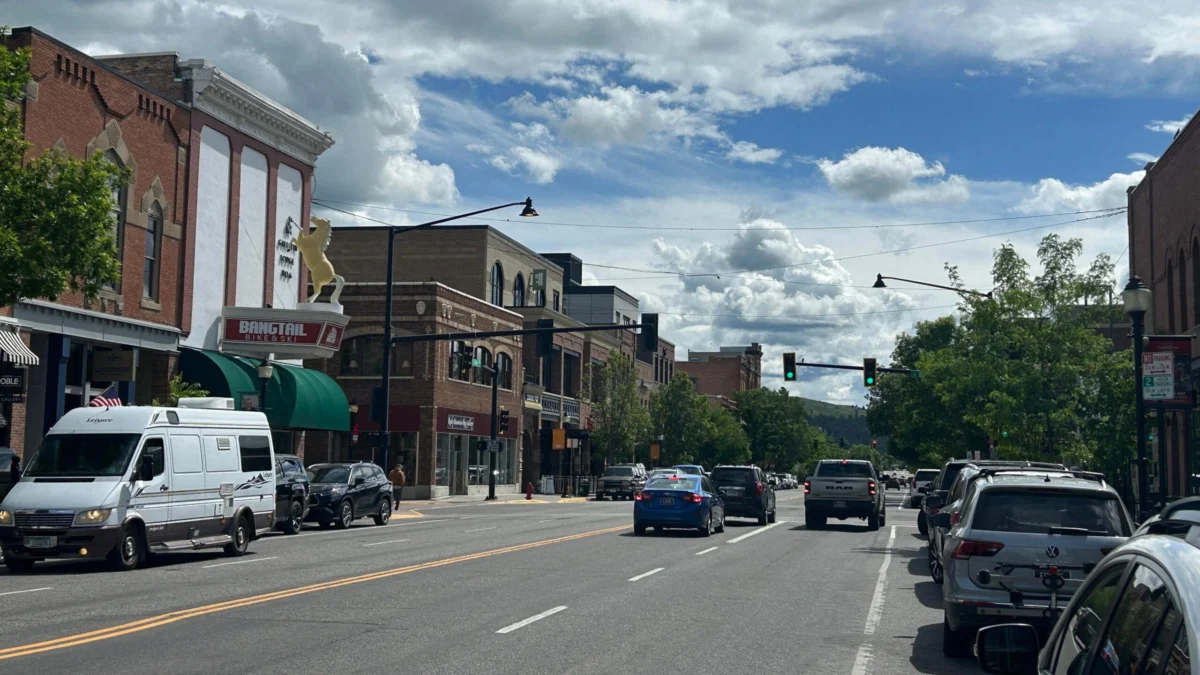
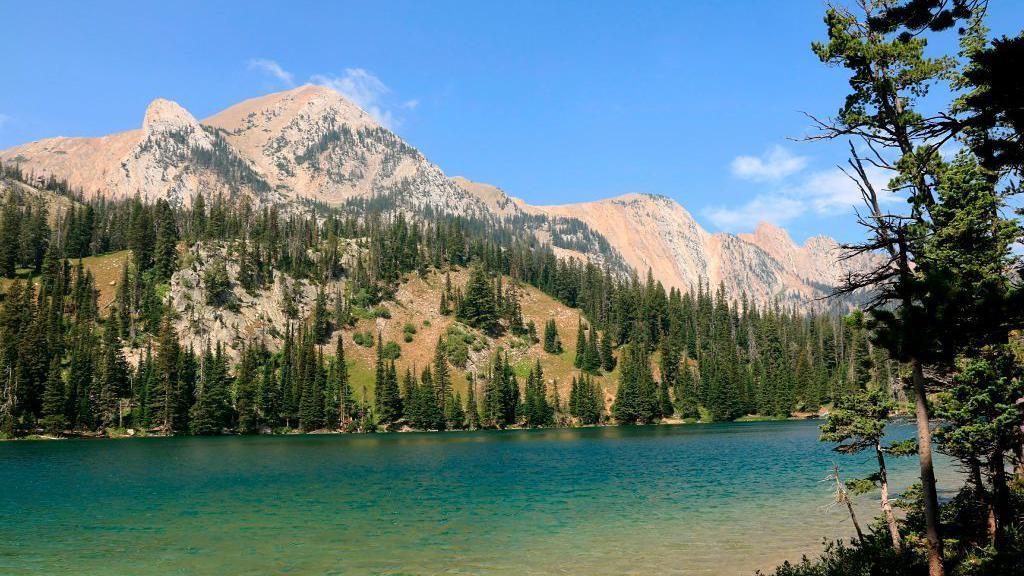
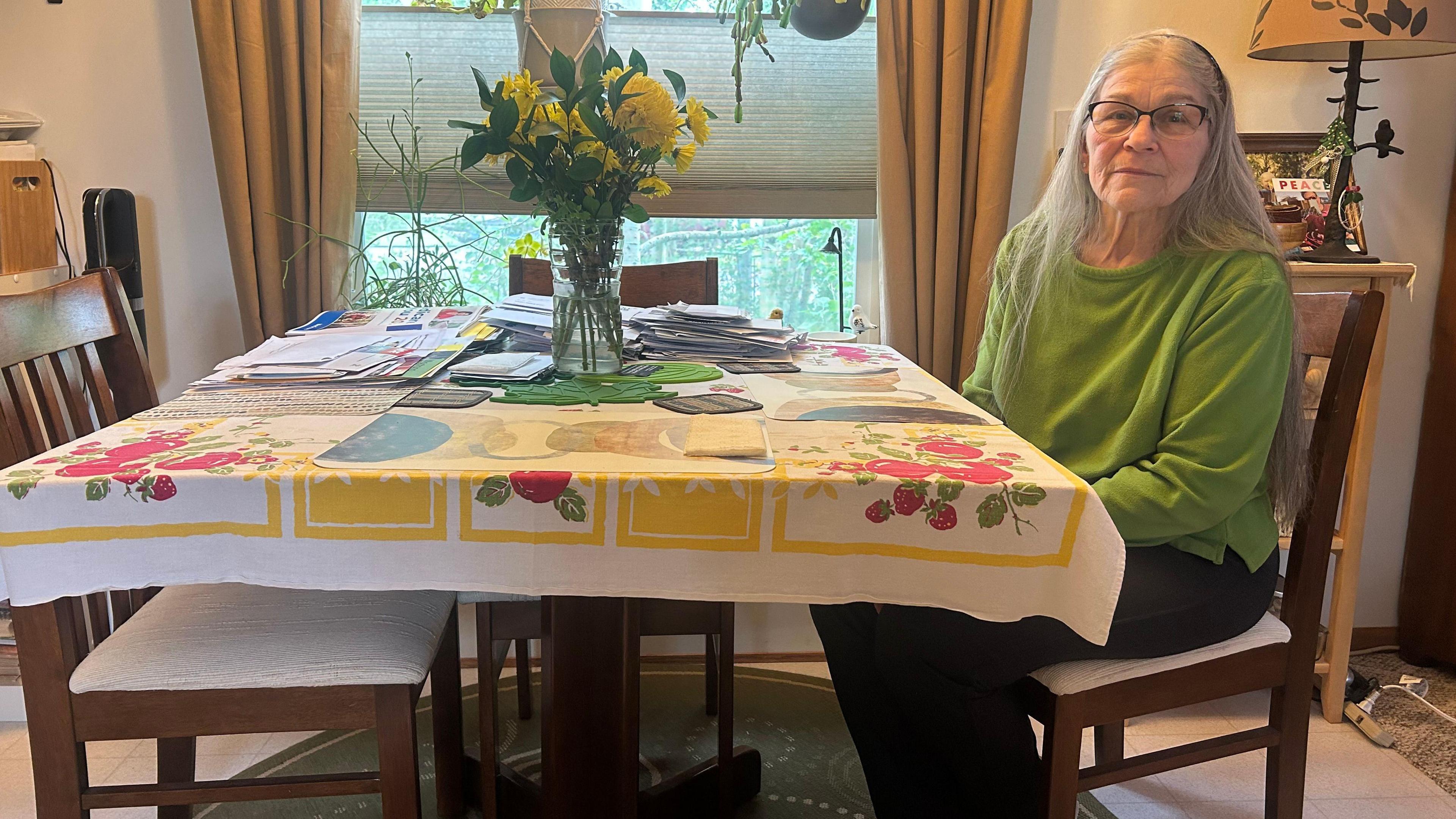
Grandmother Sara Folger sits in the kitchen of her single-wide trailer, the majestic Rocky Mountains looming in the distance, and her gaze drifts back decades to a Bozeman, Montana she barely recognizes. It was a place where the air hummed with a different rhythm, far from the incessant thrum of construction and the ceaseless flow of out-of-state license plates. Back then, Folger remembers, this rural western outpost was a vibrant mosaic of "back-to-the-land hippies, earnest college students, stoic cowboys, and thrill-seeking ski bums." It was a community bound by shared values of self-reliance and a love for the raw, untamed beauty of Montana, where the cost of living was reasonable, and the streets were genuinely sleepy.
Today, that Bozeman is a ghost of its former self. The once-quiet thoroughfares are now a constant churn of diggers, orange construction cones, and luxury vehicles sporting license plates from California, New York, and Texas. Since the onset of the pandemic, Bozeman’s population has surged by an astounding 20% – a seismic shift for a city that counted fewer than 50,000 residents in 2019. This unprecedented influx was not accidental but fueled by a confluence of unique drivers. For years prior, Montana had quietly attracted conservatives from across the nation, drawn by the state’s deeply ingrained ethos of rugged individualism, self-reliance, and a significant economic draw: its lack of sales, luxury, and inheritance taxes. These tax advantages made it an appealing haven for those seeking to minimize their financial obligations in more liberal states.
However, the trickle turned into a torrent as the COVID-19 pandemic swept the globe. Droves of affluent individuals, empowered by remote work and a desire for more space and perceived freedom, began "fleeing the Covid mess… on the East Coast and West Coast," as Mark Corner, president of Southwest Montana Realtors, vividly describes. This sudden, concentrated demand sent housing prices skyrocketing, pushing them far beyond the reach of long-time locals. The result is a deepening chasm between the newcomers, often arriving with significant wealth, and the established community, many of whom are now being priced out of their hometown. This socioeconomic culture clash between the "haves" and "have-nots" has reached a boiling point, epitomized by a recent rent strike initiated by residents of two mobile home parks – a poignant symbol of a growing grassroots effort to fight for the survival of Bozeman’s working class.
Bozeman’s Mayor Joey Morrison, elected at the age of 28 on a platform centered squarely on affordable housing, articulates the stark divide with an insider’s clarity. "We were watching our rent double or triple in the span of a year or two," he recounts, reflecting the collective shock of the community. "Suddenly, every coffee shop is full of people coding on their computer or working for an organization that has never stepped foot in the state of Montana." This digital nomad invasion, combined with the physical presence of new luxury developments, has irrevocably altered the city’s character.
A significant, perhaps even romanticized, factor fueling this outsider interest, according to many residents and experts, is the "Yellowstone Effect." Transplants, enchanted by the fictitious runaway hit drama Yellowstone, starring Kevin Costner as the patriarch of the Dutton family, began to see Montana not just as a place, but as an idealized lifestyle. The show, with its dramatic scenery, sweeping montages of ranch life, and compelling narrative of power struggles between John Dutton III, his children, local indigenous communities, and ruthless outsiders seeking to exploit the land, painted a vivid picture of a rugged, authentic American West.
"Everyone in Montana believes the Yellowstone television show, with its dramatic scenery and montages of Montana life and how beautiful it is here… had an impact on the housing market," explains Jeff Michael, director of the Bureau of Business and Economic Research at the University of Montana. The show’s romantic portrayal of ranching life and vast open spaces resonated deeply with those seeking an escape from urban congestion and a return to perceived traditional values. Realtors and homeowners alike watched in astonishment as "our home values jumped 40% in two years," according to Corner, and the upward trajectory shows no sign of abating.
The transformation of downtown Bozeman stands as a stark testament to this shift. The beloved small businesses that once anchored Main Street, offering everything from hardware to local crafts, have been systematically replaced by bespoke steakhouses serving Wagyu beef, high-end retail chains peddling designer outdoor gear, and boutiques specializing in custom cowboy hats – not for working ranchers, but for tourists seeking an authentic, yet curated, Western experience.
The local airport, currently undergoing extensive renovations to accommodate increased traffic, is a constant hub for private jets. These sleek aircraft ferry the ultra-rich to their exclusive enclaves, most notably the ultra-private Yellowstone Club in Big Sky, about an hour south of Bozeman. Here, celebrities like Justin Timberlake and Tom Brady own multi-million-dollar estates, enjoying unparalleled luxury and privacy amidst the stunning mountain landscape. "Any given day out at our airport, there will be 80 to 100 private jets on the tarmac, primarily Yellowstone Club guests," Corner notes, highlighting the sheer scale of wealth now flowing into the region.
During the peak of the pandemic, local buyers found themselves systematically outbid by all-cash offers from out-of-state purchasers, many of whom bought homes sight-unseen. So prevalent was this practice that the state realtor association was compelled to add a new disclosure form to its contract library specifically for these remote transactions. While Montanans struggled to get a foothold on the property ladder, others found it equally impossible to even secure affordable rental housing. "Every developer in America heard about the exorbitant rental rates in Bozeman and how attractive it was to develop here," Corner states. Apartment blocks and townhomes began to materialize at a dizzying pace, with monthly rents for a modest one-bedroom apartment often exceeding $2,000 – an astronomical sum for most locals, particularly those on single incomes or working service jobs.
It was against this backdrop of palpable frustration and economic displacement that Mayor Morrison swept to victory in November 2023. Now 30, the mayor himself lives with his fiancée and two roommates, a stark reminder of the housing crisis he campaigned to address. A decade ago, he rented a room in a duplex for $333; that same room now commands $900 a month. Morrison, who grew up in eastern Montana with a nurse mother and an incarcerated father, was a founding member of Bozeman Tenants United, the union chapter that has since provided crucial support to the mobile home parks’ rent strike. His mayoral election, he asserts, was a clear referendum on housing policy and a rejection of what many perceived as local government’s abandonment of the average Montanan. "It really was this huge groundswell… that was clearly saying: We want one of us to represent us in City Hall," he reflects, capturing the community’s desire for authentic representation. He observes "a lot of hopelessness out there for the ability to stay in this state, stay in this city in particular," a sentiment echoed by countless residents.
Many long-time homeowners, seeing their property values soar, have opted to cash out and leave the state, seeking more affordable pastures elsewhere. Renters who remain are forced to work two to three jobs just to make ends meet, or cram into shared accommodations with multiple roommates. Others commute long distances, navigating treacherous mountain roads, just to afford a place to live. The financial strain is so severe that some couples are even postponing having children, fearing they cannot afford to raise a family in this new, unaffordable Bozeman.
Even Sara Folger’s mobile home park, where she has lived in her three-bedroom, two-bathroom home for 17 years, has not been immune to the economic upheaval. Her lot rent has nearly doubled since she moved in, even accounting for inflation, putting immense pressure on her fixed income. "There are so many people here [for whom] this is their last stop," says Folger, 73, a former Bozeman city grants administrator who now works part-time at Whole Foods (a new arrival itself, opening its first Montana location in 2023). "They have no place to go. They don’t have the money to pay the rent. There’s no housing for them that they can afford. There’s nothing. Where are they going to go?" she asks, her voice laced with desperation.
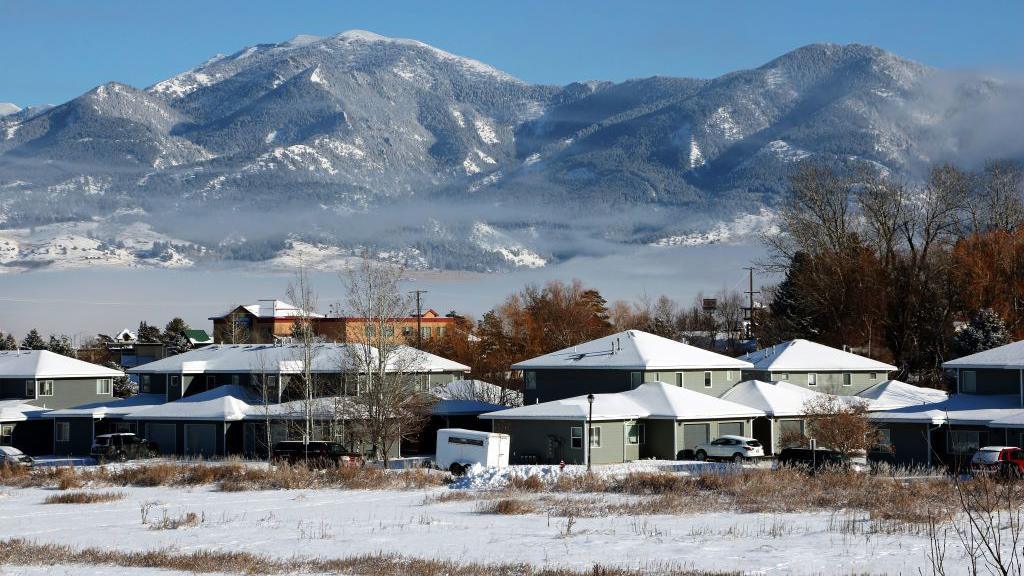
In response to an almost $100 hike in monthly plot rent – the fee mobile home owners pay to rent the land their homes sit on – Folger and other residents of two mobile home parks courageously unionized in May to stage Montana’s first rent strike in 50 years. This historic action was spearheaded by a fledgling, youth-filled local tenant union. The park was subsequently sold, and is now managed by a company based in California, a detail that further underscores the feeling of external corporate influence. This leaves the fate of residents, and their often-immobile homes, in precarious doubt. "You can’t move a mobile home that’s been sitting for 25 years. It will disintegrate," explains Mountain Meadows resident Ben Moore, 35, who first moved to the park with his father in high school. "The only equity I have is in this trailer. It’s the same for a lot of people… even if we could move the trailer, where are you supposed to move it to?" While some residents have reluctantly agreed to new terms with the out-of-state management, many others vow that the fight for their homes and community is far from over.
The burgeoning grassroots movement in Bozeman is not limited to tenant unions. The election of Mayor Morrison is part of a larger wave of youthful, progressive leadership emerging in the city. Bozeman local Katie Fire Thunder, 25, was appointed in December to the Montana House of Representatives, representing a new voice in state politics. Additionally, Sam Forstag, a 31-year-old union leader and former smokejumper – a person who parachutes into remote areas to fight forest fires – recently secured the Democratic nomination for Montana’s 1st congressional district, defeating a more establishment candidate.
"Young people have seen, right in front of our very eyes, the way that our leaders currently are not making decisions that are protecting us," Fire Thunder asserts, articulating the frustration of her generation. "They are making reactionary, short-term decisions that are benefiting… the wealthiest in this state, while we are all watching and are like: This is not how Montana works or Montana runs." Their activism represents a determined effort to reclaim the spirit of Montana for its long-time residents, to ensure that the state’s rugged individualism extends to the working class, not just the wealthy.
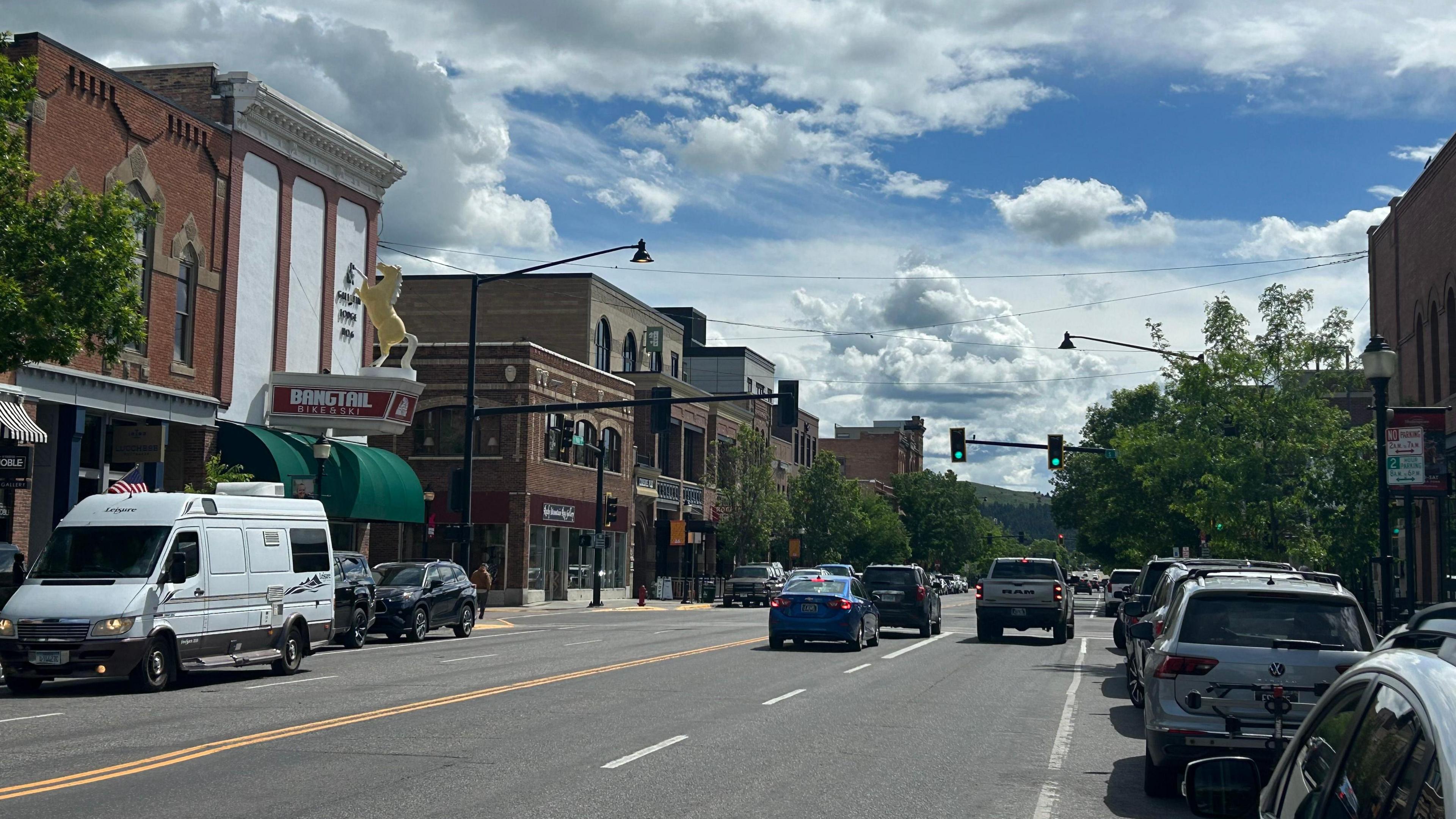
The irony of Bozeman’s transformation is perhaps best captured in a vivid snapshot. The coffee shop where Katie Fire Thunder sits, near Montana State University’s bustling campus, is less than 1.5 miles from JW Heist, a swanky Main Street eatery downtown. The previous night, diners at the ornate wooden bar of JW Heist included a medical sales representative, an out-of-state property investor, and a Colorado father in town for his son’s MSU orientation. Perusing the whiskey list, with some of the most expensive pours costing an eye-watering $170, the Colorado man remarked, somewhat bewildered, that he’d "seen these elsewhere for a quarter of the price." The blonde sales rep seated next to him, a new Bozeman resident herself, offered a wry, knowing smile and a simple, definitive answer: "That’s Bozeman." It’s a Bozeman where the majestic landscape remains, but the soul of the city has been irrevocably altered, caught between the rugged ideals of its past and the relentless pressures of its gilded present.


 atisusanti
 Ramos Leo
 Roy Suryo
 Nana Banana
 George Anjay