
 Nakalama John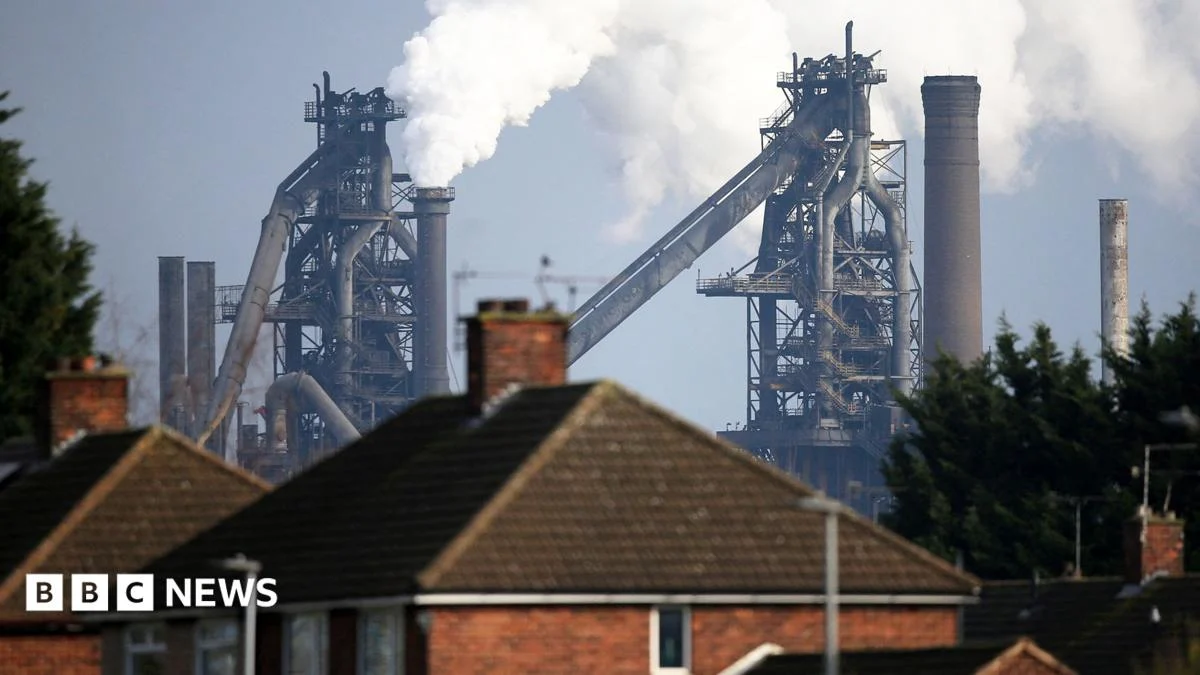
The decision for government intervention, such as the one seen with SSUK, typically arises from a confluence of severe financial distress, the threat of widespread job losses, and the strategic importance of maintaining domestic industrial capabilities. The broader UK steel landscape has been grappling with immense pressures for years. Tata Steel’s operations at Port Talbot in Wales, once the UK’s largest virgin steel producer, exemplify these challenges. The company faced staggering losses, reporting a daily deficit of £1.7 million, which ultimately led to the pivotal decision to turn off its blast furnaces in September 2024. This move marks a significant shift away from traditional integrated steelmaking processes that rely on coal and iron ore, towards greener, more sustainable methods.
To facilitate this transition and safeguard a portion of the industry’s future, an agreement was reached between Tata Steel and the UK government. This pact saw the government commit £500 million in financial support, specifically earmarked to aid the company in its crucial shift towards greener forms of steelmaking, primarily involving the adoption of Electric Arc Furnaces (EAFs). While promising for environmental targets, this technological transition often comes with significant capital expenditure, operational adjustments, and challenging impacts on the workforce, particularly concerning the number of jobs required for the new processes.
The case of Liberty Steel’s Speciality Steels UK (SSUK) division provides a direct answer to the implicit question of government intervention. Liberty Steel, another significant player in the UK, also operates a plant in Scunthorpe that has faced the spectre of closure. In a decisive move in August last year, the government took control of its SSUK division. This intervention was not a permanent nationalisation in the traditional sense, but rather a temporary stewardship. The government agreed to cover the ongoing wages and operational costs of the plant while actively seeking a suitable buyer. The rationale behind such an extraordinary measure is multifaceted: it aims to preserve skilled jobs, prevent the collapse of critical supply chains, and maintain the UK’s capacity in producing high-value, specialised steel products essential for various advanced manufacturing sectors. Without such intervention, the immediate closure of these operations would have had devastating consequences for thousands of employees and the local economies dependent on them.
The economic footprint of the UK steel industry, despite its struggles, remains substantial. In 2024, the sector contributed an estimated £1.7 billion to the UK economy. While this figure represents 0.1% of the total UK economic output, its significance is amplified when considering its share within the manufacturing sector, where it accounts for 0.8% of output. This contribution, though seemingly modest in headline figures, belies the industry’s foundational role. Steel is an indispensable input for numerous downstream industries, meaning its domestic availability and cost competitiveness have a ripple effect across the entire manufacturing base.
Globally, the UK’s position in steel production highlights the intense competitive landscape. The latest figures for 2023 show the UK produced 5.6 million tonnes of crude steel, which represents a mere 0.3% of the world’s total output. This pales in comparison to giants like China, which produced over 1,000 million tonnes in the same period, accounting for a dominant 54% of global production. The sheer scale of Chinese output creates a challenging environment for Western producers, often struggling with higher energy costs, stricter environmental regulations, and legacy infrastructure.
Within Europe, the UK holds a respectable, albeit not leading, position. The European Union collectively produced 126 million tonnes of steel in 2023, approximately 7% of the world’s total. Compared with its EU counterparts, the UK ranked as the eighth largest steel producer, trailing behind major industrial nations such as Germany, Italy, Spain, France, Austria, Poland, and Belgium. This ranking underscores the need for strategic focus on niche, high-value products where UK steelmakers can compete effectively.
The broader UK steel industry comprises a diverse range of companies beyond Tata and Liberty. Other notable steelmakers include Celsa, known for its long products and reinforcement bars; Marcegaglia, which focuses on flat products and tubes; and Outokumpu, a major producer of stainless steel. Each of these companies contributes to the multifaceted nature of the UK’s steel production capabilities, catering to different market segments and specialities. The challenges they face are similar: volatile energy prices, the imperative to decarbonise, global overcapacity, and the need for significant capital investment to modernise facilities and processes.
The push for greener steelmaking is arguably the most transformative force currently impacting the industry. With stringent climate targets and rising carbon costs, traditional blast furnace operations are becoming increasingly unsustainable both environmentally and economically. The transition to Electric Arc Furnaces (EAFs), which primarily use recycled scrap steel and can be powered by renewable electricity or even hydrogen, represents a path forward. However, this transition requires substantial upfront investment, presents challenges related to scrap availability and quality, and necessitates careful planning to manage the associated workforce adjustments.
Government intervention in cases like SSUK, and financial support for transitions at plants like Port Talbot, reflects a strategic recognition of steel’s continued importance. Beyond its economic contribution, steel is a foundational material for national security, critical infrastructure development, and technological advancement. Maintaining a domestic steelmaking capacity ensures resilience in supply chains, supports sovereign industrial capabilities, and provides high-skilled employment in regions often reliant on heavy industry. While a full-scale nationalisation of "British Steel" (the company, now owned by China’s Jingye Group) has not occurred, the government’s actions in controlling distressed assets and investing in green transitions highlight a proactive approach to prevent total collapse and guide the sector towards a more sustainable and competitive future amidst profound global shifts. The ongoing debate revolves around how best to balance environmental ambitions with industrial competitiveness and job preservation, ensuring the UK retains a viable and strategically important steel industry for generations to come.



 Roy Suryo

 atisusanti
 Ramos Leo
