
 Nakalama John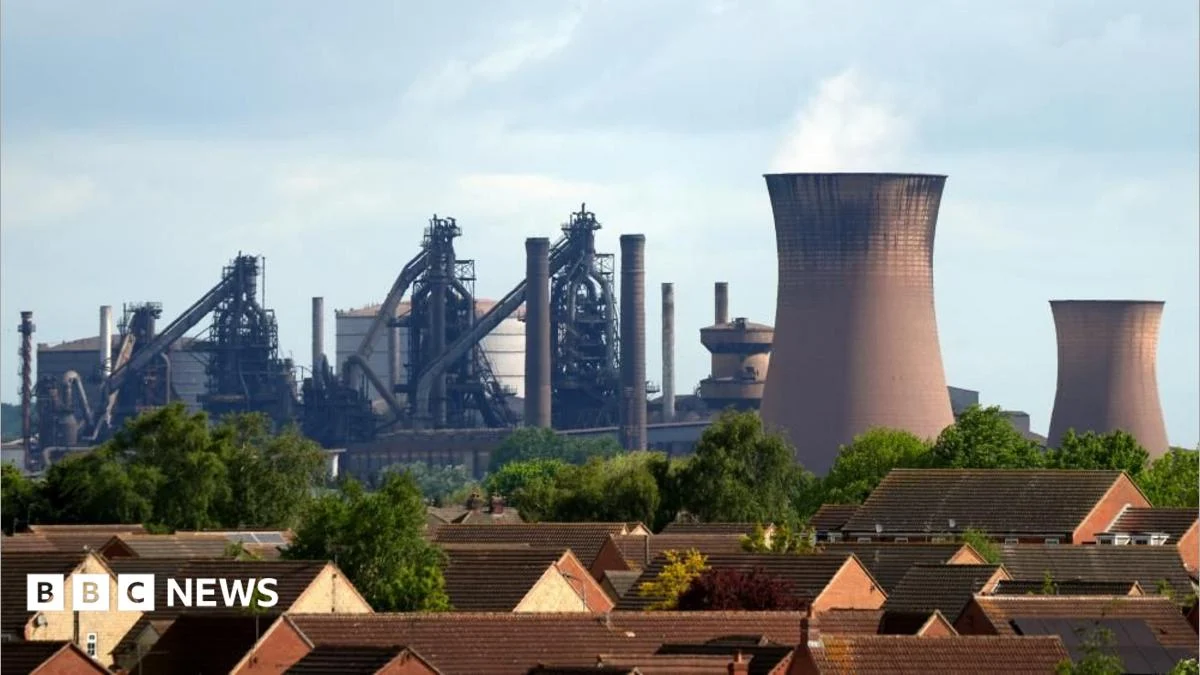
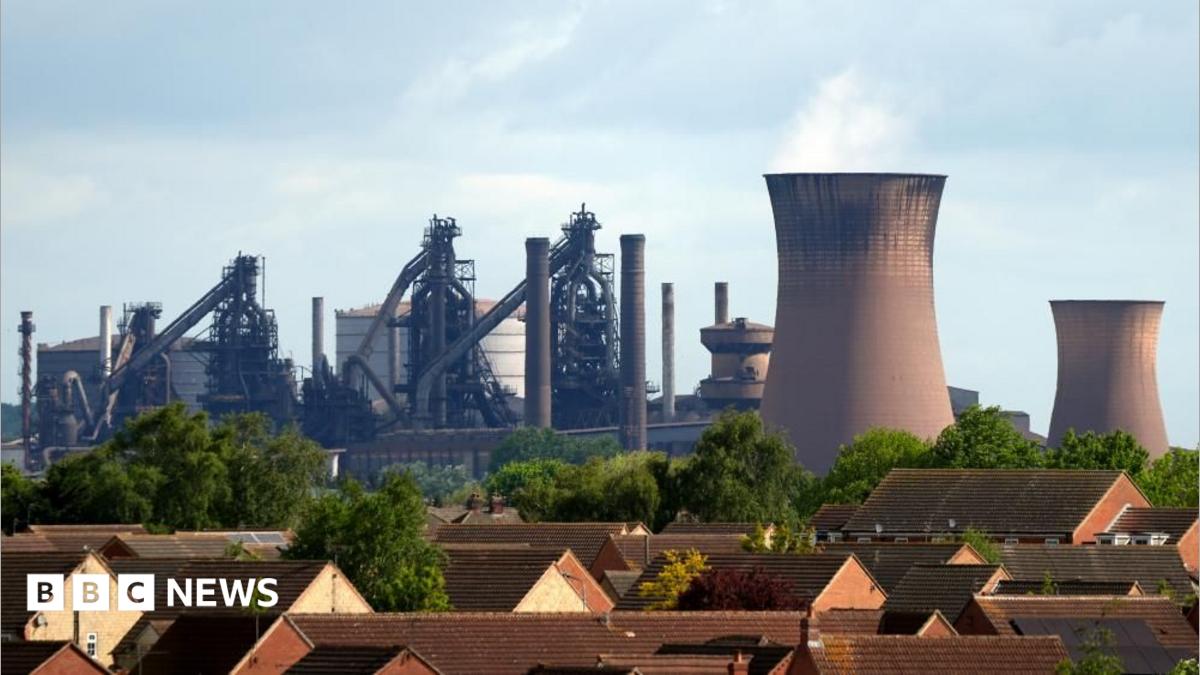
Jingye Group, a prominent Chinese steelmaker, issued a firm statement on Sunday, asserting its commitment to seeking "full compensation through legal means to the very end" over the UK’s decision. The declaration comes just days after the British government formally took the Scunthorpe-based steel plant into public hands on Thursday, a year after initially stepping in to support its operations. Jingye had acquired the Lincolnshire steel plant in 2020, amidst hopes of revitalising the struggling industrial giant. However, by March of last year, the firm launched a consultation on the plant’s closure, citing unsustainable losses of approximately £700,000 per day.
The government’s initial intervention in April 2023 saw it assume a significant role in British Steel’s operations, providing critical financial lifelines to keep the furnaces burning. However, the plant remained under Jingye’s ultimate ownership, a structure that reportedly limited the government’s ability to implement long-term strategic changes and secure the company’s future effectively. The full nationalisation this week, therefore, represents a decisive step by the UK government, which stated its intention to safeguard a "vital national capability" and gain complete control over the plant’s destiny. This decision empowers the government to overhaul the plant, explore options for decarbonisation, and potentially seek new private sector investment under more favourable terms.
The compensation claim from Jingye is expected to be a complex and protracted legal battle. While the specific legal avenues Jingye intends to pursue have not been fully detailed, options could include international arbitration under bilateral investment treaties, or claims through UK domestic courts, arguing for fair market value for the assets taken. The Chinese commerce ministry, in a strong rebuke on Friday, had already stated its "firm opposition and strong dissatisfaction" with the nationalisation. Beijing asserted that the move "seriously infringed" upon Jingye’s legitimate rights and interests, and critically, "severely undermined the confidence of Chinese companies investing in the UK." The ministry also pledged its support for Chinese firms to protect their rights, hinting at the potential for diplomatic backing in Jingye’s legal endeavours.
A UK government spokesperson, responding to the escalating situation, indicated that draft compensation regulations are anticipated to be released in the autumn. These regulations will outline a formal compensation process, stipulating that an independent assessor would be appointed to "determine what, if any, is payable." This cautious phrasing suggests that the British government does not automatically concede that compensation is due, or at least not to the extent Jingye may be demanding. The spokesperson also tried to mitigate the diplomatic fallout, stating on Friday that commercial negotiations with the Chinese steelmaker had failed to reach an agreement "that represented value to the taxpayer." They added, "We highly value our relationship with China and remain open to Chinese investment, and we will continue to work together to deliver a successful trading relationship that provides the best opportunities for British businesses." This attempt to separate the specific dispute from broader UK-China economic ties underscores the delicate balance the government is trying to strike.
The nationalisation and subsequent compensation claim arrive at a particularly sensitive juncture for UK-China relations. With Andy Burnham poised to enter Downing Street as prime minister on Monday, his incoming administration will immediately face the challenge of navigating this industrial dispute, which carries significant geopolitical weight. The incident could serve as a litmus test for the new government’s approach to foreign investment, especially from non-allied nations, and its willingness to intervene in strategically important sectors.
The Scunthorpe steelworks holds immense significance for the UK, employing approximately 2,700 people directly and supporting thousands more jobs within the wider supply chain in North Lincolnshire. Its closure would have been devastating for the region’s economy and would have eliminated the UK’s capability for primary steel production, making the nation entirely dependent on global supply chains for a foundational industrial material. Business Secretary Peter Kyle, in defending the nationalisation, emphasised this strategic imperative. "If that business disappears, we will lose the ability for primary steel production in our country, we will become entirely dependent on global supply," he stated on Thursday. He affirmed that letting the operation close was not an option and that the government would continue to cover the running costs "for the immediate future," despite a National Audit Office report in March revealing that the plant was costing the government about £1.3m a day to keep operational. This significant financial outlay highlights the government’s commitment to maintaining this strategic industrial capacity.
The British steel industry has a long and often turbulent history. British Steel itself was last under state ownership in 1988, before being privatised by Prime Minister Margaret Thatcher’s government as part of her broader programme of divesting state assets. Since then, the company has cycled through various private owners, each grappling with intense global competition, fluctuating raw material costs, high energy prices, and the immense capital expenditure required for modernisation and decarbonisation. Jingye Group’s tenure was marked by these persistent challenges, exacerbated by global economic headwinds and the specific operational difficulties of the aging Scunthorpe plant. The nationalisation thus represents a full circle moment, bringing a vital industry back into public hands after decades of private sector struggles.
Looking ahead, the UK government faces the dual challenge of managing the legal and diplomatic fallout from Jingye’s compensation claim while simultaneously formulating a viable long-term strategy for British Steel. This strategy will likely involve significant investment in green steel technologies, such as electric arc furnaces, to reduce the plant’s carbon footprint and ensure its competitiveness in a rapidly decarbonising global economy. Attracting new, stable private investment will also be crucial, but this will be complicated by the current dispute and the precedent of nationalisation. For the 2,700 employees and the wider community in Scunthorpe, the nationalisation offers a measure of stability, but the ultimate future of their livelihoods remains intertwined with the success of the government’s strategic plans and the resolution of the ongoing legal battle. This complex scenario underscores the intricate interplay between economic necessity, national security, international relations, and industrial policy in the modern global landscape.



 George Anjay
 atisusanti
 Ramos Leo
 Roy Suryo
 Nana Banana