
 George Anjay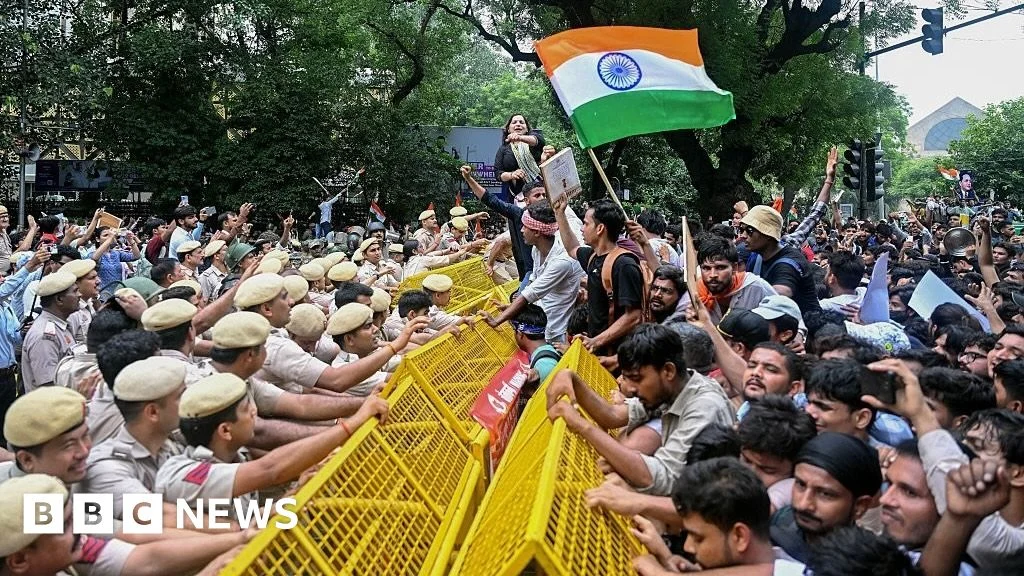
In India, a seismic shift has been brewing beneath the surface of societal discourse, erupting onto the streets of the capital, Delhi, and rippling across other major cities. Tens of thousands of Gen Z protesters, a generation known for its digital fluency and penchant for unconventional activism, have coalesced under a banner that is as perplexing as it is potent: the Cockroach Janta Party (CJP). Their unified demand echoes with a singular, insistent urgency – the resignation of the country’s education minister. This movement, which began as a seemingly whimsical, even satirical, online phenomenon just a couple of months ago, has astonishingly transformed into one of India’s most visible and rapidly growing youth movements, capturing national attention and sparking widespread debate. But what lies at the heart of this seemingly paradoxical protest? What are the underlying grievances that have propelled a generation to embrace a creature often reviled, the cockroach, as their symbol? The BBC’s Anahita Sachdev delves into the intricate tapestry of this burgeoning movement, unraveling the motivations, the messaging, and the profound societal undercurrents that have given rise to the CJP.
The genesis of the Cockroach Janta Party is rooted in the fertile ground of social media, a digital incubator where memes morph into manifestos and hashtags ignite revolutions. Initially, the CJP was conceived as a darkly humorous commentary on the perceived ineptitude and systemic failures within India’s education system. The choice of the cockroach as a mascot was no accident; it was a deliberate and masterfully executed piece of symbolic rebellion. Cockroaches, universally recognized for their resilience, their ability to survive in adverse conditions, and their often unwelcome presence, became a potent metaphor for the plight of India’s youth. They are ubiquitous, often overlooked, and frequently perceived as pests by those in power, yet they persist, adapt, and survive against all odds. This resonated deeply with a generation that feels marginalized, unheard, and burdened by an educational framework that many believe is failing to equip them for the future. The online community, initially a playful echo chamber, soon found its voice amplified, its members discovering a shared sense of frustration and a collective desire for tangible change. What began as digital banter rapidly evolved into a powerful catalyst for offline action.
The grievances fueling the CJP are multifaceted and deeply entrenched in the fabric of India’s educational landscape. At the forefront is the perceived lack of quality and relevance in the curriculum. Many students express that the current syllabi are outdated, failing to incorporate critical thinking skills, modern technological advancements, or the practical knowledge required to navigate the contemporary job market. The emphasis, they argue, remains on rote memorization and standardized testing, stifling creativity and individual intellectual development. This has led to a growing disconnect between what is taught in classrooms and the skills demanded by employers, resulting in widespread unemployment and underemployment among graduates. The youth feel they are being prepared for a past that no longer exists, leaving them ill-equipped for the challenges and opportunities of the 21st century.
Furthermore, the accessibility and equity of education are major concerns. Despite government initiatives, significant disparities persist in the quality of education available across different socio-economic strata and geographical regions. Students from underprivileged backgrounds often face hurdles such as inadequate infrastructure, a lack of qualified teachers, and limited access to resources, perpetuating cycles of disadvantage. The CJP’s members, many of whom hail from these very communities, are acutely aware of these inequities and are demanding a more inclusive and equitable educational system that provides a level playing field for all.
The administration of educational institutions has also come under intense scrutiny. Allegations of corruption, bureaucratic inefficiency, and a general lack of accountability within the Ministry of Education have further fueled the protesters’ anger. The CJP contends that a stagnant and unresponsive leadership is failing to address the systemic issues plaguing the system, prioritizing political expediency over the genuine needs of students. The demand for the education minister’s resignation is a symbolic call for a complete overhaul of leadership and a commitment to a new era of transparent and effective governance in education.
The choice of Jantar Mantar, the historic protest site in Delhi, for large-scale demonstrations is itself symbolic. For centuries, Jantar Mantar has been a space where citizens have gathered to voice their grievances and demand accountability from the government. For the CJP, occupying this space signifies their intent to be heard, to challenge the status quo, and to assert their right to participate in shaping their own future. The sight of thousands of young faces, many adorned with makeshift cockroach masks or carrying banners emblazoned with the CJP logo, marching through the streets, is a powerful visual testament to their resolve.
The "cockroach" metaphor extends beyond mere survival. It also speaks to the perceived invisibility of the youth’s concerns. Just as cockroaches are often ignored until they become a nuisance, the protesters feel their voices have been overlooked by the authorities. Their adoption of this symbol is a defiant reclamation, transforming a symbol of nuisance into one of resilience and unapologetic presence. It is a declaration that they are no longer willing to be silent, to be swept under the rug. They are here, they are visible, and they demand to be acknowledged.
The movement’s digital origins have also been instrumental in its rapid growth and reach. Social media platforms have enabled the CJP to organize, mobilize, and disseminate information with unprecedented speed. Online discussions, shared manifestos, and viral campaigns have fostered a sense of community and solidarity among young people across the country, transcending geographical boundaries. This digital infrastructure has allowed the movement to gain momentum offline, translating online activism into tangible street protests.
The CJP’s demands are not merely abstract pronouncements; they are concrete calls for reform. They are advocating for a comprehensive review and modernization of the curriculum, incorporating subjects like digital literacy, critical thinking, and entrepreneurship. They are pushing for increased investment in public education, particularly in underserved areas, and for measures to ensure equitable access to quality learning resources. Furthermore, they are demanding greater transparency and accountability in the administration of educational bodies, with a focus on combating corruption and fostering a culture of meritocracy.
The emergence of the CJP signifies a broader trend of youth activism in India, characterized by a willingness to challenge traditional norms and embrace innovative forms of protest. This generation, digital natives who have grown up with access to information and global perspectives, is less inclined to accept authority unquestioningly. They are more vocal, more organized, and more determined to hold their leaders accountable. The CJP, with its unique mascot and potent message, is a prime example of this evolving landscape of civic engagement.
The implications of the CJP movement extend beyond the immediate demand for the education minister’s resignation. It represents a vital conversation about the future of education in India and the role of its youth in shaping that future. The persistence of the cockroach as a symbol underscores the deep-seated issues of resilience and survival that many young Indians face within the current system. As the protests continue and the national dialogue intensifies, the Cockroach Janta Party has undeniably etched its mark, forcing a reckoning with the challenges that lie at the heart of India’s educational aspirations and the unwavering spirit of its young generation. Their protest, born from digital satire and fueled by genuine grievance, has become a powerful testament to the enduring human spirit’s ability to adapt, persist, and ultimately, to demand change.




 Roy Suryo

 Nakalama John
 atisusanti
 Ramos Leo
