
 George Anjay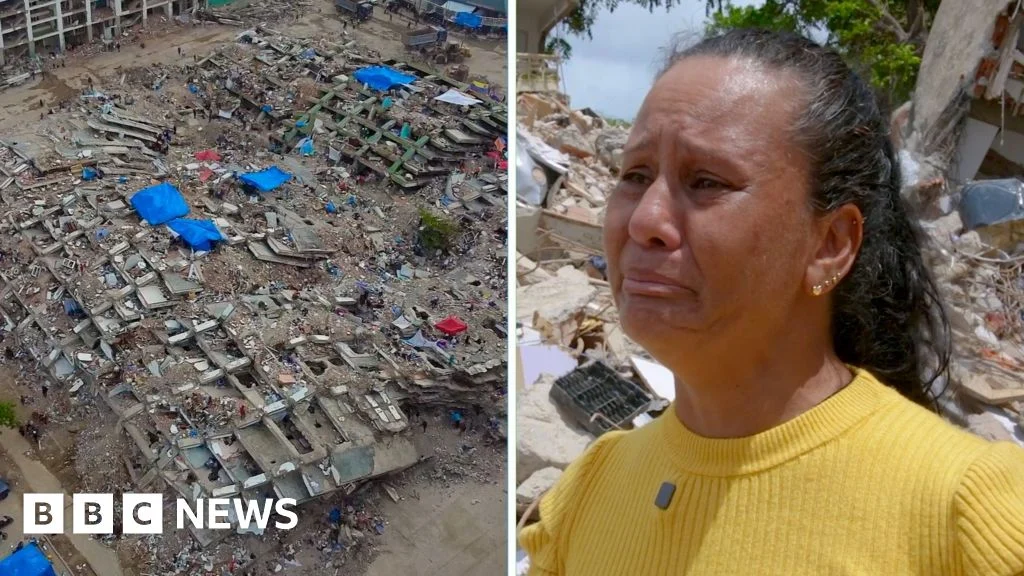
A somber month has passed since the earth convulsed and tore through the coastal region of La Guaira, Venezuela, yet for countless families, the agony of loss remains a raw, unhealed wound. The twin earthquakes that struck on June 24th, powerful tremors that reshaped the landscape and shattered lives, have left behind a landscape of devastation and an enduring search for closure. The shattered remnants of apartment buildings, once symbols of ordinary lives and hopeful futures, now stand as grim monuments to the tragedy, their skeletal remains a constant reminder of the loved ones buried beneath. In the heart of La Guaira, the region bearing the brunt of this natural disaster, families continue their heartbreaking vigil, sifting through debris with a desperate hope of finding any trace of their missing kin.
The official death toll, a figure that has steadily climbed since the initial chaos, now stands at over 5,300 souls. However, this grim tally is widely believed to be an underestimate, with whispers and estimations suggesting that as many as 50,000 individuals may still be unaccounted for. This staggering number paints a stark picture of the scale of devastation, a tragedy that has ripped through communities and left a void in the fabric of Venezuelan society. The BBC’s Latin America correspondent, Will Grant, a witness to the immediate aftermath of the tremors, returned to the ravaged towns of La Guaira a month later, only to find the same heart-wrenching scenes. Families, their faces etched with exhaustion and a profound sadness, are still engaged in the painstaking and emotionally draining task of searching for their lost family members, their determination fueled by a primal need for answers and a final farewell.
The impact of the earthquakes extends far beyond the immediate loss of life. The destruction of infrastructure has been immense, leaving thousands homeless and vulnerable. The coastal highway, a vital artery connecting communities, has been severely damaged, hindering rescue efforts and exacerbating the isolation of affected areas. Entire neighborhoods have been reduced to rubble, the once-familiar streets now an unrecognizable maze of twisted metal and pulverized concrete. The economic repercussions are also profound, with businesses destroyed and livelihoods obliterated. The already strained Venezuelan economy, grappling with years of political and economic turmoil, now faces the monumental task of rebuilding and supporting its devastated populace.
The humanitarian crisis unfolding in La Guaira is multifaceted. Beyond the immediate need for shelter and food, there is a critical demand for psychological support. The trauma of witnessing such destruction, of losing loved ones in such horrific circumstances, will undoubtedly leave deep scars. Children, in particular, are vulnerable to the psychological impact of this disaster, having witnessed unimaginable horrors and potentially lost parents, siblings, or friends. Efforts are underway to provide counseling and support services, but the sheer scale of the need makes this a formidable challenge. International aid organizations have begun to arrive, bringing with them essential supplies and expertise, but the logistical hurdles of reaching all those in need are significant.
The geological context of the earthquakes adds another layer of concern. La Guaira is situated in a seismically active zone, a fact that has been starkly and tragically underscored by this event. Scientists are studying the seismic activity to understand the causes of these powerful tremors and to assess the ongoing risk of aftershocks. The resilience of the nation’s infrastructure in the face of such seismic forces is now a critical question, and the need for improved building codes and earthquake preparedness measures is more apparent than ever. The long-term implications for coastal communities, vulnerable to both earthquakes and the potential threat of tsunamis, are a subject of ongoing scientific and governmental review.
The personal stories emerging from the rubble are a testament to the enduring strength of the human spirit in the face of overwhelming adversity. Neighbors have come together to help neighbors, sharing what little they have and offering each other comfort and support. Stories of survival, of acts of bravery and selflessness, offer glimmers of hope amidst the despair. Yet, these stories are intertwined with tales of profound grief and unfulfilled longing. The mother who clutches a tattered photograph, searching for any sign of her child. The husband who continues to dig through the debris of his former home, hoping against all odds to find his wife. These are the faces of the ongoing search, the embodiment of a grief that transcends statistics.
The role of government response has been a focal point of discussion and criticism. While officials have declared the search and rescue phase largely over, many families argue that the efforts to recover bodies have been insufficient. The logistical challenges are undeniable, with vast areas of destruction and the inherent dangers of unstable structures. However, the perception among many is that more could and should be done. The allocation of resources, the coordination of efforts, and the transparency of information are all areas that are being closely scrutinized. The long-term rebuilding process will require a sustained and coordinated effort from both the government and international partners.
The international community has responded with a mixture of sympathy and practical assistance. Condolences have poured in from around the globe, and aid packages, including food, water, medical supplies, and temporary shelter, are slowly making their way to Venezuela. However, the challenges of delivering aid effectively within the country, given its complex political and economic landscape, are significant. The ongoing sanctions against Venezuela have also raised questions about their impact on the ability of the country to procure necessary resources and to facilitate international aid efforts.
As the dust begins to settle, both literally and figuratively, the long road to recovery for La Guaira and its people has only just begun. The physical rebuilding of homes and infrastructure will take years, if not decades. The emotional and psychological scars will take even longer to heal. The quest for missing loved ones, the desperate search for closure, will continue to be a defining narrative for many families. The earthquakes of June 24th have left an indelible mark on Venezuela, a stark reminder of the fragility of life and the immense power of nature. The world watches, and hopes, that the resilience of the Venezuelan people, coupled with sustained international support, will ultimately pave the way for healing and a brighter future, even as the echoes of loss continue to resonate in the silence. The unwavering determination of families to find their lost loved ones, a month after the earth last shook, speaks volumes about the enduring power of love and the unyielding human need for peace.



 Roy Suryo

 Nakalama John
 atisusanti
 Ramos Leo
