
 Nakalama John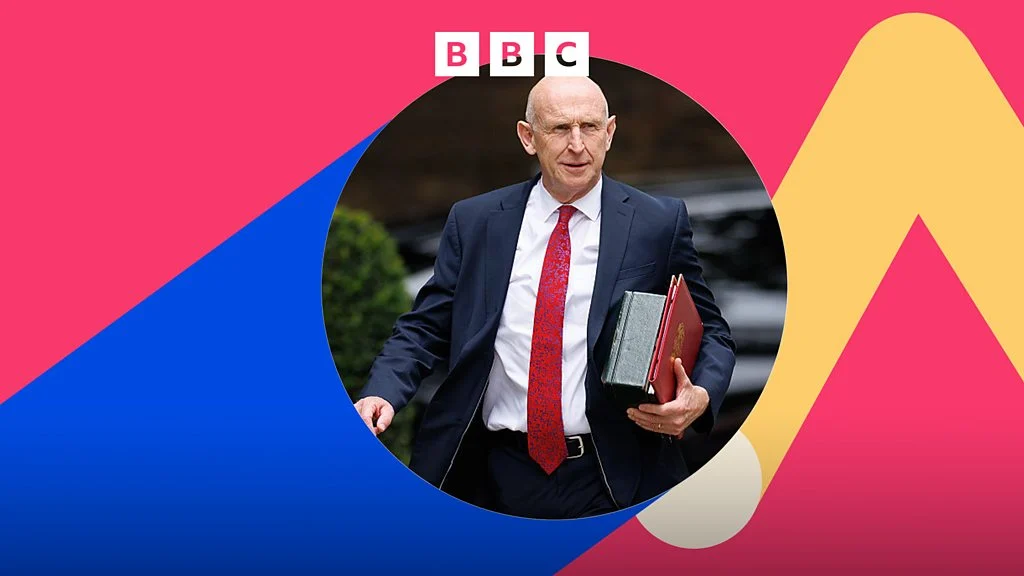
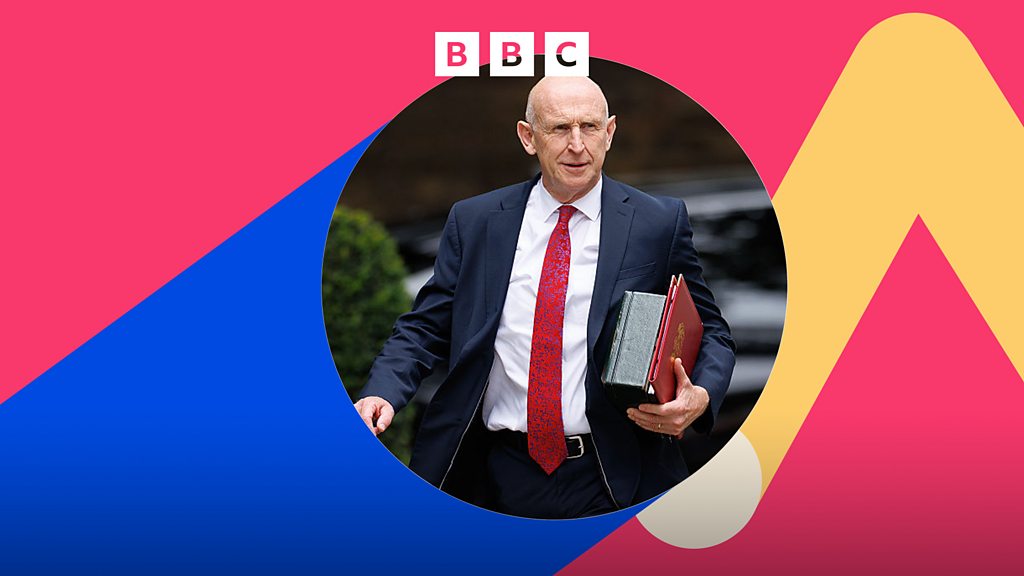
The advent of a new Chancellor often signals a shift in economic strategy, and John Healey wasted no time in unveiling a series of measures designed to tackle pressing economic concerns. His early announcements included a significant cut to VAT on household energy bills, slated to take effect from October. This move is anticipated to provide a much-needed respite for families grappling with persistently high energy costs, offering a direct reduction in monthly outgoings as the colder months approach. While welcomed by many as a tangible effort to ease the cost of living crisis, such broad-brush tax cuts can sometimes face scrutiny for potentially disproportionately benefiting higher-income households or for the long-term impact on public finances. Nevertheless, the immediate intention is clear: to put more money back into the pockets of everyday consumers.
Following swiftly, the Chancellor outlined a plan to cap bus fares across England starting in January. This policy aims to make public transport more affordable and accessible, particularly for those in rural areas or on lower incomes who rely heavily on buses for commuting, employment, and social engagement. Beyond the direct financial benefit to passengers, the initiative could also serve broader environmental objectives by encouraging a shift away from private car usage, thereby reducing traffic congestion and carbon emissions. The success of such a cap will hinge on its implementation and the extent to which it genuinely encourages ridership while maintaining the financial viability of bus operators.
The third significant announcement targeted the struggling hospitality and live entertainment sectors, promising a 20% cut to business rates for pubs, clubs, and live music venues in England, commencing in April. This measure reflects a recognition of the immense challenges these businesses have faced, particularly in the wake of recent economic disruptions and changing consumer habits. High business rates have long been a burden, and this reduction is expected to offer crucial support, potentially preventing closures, stimulating investment, and helping to revitalise local high streets and cultural scenes. It represents a strategic investment in sectors that contribute significantly to both local economies and community well-being.
However, amidst these new plans, ‘Money Box’ highlighted a critical financial concern that resonated deeply with voters during Andy Burnham’s campaign for election in his new constituency of Makerfield: the frozen personal tax threshold. This seemingly innocuous policy, often referred to as "fiscal drag," quietly increases the tax burden on individuals without a direct change to tax rates. By freezing the income level at which individuals start paying income tax, or move into higher tax bands, inflation effectively pushes more people into paying tax or into higher tax brackets over time, even if their real-terms income has not increased. For millions, this amounts to a stealth tax, eroding disposable income at a time when households are already stretched. The programme underscored the public’s desire for the new Chancellor to address this issue, questioning whether he would maintain the freeze, thus continuing to swell Treasury coffers at the expense of household budgets, or if he would move to unfreeze the thresholds in line with inflation, offering a genuine tax cut to working individuals.
Beyond the immediate political landscape, ‘Money Box’ shone a spotlight on a stark social issue: water poverty. An exclusive new study, commissioned by the Consumer Council for Water and seen by the programme, revealed that nearly two million households in England and Wales are currently living in water poverty. The technical definition, as explained, is when people spend more than 5% of their income, after housing costs, on water bills. In reality, this translates into a distressing struggle to afford essential water services, leading to debt with water companies, immense financial stress, and in some cases, a reluctance to use water for basic needs, with potential health and hygiene implications. The Consumer Council for Water, the independent body representing water consumers, elaborated on the findings and the urgent need for action. This situation highlights the broader challenges of rising utility costs and the need for robust support mechanisms, such as social tariffs, and greater accountability from water companies to ensure affordable access to a fundamental necessity.
The programme also turned its attention to the increasingly pertinent topic of intergenerational wealth transfer, specifically focusing on the rules surrounding gifts and inheritance tax. A new survey conducted by the financial advisors The Private Office provided compelling insights, indicating that more than 8 in 10 of its clients aged over 45 believe parents and grandparents should help younger generations financially during their lifetime, rather than solely through inheritance after death. This sentiment reflects a growing desire among older generations to witness their loved ones benefit from their wealth when it can make the most significant difference, such as contributing to a house deposit in a challenging property market, funding education, or supporting nascent careers.
However, navigating the complexities of inheritance tax (IHT) rules when making lifetime gifts is crucial to avoid unintended tax liabilities. The programme provided essential context to these rules. Individuals can give away up to £3,000 each tax year as an "annual exemption" without it being added to the value of their estate for IHT purposes. There’s also a "small gift exemption" of £250 per person per year, applicable to any number of people, provided no other exemption has been used for that person. Gifts made in consideration of a marriage or civil partnership also have specific exemptions: parents can gift up to £5,000, grandparents up to £2,500, and any other person up to £1,000. Additionally, regular gifts made out of surplus income – provided they do not affect the giver’s standard of living – can also be IHT-exempt.
Perhaps the most significant rule discussed revolves around Potentially Exempt Transfers (PETs). Most gifts made during a person’s lifetime are PETs. If the donor lives for seven years after making a PET, the gift becomes entirely exempt from IHT. If the donor dies within seven years, the gift becomes chargeable, and IHT may be due, although "taper relief" can reduce the amount of tax payable on gifts made between three and seven years before death. Understanding the nil-rate band, currently £325,000 per individual, and the residence nil-rate band, which allows an additional £175,000 when a main home is passed to direct descendants, is also vital for comprehensive estate planning. The standard rate of Inheritance Tax is 40% on the portion of an estate above these thresholds.
The ‘Money Box’ segment underscored that while the intention to help younger generations is noble and often practical given the economic challenges faced by millennials and Gen Z, careful financial planning with expert advice is paramount. This ensures that gifts are structured in a way that maximises their benefit to the recipient while minimising any potential IHT liability for the estate. The discussion highlighted the evolving attitudes towards wealth transfer, moving from a traditional posthumous distribution to a more proactive, living legacy approach, reflecting the changing economic realities and family dynamics of modern Britain.
In summary, the Money Box episode provided a timely and insightful analysis of both immediate governmental economic policies under the new Chancellor, John Healey, and pressing long-term financial challenges facing UK households. From the promise of energy bill relief and transport affordability to the silent burden of fiscal drag, and from the harsh reality of water poverty to the strategic complexities of intergenerational wealth transfer, the programme offered listeners a comprehensive overview of how these developments might shape their personal finances in the coming years.




 Roy Suryo

 atisusanti
 Ramos Leo
