
 Nakalama John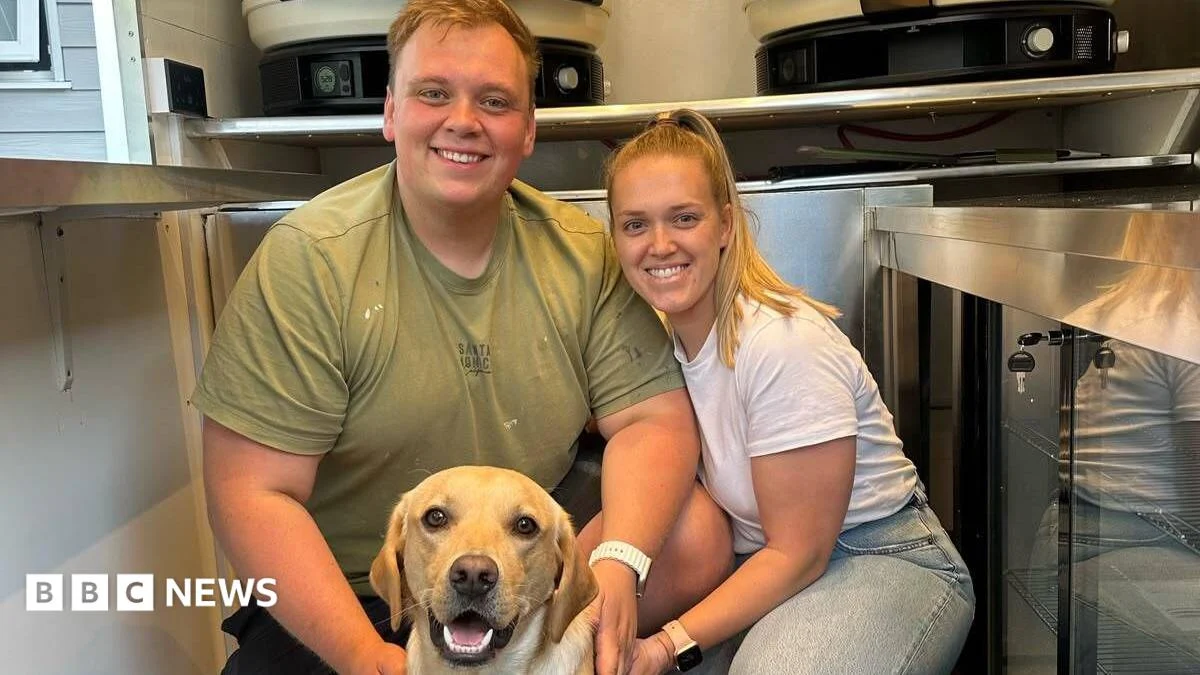
Their journey into this shared financial world began early. The couple got married after two years together, a period during which they had already established a transparent and equitable approach to their money. At the time of their wedding, Max was thriving in the tech sector, commanding a substantial salary of £70,000 a year. Hannah, by contrast, worked in the charity sector, a field renowned more for its social impact than its financial remuneration, and her earnings were considerably less. Yet, this initial disparity never prompted a proportional split. Instead, they embraced the 50/50 model from the outset, a decision that cemented their belief in joint ownership and responsibility regardless of individual contribution.
The practical application of their philosophy is straightforward yet highly effective. All of their salaries are deposited directly into a single joint account. From this central fund, every shared expense is meticulously covered: their mortgage payments, utility bills, the cost of food, petrol for their vehicles, and all other myriad household costs that come with running a home. This centralized system eliminates any tracking of who paid for what, fostering a sense of collective responsibility and shared burden. There are no mental ledgers, no passive-aggressive remarks about one person contributing more than the other to the household. The money is simply "theirs," not "his" or "hers."
Beyond the essential household expenditures, their system also prioritizes individual autonomy within their joint financial framework. Each month, Hannah and Max withdraw an identical amount for personal spending. This designated personal allowance grants them the freedom to indulge in individual desires without needing to seek approval or justify their choices to their partner. If Hannah wishes to purchase new clothes, invest in make-up, or meet friends at the pub, she can do so without feeling scrutinised. Similarly, Max can buy gadgets, pursue hobbies, or enjoy social outings with his personal fund. "It means we aren’t accountable to each other for those things," Max notes, highlighting the psychological benefit of this arrangement. It fosters independence and trust, preventing petty arguments over discretionary spending and ensuring that their personal indulgences remain just that – personal, without impinging on their shared financial harmony.
Their financial management extends beyond just joint and personal accounts. They also strategically divide money into various "pots" for specific purposes. This proactive approach to saving and planning ensures they are prepared for both anticipated and unforeseen expenses. These pots include substantial savings for long-term goals, such as future investments, potential house renovations, or significant travel plans. Smaller, more specific funds are also established for predictable but non-monthly spending, such as haircuts, annual subscriptions, or car maintenance. This multi-layered approach to their finances demonstrates a high degree of foresight and collaborative planning, ensuring that their 50/50 principle supports both their day-to-day lives and their long-term aspirations as a couple.
The true test of their equitable financial system, however, arrived last year with an unexpected and profound challenge. Max was made redundant from his high-earning tech job, plunging their household income into sudden uncertainty. The immediate aftermath was understandably fraught with emotion. "There was shock and panic initially," Hannah recalls, describing the gut-wrenching feeling of vulnerability that swept over them. The security of Max’s substantial salary had vanished, and they were forced to rely entirely on Hannah’s income, which, while respectable at between £40,000 and £60,000, represented a significant decrease in their overall household earnings.
In the face of this adversity, their established system of sharing money proved to be not a source of conflict, but a bedrock of stability. There was no finger-pointing, no questioning of individual contributions. Instead, they approached the crisis as a united front. "But we sat down and really looked through where we could cut things out," Hannah explains, detailing their immediate and pragmatic response. This involved a rigorous review of their entire financial landscape. They cancelled discretionary expenses like gym memberships and Sky TV subscriptions, opting for more cost-effective alternatives or simply doing without. They scrutinised every recurring bill, every monthly outflow, determined to trim their budget to ensure they could comfortably cover their mortgage and essential bills on Hannah’s sole income. This period, though stressful, reinforced their commitment to each other and the effectiveness of their shared financial vision.
For Max, redundancy presented both a challenge and an unexpected opportunity. Having trained at culinary school in his youth instead of pursuing traditional A-levels and university, he had initially moved away from hospitality, driven by the pragmatic belief that it wouldn’t offer sufficient financial stability. Now, faced with a blank slate, he saw a chance to reconnect with his passion and build something of his own. He envisioned creating a business in something he genuinely enjoyed, a stark contrast to the often-demanding corporate world he had left behind.
Hannah, ever the pragmatist, initially harboured reservations about Max diving straight into a new entrepreneurial venture without a safety net. "At first I told him to set this up alongside getting another job," she admits, reflecting her initial cautious stance. The financial implications of starting a business from scratch, particularly after a redundancy, were daunting. However, they soon realised the immense dedication and time such a venture would demand. It wasn’t something that could be successfully juggled alongside a full-time job.
This pivotal moment required another deep dive into their shared financial philosophy. "We ran the numbers and decided that this was the right moment to take the risk given we don’t have kids and no one else is depending on us," Hannah reveals. This decision wasn’t impulsive; it was a calculated risk, meticulously planned and mutually agreed upon. Their lack of dependents provided a crucial window of opportunity, allowing them a degree of flexibility and risk tolerance that many couples do not possess. They had savings, they had Hannah’s stable income, and most importantly, they had a shared vision and an unwavering trust in each other’s judgment.
Max’s entrepreneurial dream materialised in the form of a mobile pizza business. He invested £20,000 from his redundancy package, a figure they had mutually agreed upon as their absolute limit for the initial setup costs. This capital was used to purchase and painstakingly convert a horsebox trailer into a fully equipped, professional pizza truck. This wasn’t just an investment of money; it was an investment of time, effort, and Max’s renewed passion for culinary arts. The agreed financial cap was crucial; it meant that if the business didn’t succeed within that budget, Max would pivot and seek traditional employment rather than continually pouring more money into a failing venture. This responsible approach mitigated their risk and demonstrated their continued commitment to sound financial planning.
Today, Max’s pizza truck business is a vibrant success, catering for weddings, parties, and pop-up events, bringing in a robust revenue of between £4,000 and £6,000 a month. From this revenue, Max now pays himself a salary that is sufficient to cover their mortgage, significantly easing the financial burden on Hannah and restoring their household income to a more comfortable level. The journey from redundancy to thriving entrepreneurship, navigated hand-in-hand, stands as a powerful testament to the strength of their partnership and the resilience fostered by their unwavering commitment to a 50/50 financial split. Their story illustrates that true financial equality is not just about numbers; it’s about shared values, mutual support, and an unshakeable belief that when you commit to "what’s mine is yours, and vice versa," you build a foundation strong enough to weather any storm and achieve any dream together.




 Roy Suryo

 atisusanti
 Ramos Leo
