Roy Suryo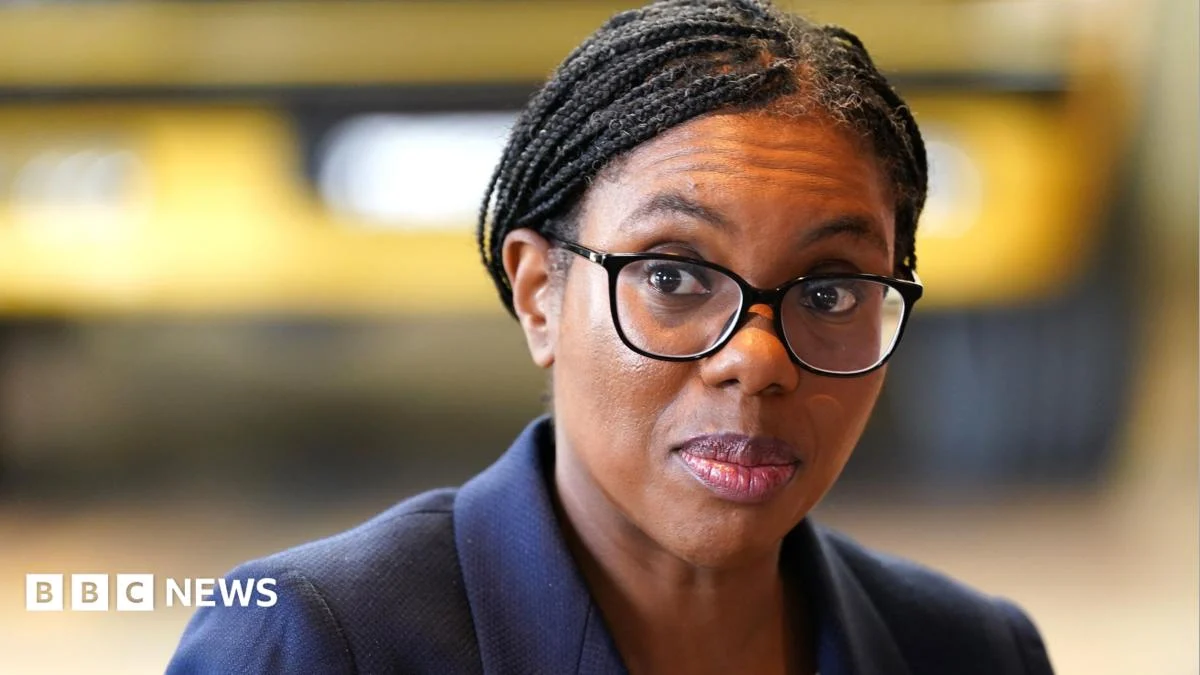
The passage of time has not dulled the urgency of the situation, nor has it simplified the path towards a sustainable solution. The Conservative government’s approach, while acknowledging the problem, has been met with skepticism and criticism from various quarters. The inherent difficulty in finding a funding model that is both equitable and sustainable has plagued every administration. The complexities extend beyond mere financial allocation; they encompass the very structure of care provision, the role of local authorities, the experiences of unpaid carers, and the dignity of those receiving care. The recent controversy surrounding Labour’s decision in July 2024 to scrap plans for an £86,000 cap on lifetime personal care costs for individuals in England has further intensified the debate. This U-turn, which had been a cornerstone of their proposed reforms, drew sharp criticism, with opponents arguing that it signals a lack of genuine commitment to alleviating the financial burden on families. The £86,000 cap, intended to provide a degree of financial certainty and prevent individuals from being forced to sell their homes to fund care, was seen by many as a crucial step towards a fairer system. Its abandonment has been interpreted by some as a retreat from a commitment to protect vulnerable citizens from crippling costs.
Sir Ed Davey, the leader of the Liberal Democrats, a party that has consistently championed social care reform, seized the opportunity to reiterate his party’s commitment. His statement on Saturday, declaring that "This has to be the start of a real effort to end the social care catastrophe," reflects a palpable frustration with the prevailing inertia. Davey’s emphasis on the plight of family carers, who often bear the brunt of the care burden without adequate support or recognition, highlights another critical dimension of the crisis. The unpaid labour of these individuals is a cornerstone of the social care system, yet their contributions are frequently overlooked and their own well-being often compromised. His call for "cross-party consensus" and his expressed hope that the Prime Minister’s door is open for dialogue underscore a desire for collaborative action, transcending partisan divides. This plea for unity is particularly pertinent given the entrenched nature of the problem, which requires a long-term vision and a shared commitment that extends beyond electoral cycles.
Andy Burnham, a vocal advocate for social care reform, responded positively to Sir Ed Davey’s overtures on the social media platform X, writing, "It most certainly is, Ed. Let’s work together to find some common ground." This conciliatory response from Burnham, who has positioned himself as a champion of the vulnerable, suggests a willingness to engage in constructive dialogue and to explore avenues for bipartisan cooperation. His acknowledgment of Davey’s concerns and his invitation to collaborate are indicative of a pragmatic approach, recognizing that a united front is more likely to yield meaningful progress. The exchange between Burnham and Davey offers a glimmer of hope for a more unified and effective approach to addressing the social care crisis, a crisis that has long been characterized by political fragmentation and a lack of sustained, cross-party action.
However, it is within this context of renewed political discourse that Kemi Badenoch, a senior figure within the Conservative government, has issued a clear and unambiguous directive to the Prime Minister: do not raise taxes to fund social care. This stance represents a significant divergence from some of the proposed solutions being discussed and highlights the deep divisions within the political landscape regarding the most appropriate and sustainable funding models. Badenoch’s assertion is rooted in a broader economic philosophy that emphasizes fiscal prudence and a reluctance to impose further tax burdens on individuals and businesses. She argues that an increase in taxation, particularly in the current economic climate, could stifle growth, discourage investment, and ultimately prove counterproductive. Her position suggests a belief that alternative avenues for funding, or indeed for achieving greater efficiency within the existing system, must be explored before resorting to tax increases. This perspective is likely to resonate with those who are already concerned about the cost of living and the overall tax burden.
The debate over social care funding is not merely an abstract economic discussion; it has profound implications for the lives of millions of people. The current system, characterized by underfunding, workforce shortages, and a fragmented delivery model, is failing to meet the growing demand for care. As the population ages, the need for social care services is projected to increase exponentially, placing even greater strain on an already overstretched system. The consequences of this crisis are far-reaching, impacting not only those who require care but also their families, the healthcare system, and the broader economy. Individuals are often forced to navigate a labyrinthine system, facing lengthy waiting lists, inadequate provision, and exorbitant costs. The emotional and financial toll on families who are often thrust into the role of primary caregivers is immense, with many experiencing burnout, financial hardship, and a decline in their own health and well-being.
The call for cross-party consensus, as articulated by Sir Ed Davey, is therefore not simply a political nicety but a pragmatic necessity. Addressing the social care crisis requires a long-term strategy that transcends the short-term electoral cycles and partisan allegiances that have historically hampered progress. A comprehensive and sustainable solution will likely involve a combination of increased investment, reform of the care market, improved support for unpaid carers, and a re-evaluation of the role of local authorities. Furthermore, the debate needs to move beyond a narrow focus on funding mechanisms and encompass a broader discussion about the societal value of care, the dignity of those receiving it, and the creation of a care system that is fit for the 21st century. The differing perspectives offered by figures like Badenoch, Burnham, and Davey illustrate the formidable challenge of forging a unified path forward. Badenoch’s emphasis on fiscal conservatism, while understandable from a certain economic viewpoint, risks alienating those who believe that significant public investment is essential to address the humanitarian crisis in social care. Conversely, proposals for increased taxation, while potentially providing much-needed resources, face significant political and economic headwinds.
The commitment of individuals like Andy Burnham to champion this cause is commendable, and his willingness to engage in dialogue with other political leaders offers a potential pathway towards collaboration. The success of any future reforms will hinge on the ability of political parties to move beyond their ideological differences and to prioritize the well-being of the most vulnerable members of society. The legacy of Boris Johnson’s unfulfilled promise serves as a stark reminder of the dangers of ambitious pronouncements without concrete, sustained action. The recent Labour U-turn on the care cap has further fueled public skepticism about the sincerity of political commitments. Therefore, the current moment, characterized by renewed debate and a clear articulation of differing viewpoints, presents both an opportunity and a challenge. The challenge lies in navigating these divergent perspectives to forge a consensus, and the opportunity lies in the potential for genuine progress if political leaders can rise above partisan considerations and work collaboratively to address this urgent and complex issue. The call for a "real effort to end the social care catastrophe" must be met with tangible action, not just rhetoric, if the promise of a dignified and equitable care system for all is to be realized. The question remains whether political will can triumph over entrenched interests and ideological divides to finally deliver on the long-overdue promise of a functioning and compassionate social care system in England.



 Nakalama John
 atisusanti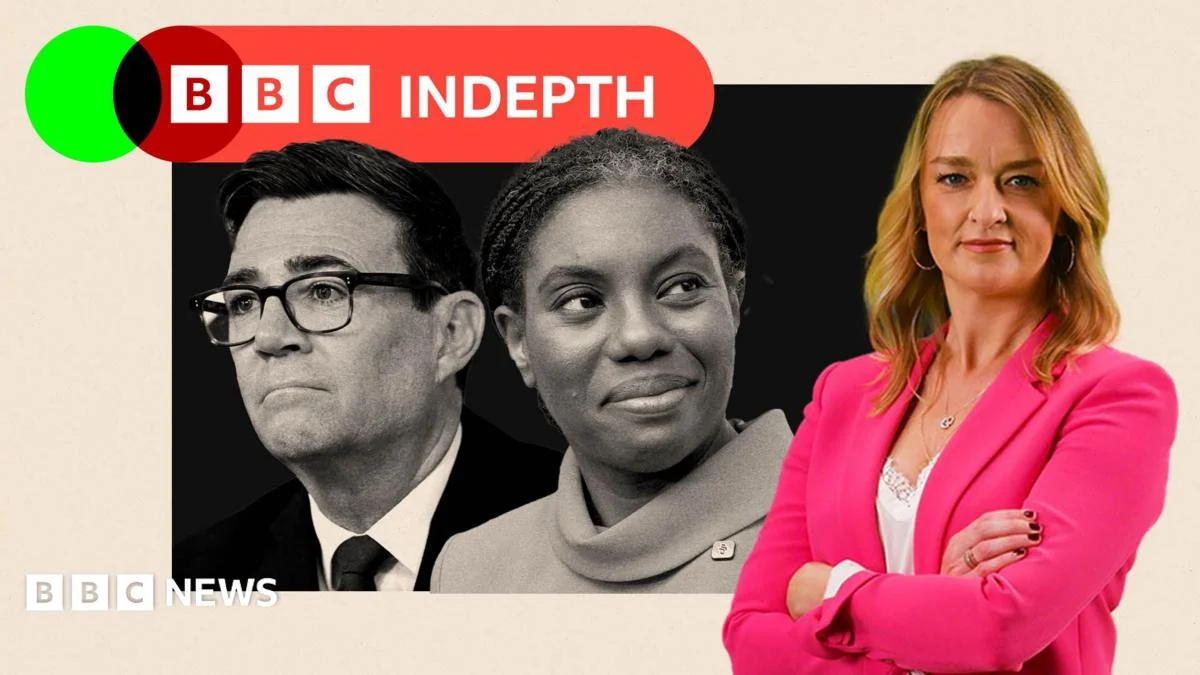
 Ramos Leo