
 Roy Suryo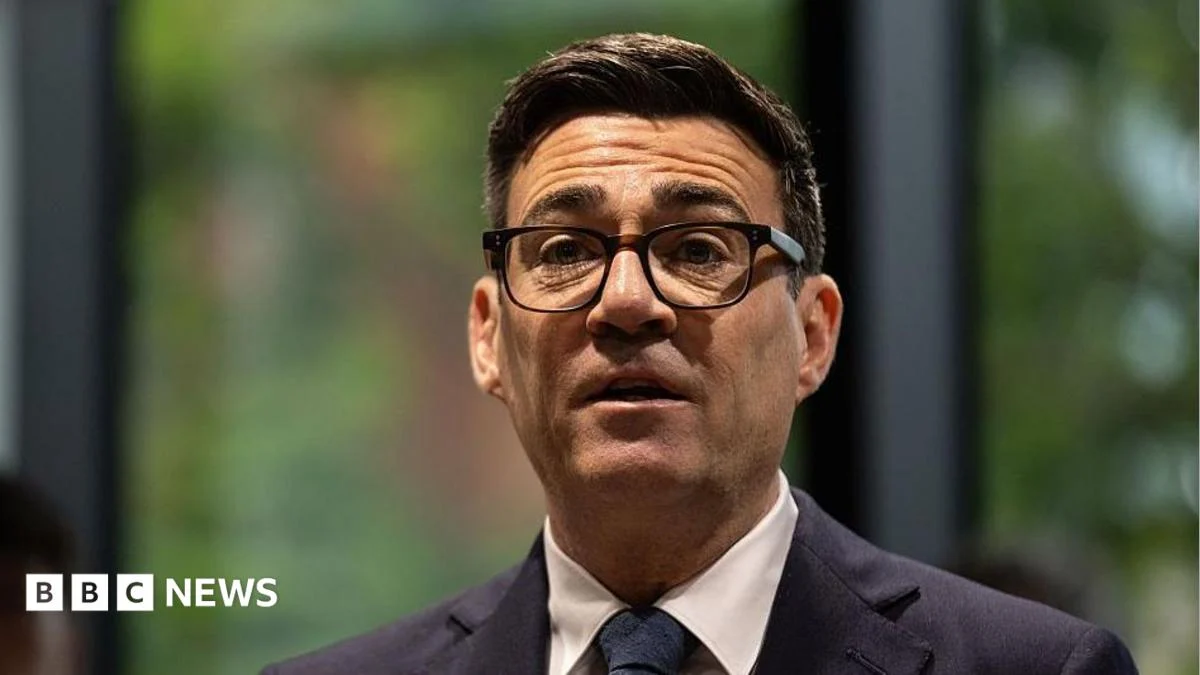
Greater Manchester Mayor Andy Burnham is poised to tackle some of the nation’s most intractable issues, including the long-standing crisis in social care, persistently high youth unemployment, and the complex landscape of devolution. A source close to the Mayor articulated a vision of decisive leadership, stating, "He has the courage to fix the most difficult issues that have been ignored for years and seen as impossible to resolve. He doesn’t accept that they are. They can’t be ignored any longer." This sentiment underscores a commitment to confronting challenges that have historically proven resistant to political will and systemic change. The overarching ambition, as articulated by the source, is to demonstrate the efficacy of government intervention, asserting, "The prime minister is determined to show that governments can make people’s lives better if they choose to. He wants to get Britain believing again." This suggests a desire to restore public faith in the capacity of political leadership to enact meaningful improvements in everyday lives.
The urgent need to reform the social care system is a cornerstone of Burnham’s agenda. Unlike the National Health Service (NHS), which provides free care at the point of use, social care operates on a means-tested system. This means individuals with savings exceeding £23,250 are not entitled to financial assistance from their local council for their care needs. This threshold has been a source of significant hardship for many, forcing families to deplete their life savings or forgo essential support. Burnham’s commitment to addressing this issue comes at a time when social care reform has been a recurring, yet largely unfulfilled, promise from successive governments.
In 2019, Boris Johnson, in his inaugural speech as Prime Minister, vowed to "fix the crisis in social care once and for all." However, five years later, in July 2024, the Labour Party, under Keir Starmer, faced considerable criticism for abandoning plans to implement an £86,000 cap on the lifetime cost of personal care for individuals in England. This U-turn highlighted the immense political and financial complexities associated with delivering comprehensive social care reform.
The Liberal Democrat leader, Sir Ed Davey, a prominent advocate for social care reform, has welcomed Burnham’s focus on the issue. Speaking on Saturday, Sir Ed stated, "This has to be the start of a real effort to end the social care catastrophe." He further emphasized the importance of supporting family carers, adding, "I’ll fight to ensure family carers aren’t forgotten. We need cross-party consensus, and I hope the PM’s door is open." Burnham’s response on X, the social media platform formerly known as Twitter, was conciliatory and collaborative: "It most certainly is, Ed. Let’s work together to find some common ground." This open invitation for dialogue signals a potential for cross-party cooperation on a deeply complex and vital issue.
However, the financial implications of such ambitious reforms remain a significant point of contention. Kevin Hollinrake, Chairman of the Conservative Party, posed a pointed question regarding the funding of Burnham’s proposals: "Where’s the money coming from, Andy? We’re all dying to know. It is all well and good for the prime minister to promise to fix the issues facing our country, but how is he going to pay for them?" This highlights the perennial challenge of balancing policy aspirations with fiscal realities, and the need for clear and credible funding models.
Beyond social care, Burnham is also setting his sights on tackling youth unemployment, a persistent problem that affects economic opportunity and social mobility for a significant segment of the population. While specific details of his youth unemployment strategy are yet to be fully elaborated, his broader approach to governance suggests a focus on practical, impactful interventions. This commitment to addressing youth unemployment is likely to involve initiatives aimed at skills development, apprenticeships, and pathways into meaningful employment, recognizing the long-term consequences of underemployment for individuals and the wider economy.
Furthermore, the issue of devolution, the transfer of powers and responsibilities from central government to regional or local authorities, is another key area Burnham intends to address. Greater Manchester has been at the forefront of the devolution agenda in England, with the region having already secured significant powers in areas such as transport, skills, and health. Burnham is expected to advocate for further devolution, seeking greater autonomy and resources for regional bodies to tailor policies to local needs and priorities. This could involve discussions about fiscal devolution, allowing regions more control over taxation and public spending, and further decentralization of decision-making in areas like economic development and criminal justice.
Burnham’s proactive stance on these critical issues is already evident in his early premiership. In the first week of his tenure, he has made several significant pledges. These include a commitment to end rough sleeping in England, a bold target that requires a multi-faceted approach involving housing, support services, and preventative measures. He has also promised to cut VAT from domestic electricity bills within the current financial year, a measure aimed at providing immediate relief to households struggling with energy costs. Additionally, he plans to reduce the cap on bus fares outside of London from £3 to £2, a move designed to make public transport more affordable and accessible for a wider population.
The government’s commitment to supporting the hospitality and entertainment sectors is also apparent. It was announced that business rates for pubs, clubs, and live music venues in England will be cut by 20% from April. This measure is intended to alleviate financial pressures on these vital parts of the economy and cultural landscape, which have faced significant challenges in recent years.
The breadth of these pledges—from the fundamental human right to social care and housing to economic support for businesses and individuals—indicates a comprehensive and ambitious agenda. Burnham’s approach appears to be rooted in a belief that government has a vital role to play in improving the lives of its citizens, and that by addressing these complex, long-ignored issues head-on, it is possible to foster a renewed sense of optimism and belief in the nation’s future. The coming months and years will be crucial in determining the effectiveness of his strategies and whether his vision for a better-governed Britain can be translated into tangible, positive change. The challenge of securing funding and building consensus will be paramount, but the initial pronouncements signal a determined effort to move beyond rhetoric and towards concrete action on some of the most pressing social and economic challenges facing the country.




 Nakalama John
 atisusanti
 Ramos Leo
