
 Nakalama John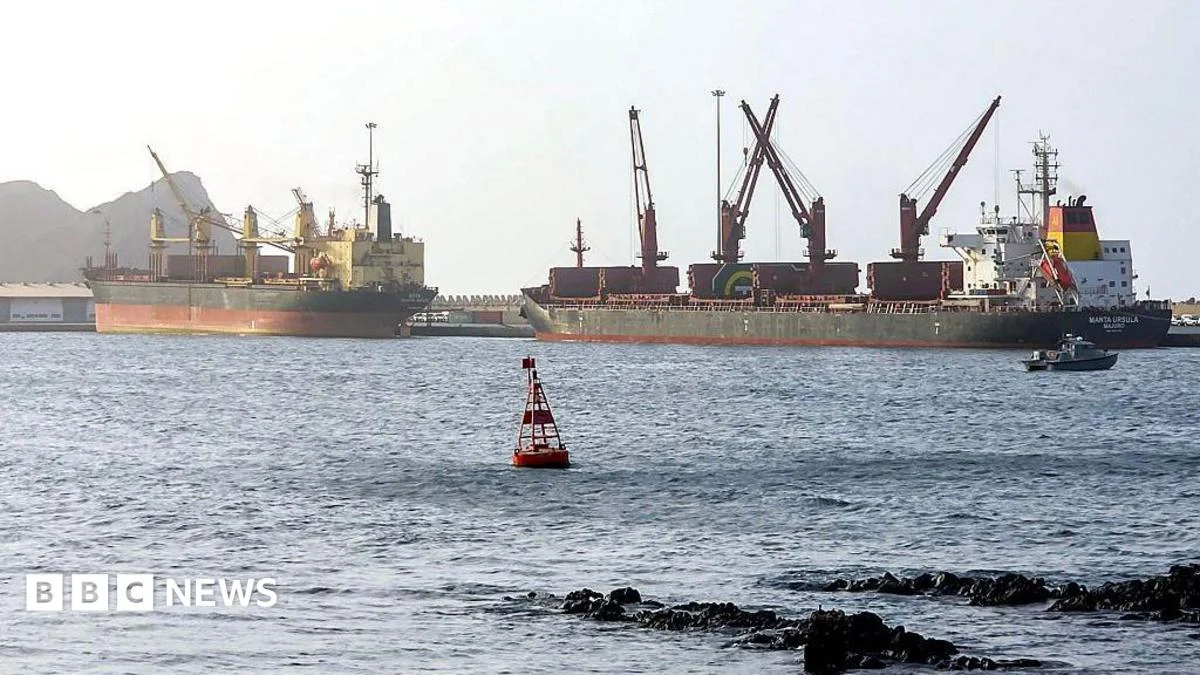
In a reciprocal gesture that offered a glimmer of hope for de-escalation, an Iranian army spokesperson announced on Sunday that Tehran had also halted its "retaliatory" attacks in the region. While the spokesperson did not detail the specific nature of the paused actions, it was understood to encompass missile strikes, drone attacks, and other proxy operations that had become a grim daily reality. This reciprocal halt follows nearly two weeks of intense, tit-for-tat exchanges, effectively unravelling a fragile ceasefire that had been painstakingly brokered in June. That earlier agreement, a Memorandum of Understanding (MOU), had aimed to halt military operations, reopen the vital Strait of Hormuz, and commit both sides to reaching a comprehensive peace agreement within 60 days. Its collapse on July 13th, triggered by Iranian forces attacking commercial tankers in the Strait, had plunged the region back into an active, albeit undeclared, state of war.
The immediate ripple effect of this diplomatic pause was felt in global financial markets, particularly in the energy sector. Oil prices dropped sharply, opening at $91 per barrel on Monday morning. This significant decrease from last week’s peak of $100 per barrel, a level not seen since May, reflected a sudden reduction in the geopolitical risk premium associated with potential disruptions to global oil supplies. Traders and investors reacted positively to the prospect of reduced hostilities, as prolonged conflict in the Middle East, especially involving the Strait of Hormuz, inevitably fuels fears of supply shocks and higher energy costs for consumers worldwide. The $100 mark had been a stark indicator of market anxiety, and its retreat underscored the market’s sensitivity to any signs of de-escalation.
Despite the temporary halt in military actions, Ambassador Waltz was quick to temper expectations regarding a definitive end to the crisis. When pressed by NBC on whether Trump had decided against further escalation for now, Waltz responded with caution: "I wouldn’t go that far at all. The president is keeping all options on the table." This statement served as a deliberate reminder that while diplomacy was being given a chance, the underlying threat of military action remained a potent tool in the administration’s arsenal. It maintained a strategic ambiguity, signaling both an openness to talks and an unwavering resolve to use force if negotiations fail or if Iranian provocations resume.
Waltz also forcefully rejected a recent report by The New York Times, which had cited unnamed administration officials warning that an expansion of hostilities could dangerously deplete the US military’s already diminished stockpile of air defense munitions. Such reports, if true, could suggest a strategic vulnerability or a constraint on the US’s ability to sustain a prolonged high-intensity conflict. However, Waltz dismissed these concerns as unfounded, asserting, "The US military… has everything that it needs to conduct this campaign as effectively as it needs to be." This firm rebuttal aimed to project an image of unyielding military capability and ensure that neither allies nor adversaries would perceive any weakness in Washington’s strategic readiness. The debate over military readiness and resource allocation often becomes a flashpoint during prolonged conflicts, and the administration appeared keen to control the narrative.
Notably, President Trump himself had not publicly addressed the latest developments as of Sunday evening. His preferred mode of communication during this period of intense geopolitical maneuvering had been his Truth Social account. Earlier, he had posted provocative, computer-generated images depicting US military planes bombing Iranian ships and key infrastructure on Kharg Island, a crucial oil terminal. This stark contrast between the administration’s official diplomatic pause and the president’s highly aggressive social media imagery underscored a deliberate dual strategy: pursuing diplomatic avenues while simultaneously projecting overwhelming military might and a willingness to use it. These posts likely served multiple purposes, from signaling resolve to Iran to reassuring a domestic base that values a strong stance against perceived adversaries.
Adding another layer to the complex diplomatic landscape, Iran and Oman held several rounds of technical talks in Tehran on Friday and Saturday. According to Iranian foreign ministry spokesman Esmail Baghaei, these discussions focused on the critical issue of managing the Strait of Hormuz. Oman has long played a discreet but vital role as a mediator between Iran and Western powers, leveraging its neutral stance and geographical proximity. The "technical talks" likely involved intricate details of maritime navigation, safety protocols, and potential mechanisms for ensuring the free flow of shipping through the narrow strait. Control and security of the Strait of Hormuz, through which approximately one-fifth of the world’s oil supply and a significant portion of its liquefied natural gas pass, has been a perennial flashpoint between the US and Iran. Disputes over its management were, in fact, the immediate catalyst for the renewed US-Iran tensions earlier this month, and it remains a major impediment to any permanent resolution of the conflict.
The collapse of the June MOU and the subsequent escalation painted a grim picture of the conflict’s trajectory. After Iranian forces attacked commercial tankers in the Strait of Hormuz on July 13th – incidents widely attributed to Tehran by the US and its allies – Washington swiftly retaliated. The US resumed airstrikes on Iranian targets and reinstated its naval blockade on Iranian ports, actions designed to cripple Iran’s economy and military capabilities. Iran, in turn, escalated its response, launching a series of retaliatory attacks on US military facilities and bases across the Middle East. These attacks, often utilizing ballistic missiles and drones, resulted in the tragic deaths of four American soldiers and caused significant damage to infrastructure. Conversely, US strikes have, according to Iran’s health ministry, killed dozens of people, highlighting the devastating human cost of the renewed hostilities. Verifying precise casualty figures in such conflicts is always challenging, with each side often presenting differing counts.
The international community has also weighed in on the crisis. In the United Kingdom, new Defence Secretary Wes Streeting announced he would meet his US counterpart, Pete Hegseth, in the coming week to discuss the volatile situation in the Strait of Hormuz. Streeting emphasized the UK’s alignment with the US on the crucial issue of maritime freedom. "When it comes to securing maritime freedom and free commercial shipping in the Strait of Hormuz, that’s where we are absolutely aligned," Streeting told the BBC, underscoring the vital economic interests of global powers in maintaining open shipping lanes. The UK, like many other nations, relies heavily on the unimpeded flow of oil and other commodities through this strategic choke point, making its security a high priority for international diplomacy.
As the war nears its fifth month, its unpopularity in the United States continues to be a significant factor. A recent poll conducted by CBS/YouGov revealed that 57% of Americans expressed frustration about the conflict, with only a scant 19% feeling optimistic about its outcome. This widespread public weariness stems from various factors, including the financial cost, the lack of a clear end-game, and the inherent risks of a wider, more devastating regional conflict. The political implications for President Trump, especially in an election year, are considerable, as prolonged and unpopular military engagements can significantly impact public approval.
The human toll of the conflict has been immense. Official figures indicate that thousands of people have been killed across the Middle East since the US-Israeli war with Iran began in February. The vast majority of these casualties have occurred in Iran and Lebanon, regions that have borne the brunt of direct strikes and proxy conflicts. Beyond the immediate fatalities, millions have been displaced, infrastructure has been destroyed, and the region faces a deepening humanitarian crisis.
Amidst this precarious diplomatic dance and military stand-off, President Trump is scheduled to meet Israeli Prime Minister Benjamin Netanyahu in the White House on Tuesday. This meeting holds particular significance, given Israel’s long-standing hawkish stance on Iran and its deep-seated concerns about Tehran’s nuclear ambitions and regional influence. Netanyahu’s views could exert considerable influence on Trump’s strategy moving forward, potentially advocating for a tougher approach even as the US explores diplomatic avenues. The discussions are expected to cover not only the immediate conflict but also broader regional security issues and the future of US-Israeli relations. The current pause in hostilities presents a fragile opportunity, but the path to a lasting peace remains fraught with historical animosities, complex regional dynamics, and deeply entrenched strategic interests.



 Roy Suryo

 atisusanti
 Ramos Leo
